Bulgaria’s 100 National Tourist Sites – A Guide to the Country’s Heritage
Location: Across Bulgaria
Type: National Tourism Movement / Cultural Heritage / Natural Attractions
Main Facts:
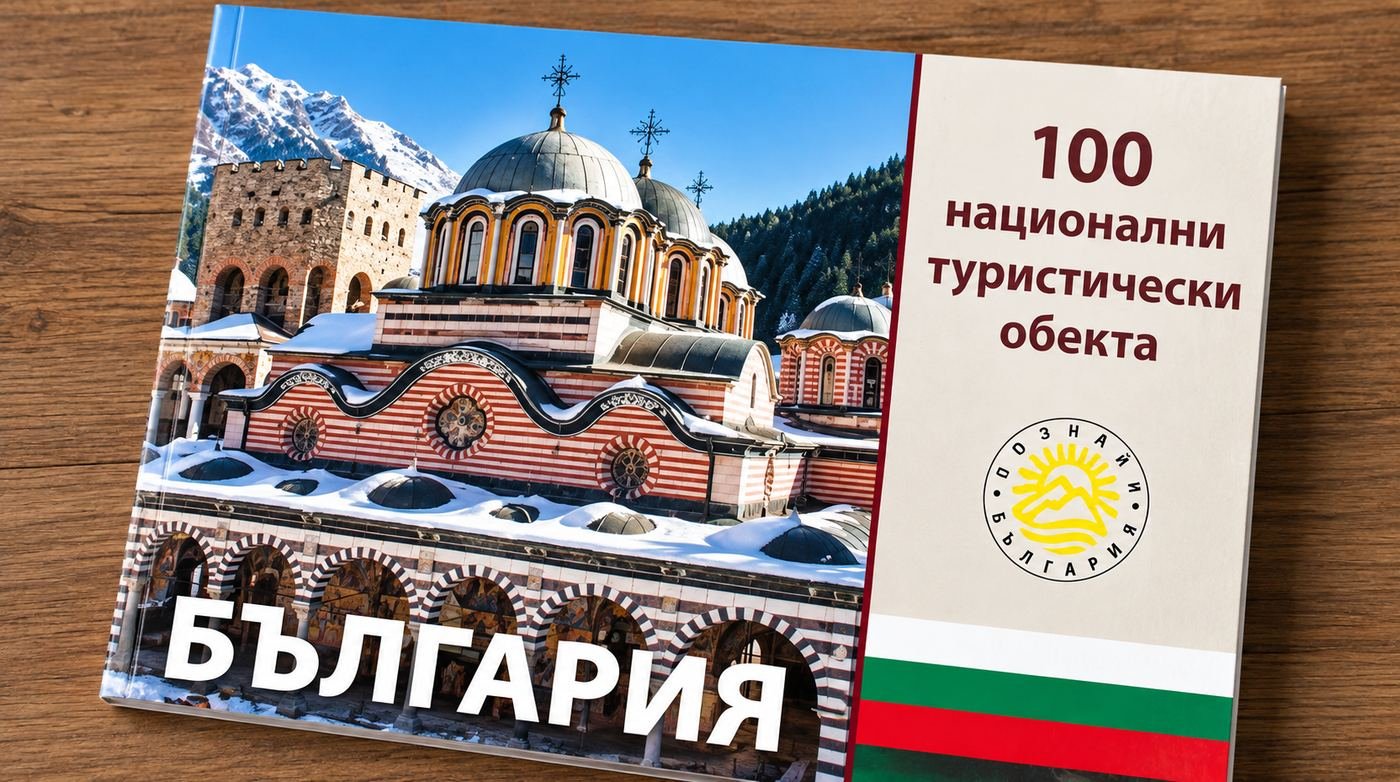
Bulgaria’s 100 National Tourist Sites are part of the national movement “Discover Bulgaria – 100 National Tourist Sites”. The initiative was created in 1966 to encourage travellers to discover the country’s most important cultural, historical and natural landmarks.
The programme covers every part of Bulgaria. Visitors can discover ancient cities, medieval fortresses, monasteries, museums, caves, mountains, historic towns and natural reserves.
The traditional tourist passport allows visitors to collect stamps from the sites they visit. Today, the movement also has a digital passport, making it easier to keep track of your travels.
Although the movement is called the “100 National Tourist Sites”, additional lettered entries have been added over the years. As a result, the programme now covers a much wider range of individual attractions.
For travellers, this creates an excellent way to discover Bulgaria beyond the country’s best-known cities.
History of the Movement:
The 100 National Tourist Sites movement began in 1966 on the initiative of the Bulgarian Tourist Union.
The original idea was simple. Travellers would visit selected landmarks, learn about their history and collect stamps in a special booklet.
Over the decades, the list developed and expanded. New attractions were added, while several numbered entries began to include more than one museum, monument or historical site.
The traditional passport remains an important part of the experience. At the same time, digital registration now allows visitors to collect electronic stamps during their journeys.
How the 100 National Tourist Sites Work:
Visitors can buy a tourist passport and collect an official stamp at participating attractions.
There are also three traditional achievement stages. Visitors who collect 25 stamps can receive a bronze badge, 50 stamps a silver badge and 100 stamps a gold badge.
However, you do not need to collect every stamp to enjoy the programme. The list is also a useful travel guide for discovering different regions and planning road trips around Bulgaria.
The 100 National Tourist Sites by Type
Historic Cities and Towns:
- Bansko – This mountain town combines traditional stone houses with the Velyanova House, Neofit Rilski House Museum, Nikola Vaptsarov Museum and the permanent icon exhibition of the Bansko School.
- Melnik – Bulgaria’s smallest town is famous for its historic houses, wine traditions and the Kordopulov House. The wider listing also connects the area with Rozhen Monastery.
- Malko Tarnovo – The town is a useful starting point for exploring Strandzha, with its Historical Museum and nearby Petrova Niva memorial site.
- Varna – Bulgaria’s largest coastal city offers several attractions within the movement, including the Archaeological Museum, Naval Museum, Roman Baths, Aladzha Monastery and Vladislav Varnechik Park-Museum.
- Veliko Tarnovo – The former medieval capital is represented by Tsarevets Fortress and the Regional History Museum, while nearby Nicopolis ad Istrum adds important Roman heritage.
- Svishtov – This Danube town is represented by the Aleko Konstantinov House Museum, dedicated to one of Bulgaria’s best-known writers.
- Belogradchik – The town provides access to the spectacular Belogradchik Rocks, the Kaleto Fortress and the local History Museum.
- Vratsa – The regional centre combines Ledenika Cave with the Regional History Museum. Nearby Mezdra adds the archaeological complex of Kaleto.
- Gabrovo – Gabrovo brings together Etar Ethnographic Village, the Museum of Education, Uzana, the House of Humour and Satire and the Regional Historical Museum.
- Tryavna – Famous for woodcarving, icon painting and Revival architecture, Tryavna is represented by its specialised museum of woodcarving and ethnographic art.
- Dobrich – The attractions include the Yordan Yovkov Memorial House and the town’s Art Gallery, highlighting the region’s literary and artistic traditions.
- Kardzhali – The city’s entry combines the Regional History Museum with the monastery of St John the Precursor and the remarkable ancient complex of Perperikon.
- Kyustendil – Several museums and collections introduce visitors to the region’s history, art and heritage, including the Vladimir Dimitrov – Maystora Art Gallery.
- Blagoevgrad – The Regional History Museum and the Varosha Revival Quarter reveal the history and traditional architecture of southwestern Bulgaria.
- Lovech – The city’s attractions include the Vasil Levski Museum, Kakrina Inn and the Ethnographic Museum. The wider entry also covers several natural attractions around the region.
- Teteven – The local History Museum presents the town’s past and traditions and provides a useful introduction to the heritage of the surrounding Balkan Mountains.
- Berkovitsa – The town combines its Ethnographic Museum and Ivan Vazov House Museum with nearby Kom Peak.
- Pazardzhik – The city’s attractions include the Stanislav Dospevski House Museum, Regional History Museum and Cathedral of the Holy Mother of God.
- Panagyurishte – The area is closely linked with the April Uprising, especially through Oborishte and the Rayna Knyaginya House Museum.
- Batak – The Historical Museum preserves the history and heritage of a town strongly associated with the events of the April Uprising.
- Pleven – The Regional History Museum, St George the Conqueror Memorial Chapel Mausoleum and Pleven Panorama tell the story of the city and the Russo-Turkish War of 1877–1878.
- Plovdiv – One of Bulgaria’s oldest cities is represented by the Ancient Theatre, Historical Museum, Ethnographic Museum and Hindliyan House, together with several additional Roman and early Christian sites.
- Perushtitsa – The town’s History Museum presents its role in Bulgarian Revival history and the April Uprising.
- Sopot – The Ivan Vazov House Museum and the Women’s Metoch reflect the town’s literary and religious heritage.
- Karlovo – The National Museum of Vasil Levski is joined by the History Museum and the Old Karlovo architectural complex.
- Sandanski – The Episcopal Basilica and Archaeological Museum reveal the importance of the ancient city and the region’s early Christian heritage.
- Ruse – The Danube city is represented by the Pantheon of National Revival Heroes and Zahari Stoyanov House Museum, with several additional heritage sites in the surrounding area.
- Silistra – The city’s History Museum and Medzhidi Tabia fortress illustrate its long history on the Danube frontier.
- Tutrakan – The town preserves its river traditions through the Museum of Danube Fishing and Boat-Building, while the Military Cemetery recalls the First World War.
- Sliven – The city combines the Hadji Dimitar House Museum and National Museum of Textile Industry with several other museums and the Tuida archaeological fortress.
- Velingrad – The town’s History Museum explores the cultural heritage of one of Bulgaria’s best-known spa destinations.
- Kotel – Kotel combines the Pantheon of Georgi Rakovski and Museum of Kotel Revivalists with a Natural History Museum.
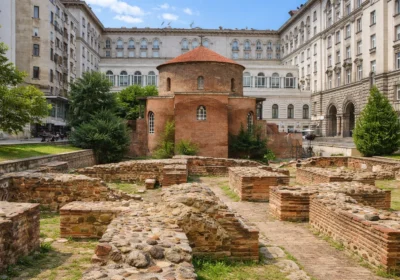
- Sofia – Bulgaria’s capital is represented by the National History Museum and Boyana Church, one of the country’s UNESCO World Heritage Sites.
- Elena – The town’s Daskalolivnitsa complex and Hilarion Makariopolski House Museum highlight its importance during the Bulgarian Revival.
- Sofia – The National Museum “Earth and Man” presents an outstanding collection of minerals, while the wider entry also includes the National Palace of Culture.
- Sofia – The National Art Gallery and ethnographic collections present Bulgarian painting, traditional culture and applied arts.
- Etropole – The History Museum, historic Clock Tower and Etropole Monastery combine local, architectural and religious heritage.
- Sofia – The Sofia Zoo, founded in 1888, is one of the capital’s long-established public attractions.
- Sofia – The National Museum of Natural History presents extensive collections of animals, plants, minerals and fossils.
- Sofia – The Museum of Physical Culture and Sport explores Bulgaria’s sporting history. The wider entry also includes the National Anthropological Museum.
- Sofia – The National Archaeological Institute with Museum presents important collections from prehistoric, Thracian, Roman and medieval Bulgaria. The National Polytechnic Museum is also included in the wider listing.
- Bratsigovo – The local History Museum introduces visitors to the town’s traditions, crafts and historic role in Bulgarian architecture.
- Chirpan – The town is connected with poet Peyo Yavorov and artist Nikola Manev, while nearby Zlatna Livada adds an important monastery.
- Dimitrovgrad – The History Museum and Penyo Penov House Museum reveal the town’s modern development, while the Giordano Bruno Observatory adds a scientific attraction.
- Nova Zagora – The History Museum near Karanovo presents archaeological discoveries from one of the most important prehistoric settlements in Bulgaria.
- Klisura – The town’s History Museum preserves its connection with the April Uprising and the Bulgarian Revival.
- Samokov – The History Museum and Samokov Nunnery reflect the town’s religious, artistic and cultural heritage.
- Targovishte – The town combines the Slaveykov School with the nearby Misionis fortress, while the wider listing also includes the History Museum in Popovo.
- Smolyan – The Regional History Museum, Planetarium and the historic church in Momchilovtsi reveal different aspects of the Rhodope region.
- Stara Zagora – The Regional History Museum, Neolithic Dwellings Museum and Defenders of Stara Zagora Memorial Complex cover the city’s long history.
- Kazanlak – The city combines the Thracian Tomb of Kazanlak, a UNESCO World Heritage Site, with the Chudomir Literary and Art Museum.
- Shumen – Shumen’s entry includes the Regional History Museum, Shumen Fortress and the Memorial Complex “Founders of the Bulgarian State”. Biserna Cave is also part of the wider listing.
- Pliska – The former capital of the First Bulgarian Empire is preserved as a major archaeological reserve, including the impressive Great Basilica.
- Veliki Preslav – The second capital of the First Bulgarian Empire preserves palaces, churches and other archaeological remains.
- Yambol – The entry combines the ancient city of Kabyle with the Regional History Museum. The wider listing also includes the Yambol Bezisten and Museum of Battle Glory.
- Elhovo – The Ethnographic Museum presents traditional life, crafts and material culture from southeastern Bulgaria.
Historic Villages and Architectural Reserves:
- Dobarsko – The village is known for the Church of Saints Theodore Tyron and Theodore Stratelates, built in 1614 and famous for its remarkable frescoes.
- Bozhentsi – This beautifully preserved architectural reserve offers stone houses, cobbled lanes and a strong sense of Bulgarian Revival village life.
- Zheravna – One of Bulgaria’s best-preserved historic villages, Zheravna is filled with wooden houses and traditional streets. The Yordan Yovkov House Museum adds literary history.
- Koprivshtitsa – This famous Revival town preserves colourful houses, historic streets and museums connected with the struggle for Bulgarian independence.
- Shiroka Laka – Deep in the Rhodopes, the village is known for stone houses, bridges, narrow streets and traditional Rhodope architecture.
Ancient, Thracian and Roman Sites:
- Petrich – The wider entry combines Rupite and the Church of Saint Petka with Samuil’s Fortress and the ancient city of Heraclea Sintica.
- Nessebar – The Archaeological Museum introduces visitors to the long history of the ancient Black Sea town, a UNESCO World Heritage Site.
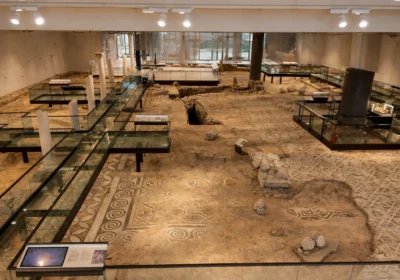
- Devnya – The Museum of Mosaics protects impressive Roman mosaics discovered at the ancient city of Marcianopolis.
- Perperikon – This enormous archaeological complex in the Eastern Rhodopes reveals layers of Thracian, Roman, medieval and later history.
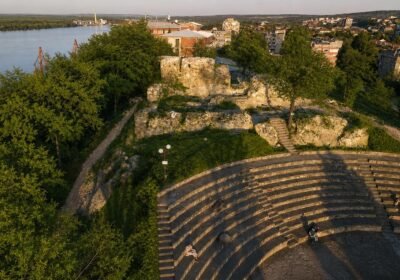
- Plovdiv – The Ancient Theatre, Roman Stadium and several early Christian buildings reveal the importance of ancient Philippopolis.
- Abritus – Near Razgrad, this archaeological reserve preserves important remains of the Roman city of Abritus.
- Isperih – The Sborianovo archaeological reserve combines the ancient Thracian city of Helis, Demir Baba Teke and other important archaeological remains.
- Starosel – The Thracian complex near the village includes monumental tombs and evidence of a major ancient religious centre.
- Haskovo and the Eastern Rhodopes – The wider entry includes the Thracian Tomb of Aleksandrovo, Mezek’s Thracian tomb and Villa Armira.
- Stara Zagora – The Neolithic Dwellings Museum preserves one of the most important prehistoric sites in Bulgaria.
- Kazanlak – The Thracian Tomb of Kazanlak is famous for its exceptionally preserved frescoes and is part of Bulgaria’s UNESCO World Heritage heritage.
- Madara – The Madara Rider is an early medieval rock relief and a UNESCO World Heritage Site located near Shumen.
- Yambol – Ancient Kabyle was one of the most important ancient settlements in southeastern Bulgaria, with archaeological remains stretching across a large area.
Medieval Fortresses and Archaeological Sites:
- Vidin – Baba Vida is one of Bulgaria’s best-preserved medieval fortresses and stands directly beside the Danube.
- Belogradchik – The Belogradchik Rocks and Kaleto Fortress combine spectacular natural rock formations with a historic fortress built between them.
- Mezdra – The Kaleto Archaeological Complex preserves remains from several periods, including the prehistoric, Roman and medieval eras.
- Peshtera – The Peristera Fortress stands on a hill above the town and contains remains from the Late Antique and medieval periods. The same entry also includes Snezhanka Cave.
- Asenovgrad – Asen’s Fortress is a dramatic medieval stronghold overlooking the road to Bachkovo Monastery.
- Sliven – The ancient fortress of Tuida sits on a hill above the city and reveals the area’s Late Antique and medieval history.
- Mezek – The medieval fortress near the Greek border is one of the best-preserved medieval fortresses in southern Bulgaria.
- Misionis – Near Targovishte, the ruins of Misionis reveal the remains of an important medieval settlement.
- Pliska – Beyond the Great Basilica, the archaeological reserve contains monumental remains of the first Bulgarian capital.
- Veliki Preslav – The archaeological reserve preserves the remains of Bulgaria’s second capital and its impressive medieval palace complex.
Monasteries and Churches:
- Dryanovo – Dryanovo Monastery is one of the region’s best-known religious landmarks, while nearby Bacho Kiro Cave adds prehistoric heritage. The Kolyo Ficheto Museum completes the local story.
- Rila Monastery – Bulgaria’s most famous monastery is a UNESCO World Heritage Site and an outstanding example of Orthodox religious and artistic heritage.
- Troyan Monastery – The monastery is famous for its church, valuable icons and the miraculous icon of the Virgin Mary. Nearby museums add a cultural side to the visit.
- Sopot – The Women’s Metoch complements the Ivan Vazov House Museum and reflects the town’s religious traditions.
- Basarbovo – The Rock-Hewn Monastery of Saint Dimitar Basarbovski is a unique religious site carved into the cliffs near Ruse.
- Sofia – Alexander Nevsky Cathedral is one of the most recognisable Orthodox churches in Bulgaria and a major landmark of the capital.
- Etropole – The Holy Trinity Monastery adds a peaceful religious site to the town’s historical attractions.
- Chiprovtsi – The town’s History Museum and nearby Chiprovtsi Monastery reflect a long tradition of Catholic and Orthodox religious heritage in the region.
- Zlatna Livada – St Athanasius Monastery is traditionally regarded as one of the oldest monasteries in Europe and remains an important local pilgrimage site.
- Seven Thrones Monastery – Hidden in the Iskar Gorge, the monastery is famous for its unusual church interior and peaceful mountain setting.
- Shipka – The Memorial Church of the Nativity of Christ is known for its golden domes and rich interior decoration and commemorates the war dead.
- Tombul Mosque – Shumen’s Tombul Mosque, also known as the Sherif Halil Pasha Mosque, is one of Bulgaria’s most important Ottoman religious monuments.
Monuments and Memorial Sites:
- Okolchitsa Peak – A monument marks the place associated with the final battle of Hristo Botev’s detachment in 1876.
- Kozloduy – The Radetsky National Museum recalls the revolutionary crossing of the Danube in 1876, while the nearby monument honours Hristo Botev and his detachment.
- Pleven – The Pleven Panorama is one of Bulgaria’s best-known memorial attractions and presents the events of the Siege of Pleven during the Russo-Turkish War.
- Ruse – The Pantheon of National Revival Heroes commemorates important figures from Bulgaria’s national and cultural revival.
- Skravena – The memorial and ossuary dedicated to Botev’s fallen supporters commemorates members of his detachment. Nearby Botevgrad adds a History Museum and Clock Tower.
- Stara Zagora – The Defenders of Stara Zagora Memorial Complex commemorates the defence of the city during the Russo-Turkish War.
- Shipka Peak – The Shipka National Park-Museum and Monument of Liberty commemorate the decisive battles fought here in 1877–1878.
Caves, Mountains and Natural Attractions:
- Vihren Peak – At 2,914 metres, Vihren is the highest summit in the Pirin Mountains and one of Bulgaria’s most spectacular hiking destinations.
- Poda – The Poda Protected Area near Burgas is one of Bulgaria’s most important birdwatching sites, with rich wetlands and coastal habitats.
- Magura Cave – One of Bulgaria’s most famous caves, Magura is known for its huge galleries and prehistoric rock art.
- Balchik – The Palace and Botanical Garden combine landscaped gardens, coastal scenery and an impressive historic residence overlooking the Black Sea.
- Seven Rila Lakes – These glacial lakes are surrounded by dramatic mountain scenery and form one of Bulgaria’s most famous hiking areas.
- Saeva Dupka Cave – This cave near Brestnitsa is known for its impressive chambers, stalactites and stalagmites.
- Kom Peak – Rising above Berkovitsa, Kom is an important mountain destination in the western Balkan Mountains.
- Erma River Gorge – The narrow limestone gorge near Tran offers dramatic scenery and pleasant walking routes.
- Raysko Praskalo and Botev Peak – Bulgaria’s highest waterfall lies below Botev Peak and forms one of the country’s most impressive mountain landscapes.
- Srebarna Nature Reserve – This important wetland beside the Danube is famous for its birdlife and is a UNESCO World Heritage Site.
- Aleko Hut and Cherni Vrah – The mountain hut provides access to Vitosha, while nearby Cherni Vrah is the highest point of the mountain.
- Musala Peak – At 2,925 metres, Musala is the highest mountain summit in Bulgaria and the entire Balkan Peninsula.
- Uhlovitsa Cave – Located in the Rhodopes, Uhlovitsa is known for unusual formations and a striking series of underground chambers.
- Golyam Perelik and the Western Rhodopes – The highest peak in the Rhodopes is combined with the Wonderful Bridges, the Museum of Rhodope Karst and Rozhen Observatory.
- Trigrad Gorge – Towering limestone cliffs surround the road through the gorge, while the nearby Devil’s Throat Cave adds an underground attraction.
- Buynovsko Gorge and Yagodina Cave – One of the most scenic areas in the Rhodopes, combining a dramatic gorge with one of Bulgaria’s best-known show caves.
Coastal and Danube Heritage:
- Nessebar – The ancient town rises from a rocky peninsula on the Black Sea and preserves a remarkable collection of historic churches and archaeological remains.
- Burgas – Poda protects an important wetland environment at the meeting point of inland waters and the Black Sea.
- Strandzha – Malko Tarnovo and Petrova Niva provide access to the historic and natural heritage of the Strandzha Mountains, close to the southern coast.
- Varna – The city combines maritime history, Roman remains, archaeology and coastal attractions, making it one of Bulgaria’s richest seaside destinations.
- Kozloduy – Located on the Danube, Kozloduy connects river scenery with important revolutionary history.
- Dobrich – Although inland, Dobrich serves as an important starting point for exploring the northern Black Sea region and its cultural heritage.
- Balchik and Kaliakra – The Palace, Botanical Garden and Kaliakra area combine coastal landscapes with historic and archaeological heritage.
- Silistra – The city occupies an important position on the Danube and preserves centuries of military, commercial and cultural history.
- Tutrakan – Fishing traditions, boat-building and wartime heritage all form part of the town’s strong connection with the Danube.
Why Visit Bulgaria’s 100 National Tourist Sites?
The great strength of the programme is its variety. But visiting all sites will take you months!
One journey can take you from Roman mosaics and Thracian tombs to medieval fortresses and Bulgarian Revival towns.
Meanwhile, Bulgaria’s mountains offer another side of the country. Vihren, Musala, the Seven Rila Lakes and the Rhodopes provide spectacular landscapes for walkers and nature lovers.
Religious heritage is equally important. Rila Monastery, Troyan Monastery, Dryanovo Monastery, Bachkovo Monastery and historic churches across the country reveal centuries of Bulgarian spiritual and artistic traditions.
At the same time, museums and literary houses introduce visitors to the people, traditions and cultural movements that shaped modern Bulgaria.
Planning a Trip Around the 100 Sites:
Trying to visit all the sites in one journey would involve a great deal of driving. Instead, it is more practical to explore Bulgaria region by region.
Central Bulgaria offers Veliko Tarnovo, Gabrovo, Dryanovo, Tryavna, Kazanlak and Shipka. Northeastern Bulgaria connects Shumen, Madara, Pliska, Veliki Preslav and Ruse.
The Rhodopes provide a different experience, with caves, monasteries, traditional villages and mountain scenery. Meanwhile, the Black Sea coast offers ancient towns, archaeological sites and natural reserves.
The traditional passport can also become a lasting souvenir. Each stamp provides a small record of your journey through Bulgaria.
Quick Travel Information:
The 100 National Tourist Sites are spread across Bulgaria, so distances and travel times vary greatly.
The easiest approach is to choose one region and combine several nearby attractions. This allows more time for sightseeing and less time on the road.
Some sites are easy to reach by car, while mountain peaks, caves and remote archaeological locations require more planning.
Opening hours can also vary between museums, caves, monasteries and seasonal attractions. Therefore, check the latest visitor information before travelling.
Useful Links:
• Google Maps – Bulgaria
• Official Website – Bulgarian Tourist Union
• Official Information – Bulgarian Ministry of Tourism
• Weather Forecast – Bulgaria