Regional Archaeological Museum – Plovdiv | A Journey Through Ancient History
Location: Plovdiv, Bulgaria
Type: Archaeological Museum / Cultural Heritage / Ancient and Medieval History
Main Facts:
The Regional Archaeological Museum in Plovdiv is one of Bulgaria’s oldest cultural institutions. It officially opened in 1882 and became a dedicated archaeological museum in 1920.
Located on Saedinenie Square in the city centre, the museum presents the long history of Plovdiv and the surrounding region. Its collections cover thousands of years, from prehistoric settlements to the medieval period.
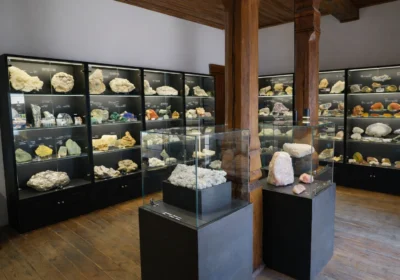
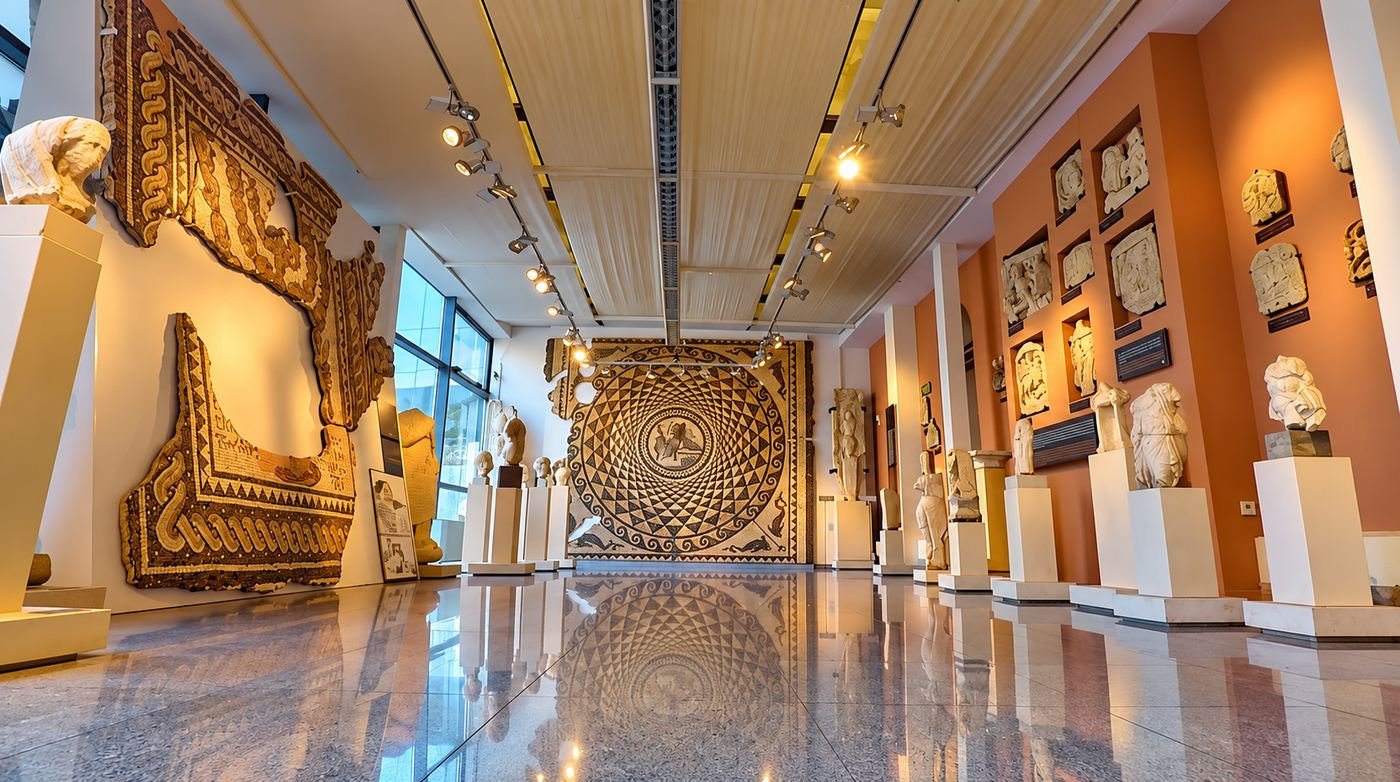
The permanent exhibition includes prehistoric objects, Thracian treasures, Roman mosaics, sculptures, religious artefacts and coins. In addition, the museum regularly hosts temporary exhibitions focusing on new archaeological discoveries and historical themes.
History of the Museum:
The museum began as an archaeological and numismatic collection in the late 19th century. As archaeological research in Plovdiv developed, the collection expanded and eventually became an independent archaeological museum.
Plovdiv itself was one of the most important cities of the ancient Balkans. Known in antiquity as Philippopolis, the city developed into a major centre under Thracian, Macedonian and Roman rule.
Consequently, archaeological discoveries from the city and surrounding region form the heart of the museum’s collections.
Over time, the museum became an important centre for the study and preservation of Thracian, Roman, early Christian and medieval heritage.
What to See:
Prehistoric Collections
The earliest collections introduce visitors to the prehistoric communities that lived in the Plovdiv region. The permanent exhibition includes material from the Neolithic and Chalcolithic periods.
These objects offer an insight into early settlements, everyday life, religion and craftsmanship.
Thracian Treasures
Thracian archaeology is one of the museum’s major strengths. Visitors can see jewellery, weapons, vessels, burial objects and other artefacts connected with ancient Thracian society.
The museum’s collections include finds from important archaeological sites and rich aristocratic burials in the region.
Roman Philippopolis
Another major part of the museum explores Roman Plovdiv. The collections include sculptures, inscriptions, coins, lamps, mosaics and religious objects from the Roman and Late Antique periods.
The material helps explain how Philippopolis developed into one of the most important cities in the Roman Balkans.
Medieval Plovdiv
The museum also presents the city’s history during the Middle Ages. Visitors can discover religious objects, ceramics, coins and other finds from the Byzantine and medieval Bulgarian periods.
This section helps connect the archaeological remains of Plovdiv with the city’s later development.
Numismatic Collection
The museum has one of Bulgaria’s richest numismatic collections. It contains coins dating from antiquity through the medieval period and into later centuries.
For anyone interested in ancient rulers, trade and everyday life, the coin collection adds another perspective to Plovdiv’s history.
Early Christian Tomb
One of the museum’s notable features is the early Christian tomb from the 4th century. The tomb is presented in its original archaeological context and contains colourful wall paintings.
It provides an excellent example of the religious and artistic traditions that developed in Late Antique Philippopolis.
Historical Importance:
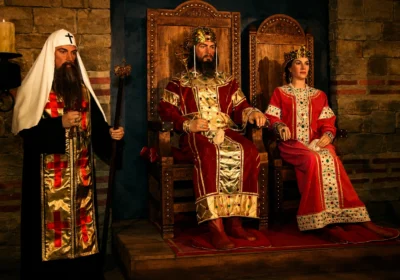
The Regional Archaeological Museum is particularly important because it brings together archaeological evidence from the different civilizations that shaped Plovdiv.
Thracian, Roman, Byzantine, medieval Bulgarian and later traditions can all be explored within the museum. As a result, visitors gain a clearer understanding of why Plovdiv is considered one of Europe’s oldest continuously inhabited cities.
The museum is also closely connected with archaeological sites around the city. Its work includes research, conservation and the interpretation of sites such as Nebet Tepe, the Roman Stadium, the Ancient Theatre and the Roman Forum.
Best Time to Visit:
The museum can be visited throughout the year, making it a useful option during hot summer afternoons or rainy days.
Allow around 1–2 hours for the permanent exhibition. However, visitors with a strong interest in archaeology may want to stay longer.
Summer mornings can be combined with outdoor sightseeing, followed by the museum during the warmer part of the day. In winter, it provides an excellent indoor stop while exploring central Plovdiv.
What to Visit Nearby:
The museum is surrounded by several important Plovdiv attractions:
• Dzhumaya Mosque
• Roman Stadium
• Kapana Creative District
• Plovdiv Old Town
• Ancient Theatre of Philippopolis
• Hisar Kapia
• Nebet Tepe
• Roman Forum
• Bishop’s Basilica of Philippopolis
Quick Travel Information:
The Regional Archaeological Museum is at 1 Saedinenie Square in central Plovdiv, close to the pedestrian area and the main historic sights.
Plovdiv is approximately 210 km from Veliko Tarnovo, around 2 hours and 45 minutes by car. Therefore, the museum can easily be included in a full-day Plovdiv trip from Veliko Tarnovo.
Allow around 1–2 hours for the museum, then continue on foot towards the Roman Stadium, Kapana and Old Town.
The museum currently publishes opening hours of Tuesday to Sunday, 10:00–18:00, with Monday closed. The ticket desk closes 30 minutes before the museum. Check the latest schedule before travelling, as seasonal arrangements can change.
Useful Links:
• Google Maps – Regional Archaeological Museum – Plovdiv
• Official Website – Regional Archaeological Museum – Plovdiv
• Weather Forecast – Plovdiv
Related Tours including the Archaeological Museum – Plovdiv: