Srebarna Nature Reserve: Bulgaria’s UNESCO Wetland Sanctuary
Location: Srebarna Village, Silistra Province, Northeastern Bulgaria
Type: UNESCO World Heritage Site / Nature Reserve / Wetland
Main Facts:
Srebarna Nature Reserve is one of Bulgaria’s most important wildlife habitats and one of the country’s most valuable UNESCO World Heritage Sites. Situated on the southern bank of the Danube River near the village of Srebarna, this remarkable wetland is renowned for its rich biodiversity, rare bird species, and peaceful natural landscapes. Furthermore, it is one of Europe’s most significant freshwater wetlands and a paradise for birdwatchers and nature lovers.
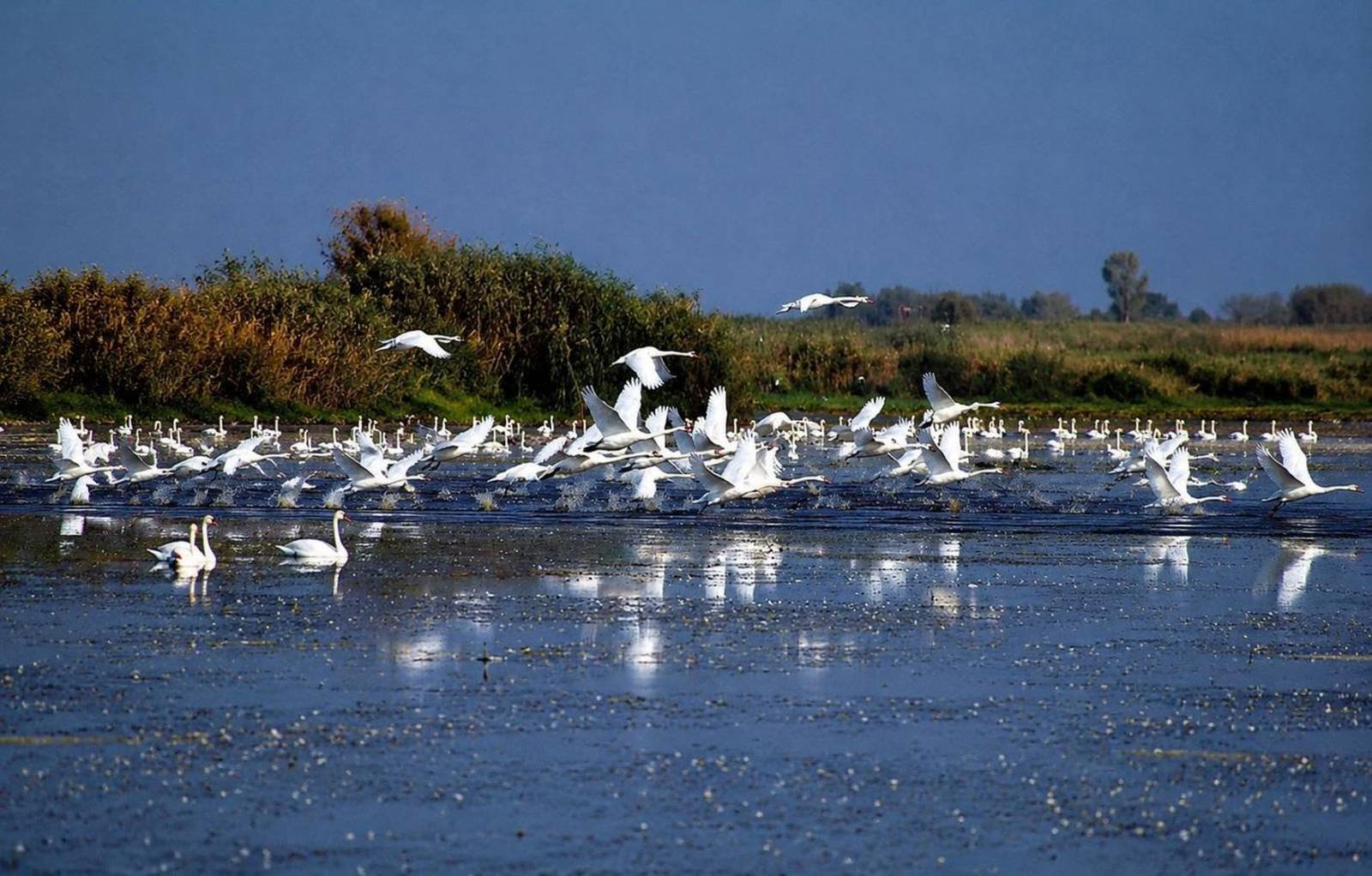
Established as a protected reserve in 1948, Srebarna covers approximately 600 hectares of lakes, marshes, and reed beds. As a result, it provides an ideal habitat for more than 180 bird species and numerous mammals, reptiles, amphibians, and fish. Moreover, the reserve plays a vital role in protecting migratory birds travelling along the Via Pontica flyway.
One of the reserve’s greatest attractions is its breeding colony of Dalmatian pelicans, one of the largest in Europe. In addition, visitors may spot herons, cormorants, spoonbills, white-tailed eagles, and many other protected species throughout the year. Consequently, Srebarna Nature Reserve has become one of Bulgaria’s premier destinations for wildlife observation and nature photography.
Today, visitors can explore the reserve from designated walking paths and observation points while learning about its unique ecosystems at the nearby Natural History Museum. Meanwhile, the tranquil surroundings offer a welcome escape into one of Bulgaria’s most spectacular natural environments. Whether you enjoy birdwatching, photography, or peaceful walks in nature, Srebarna Nature Reserve provides a truly memorable experience.
Historical Importance:
Srebarna Nature Reserve protects one of Europe’s most valuable freshwater wetland ecosystems and plays a crucial role in conserving rare and endangered wildlife. More importantly, it provides an essential breeding and resting area for numerous bird species migrating between Europe, Asia, and Africa.
Furthermore, the reserve supports internationally important populations of Dalmatian pelicans and many other protected waterbirds. As a result, scientists continue to study its habitats and biodiversity to improve conservation efforts throughout the region.
UNESCO recognised the reserve’s outstanding universal value and added Srebarna Nature Reserve to the World Heritage List in 1983. Since then, the site has become an international symbol of wetland conservation and sustainable environmental management. Today, it remains one of Bulgaria’s greatest natural treasures and attracts visitors from around the world.
What to See:
- UNESCO World Heritage Site
- Srebarna Lake
- Dalmatian Pelican Colony
- Bird Observation Platforms
- Reed Beds and Wetlands
- Natural History Museum
- Walking Trails
- Rare Bird Species
- Danube River Landscapes
Best Time to Visit:
Srebarna Nature Reserve welcomes visitors throughout the year. However, spring and early summer provide the best opportunities to observe nesting birds and vibrant wildlife.
Furthermore, autumn is an excellent season for watching migratory birds as thousands pass through the reserve. In addition, the pleasant temperatures make walking along the observation trails more enjoyable. During summer, visiting early in the morning offers the best chance of spotting wildlife before the heat of the day. Meanwhile, winter provides peaceful scenery and opportunities to observe overwintering bird species. Therefore, every season offers a unique perspective on this remarkable UNESCO World Heritage Site.
What to Visit Nearby:
- Srebarna Natural History Museum
- Danube River
- Silistra
- Silistra Fortress
- Medzhidi Tabia Fortress
- Danube Park, Silistra
- Biosphere Reserve Visitor Centre
Quick Travel Information:
Srebarna Nature Reserve is located approximately 18 kilometres west of Silistra and around 120 kilometres from Ruse. The reserve is easily reached by car, and parking is available near the visitor centre.
Furthermore, several observation platforms and walking paths allow visitors to explore the reserve without disturbing the wildlife. Therefore, binoculars and a camera are highly recommended for the best experience. In addition, comfortable footwear and suitable clothing will help you enjoy the walking trails. Consequently, most visitors spend between two and three hours exploring the reserve and its visitor facilities.
Useful Links: