Seven Rila Lakes – Bulgaria’s Famous Mountain Lakes
Location: Rila Mountains, Southwestern Bulgaria
Type: Natural Landmark / Mountain Lakes / Hiking Destination
Main Facts:
The Seven Rila Lakes are among the most famous natural attractions in Bulgaria. They lie high in the Rila Mountains in southwestern Bulgaria. Every year, thousands of visitors come to enjoy the fresh air and stunning views.
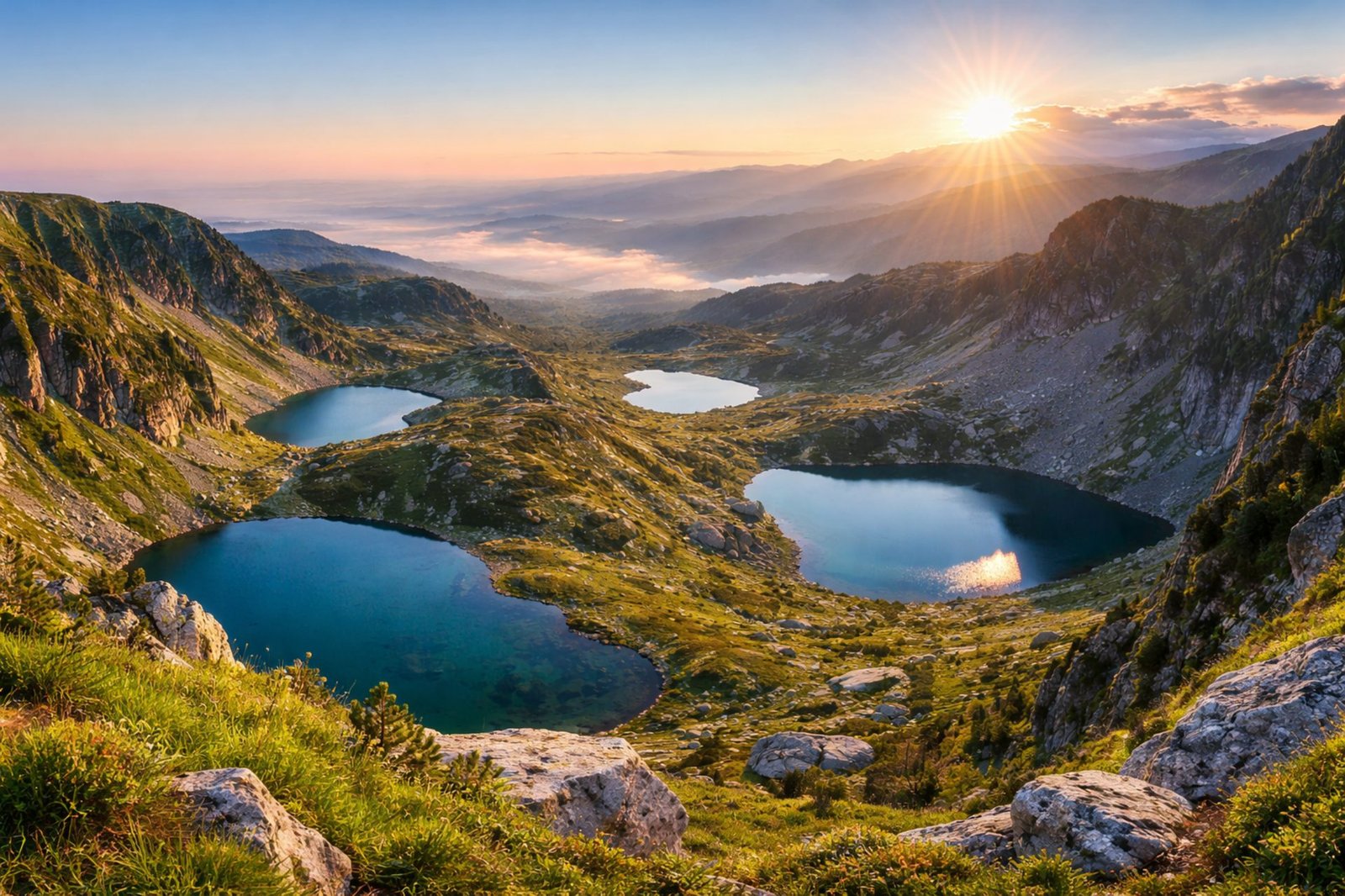
The group includes seven glacial lakes at different altitudes. Each lake has its own shape and name. Together, they create one of the most beautiful landscapes in the country.
The lakes are called The Tear, The Eye, The Kidney, The Twin, The Trefoil, Fish Lake, and The Lower Lake.
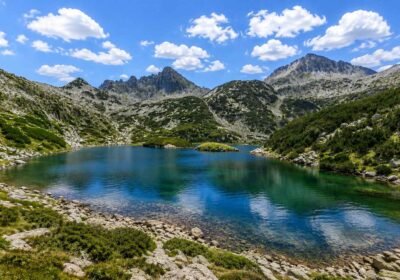
Glaciers formed the lakes during the Ice Age. Today, green meadows, rocky peaks, and mountain trails surround them. As a result, the area has become a leading hiking destination in Bulgaria.
Visitors admire the clear water and spectacular scenery. In addition, photographers visit throughout the year to capture the changing landscape.
The Tear is the highest lake and is famous for its crystal-clear water. Meanwhile, The Eye is the deepest lake in the group. The Kidney, on the other hand, is known for its unusual shape.
Most visitors start from Panichishte or Rila Lakes Hut. From there, marked trails lead to the lakes. Therefore, the area is suitable for both experienced hikers and casual walkers.
Furthermore, the region offers excellent opportunities for nature photography and outdoor recreation. Because of this, it remains one of Bulgaria’s most visited mountain destinations.
Historical Importance:
The Seven Rila Lakes hold an important place in Bulgarian tourism and mountain culture. For decades, hikers and travellers have explored this beautiful region.
In addition to their natural beauty, the lakes also have spiritual significance. Every summer, members of the White Brotherhood gather near the lakes. There, they perform traditional dances and spiritual rituals. Consequently, the destination attracts both nature lovers and spiritual visitors.
The lakes form part of Rila National Park. This protected area preserves forests, wildlife, mountain habitats, and rare plant species. Moreover, conservation projects help protect the region for future generations.
Over the years, the area has become one of Bulgaria’s best-known natural landmarks. As a result, it plays an important role in eco-tourism and outdoor recreation.
Today, visitors travel from around the world to see the lakes. At the same time, the destination remains one of the most photographed places in Bulgaria.
What to See:
- Seven Glacial Lakes
- Panoramic Mountain Views
- Scenic Hiking Trails
- Rila National Park
- Crystal-Clear Waters
- Alpine Landscapes
- Mountain Wildlife
- Photography Spots
Best Time to Visit:
Summer and early autumn are the best times to visit the Seven Rila Lakes. During these months, the trails are usually easier to access.
In addition, weather conditions are generally ideal for hiking and sightseeing. Furthermore, longer daylight hours allow visitors to spend more time exploring the area.
During summer, the mountain landscapes are at their most vibrant. Meanwhile, early autumn brings cooler temperatures and beautiful colours.
As a result, both seasons are popular with hikers and photographers. Therefore, many travellers consider this the best period to experience the beauty of the Seven Rila Lakes.
What to Visit Nearby:
- Rila Mountains
- National Park – Rila
- Rila Monastery
- Panichishte Resort
- Sapareva Banya
- Skakavitsa Waterfall
- Musala Peak
- Borovets
Quick Travel Information:
The Seven Rila Lakes are located in the Rila Mountains of southwestern Bulgaria. Most visitors reach the area through Sapareva Banya or Panichishte. In addition, many travellers use the Panichishte chairlift to shorten the hike and enjoy scenic mountain views.
Trail difficulty varies depending on the route. Therefore, visitors should wear suitable mountain clothing and comfortable walking shoes. Furthermore, some paths can be steep and rocky.
Mountain weather can also change quickly. As a result, carrying water, sun protection, and an extra layer of clothing is highly recommended. Meanwhile, checking the weather forecast before setting out can help ensure a safer and more enjoyable visit.
Useful Links: