Sofia – Bulgaria’s Historic Capital City
Location: Sofia, Bulgaria
Type: Capital City / Historical Destination / Cultural Landmark
Main Facts:
Sofia is the capital and largest city of Bulgaria. The city lies at the foot of Vitosha Mountain in western Bulgaria. People have lived in the area for more than 7,000 years. As a result, Sofia ranks among the oldest cities in Europe.
Many civilisations shaped the city over the centuries. The Thracians settled here first. Later, the Romans, Byzantines, Ottomans, and Bulgarians left their mark. Therefore, Sofia offers a unique blend of history and modern life.
During Roman times, people called the city Serdica. It became an important centre for trade, administration, and defence. Today, Sofia serves as Bulgaria’s political, economic, educational, and cultural centre.
Visitors can explore ancient ruins, churches, museums, parks, and lively shopping streets. In addition, many landmarks stand within walking distance of each other. This makes the city easy to explore.
One of Sofia’s most famous landmarks is Alexander Nevsky Cathedral. It is one of the largest Eastern Orthodox cathedrals in the world. Its golden domes attract visitors throughout the year. Inside, guests can admire beautiful icons, marble decorations, and impressive architecture.
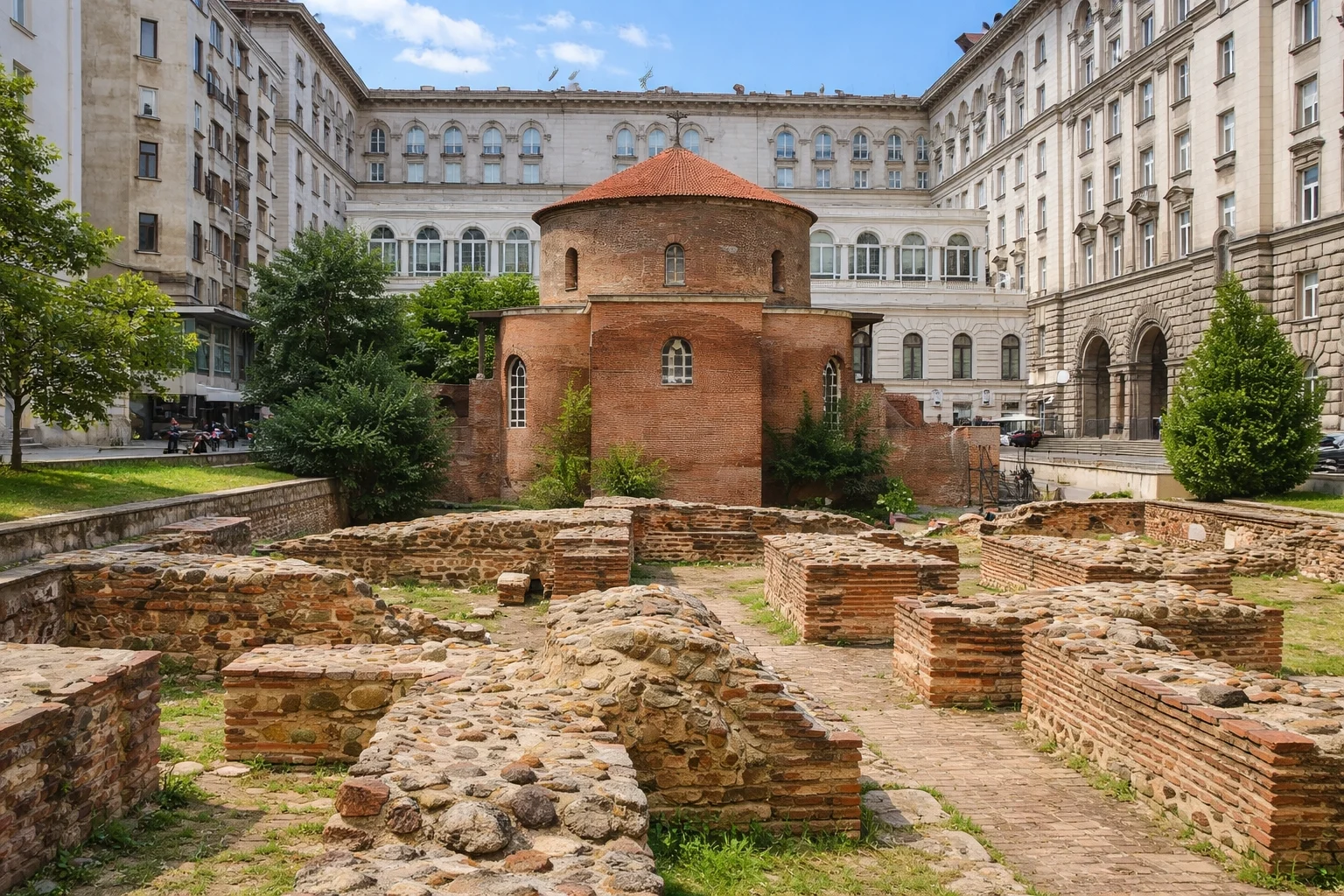
Nearby stands Saint Sofia Church. The church gave the city its modern name. Visitors can also see the ancient Roman ruins of Serdica beneath the modern city centre.
Sofia is famous for its mineral springs, public parks, theatres, and cultural institutions. Meanwhile, Vitosha Boulevard offers cafés, restaurants, shops, and nightlife. Just outside the city, Vitosha Mountain provides hiking trails, ski slopes, and panoramic views.
The city’s architecture reflects its long history. Roman ruins stand beside Ottoman mosques. Soviet monuments rise near modern buildings and government institutions. Consequently, Sofia offers one of the most diverse cityscapes in the Balkans.
Today, Sofia attracts tourists, business travellers, digital nomads, and history lovers. Moreover, the city combines culture, affordability, entertainment, and an authentic Bulgarian atmosphere.
Historical Importance:
Sofia has played an important role in southeastern Europe for thousands of years. The city began as a Thracian settlement. Later, the Romans developed it into the city of Serdica.
Under Roman rule, Serdica grew into an important administrative and military centre. Its location connected Europe and Asia. As a result, trade and commerce flourished.
Roman Emperor Constantine the Great reportedly admired the city. He is often linked to the famous phrase, “Serdica is my Rome.” This connection highlights the city’s importance during the Roman period.
During the Byzantine era, Sofia remained a key religious and commercial centre. Later, it became part of the medieval Bulgarian state. Throughout these periods, the city continued to grow and develop.
Ottoman forces captured Sofia in the 14th century. However, the city remained an important administrative centre. Different cultures and communities lived and worked here for centuries.
After Bulgaria regained independence in 1878, Sofia became the capital of the restored Bulgarian state. Consequently, the city entered a period of rapid growth. New government buildings, schools, theatres, and churches appeared across the city.
During the 20th century, Sofia experienced major political and social changes. Nevertheless, it preserved many landmarks from different historical periods. Today, visitors can still discover traces of Roman, Ottoman, and modern Bulgarian history throughout the city.
Sofia remains Bulgaria’s leading political, economic, and cultural centre. At the same time, museums, festivals, restoration projects, and archaeological sites help preserve its rich heritage for future generations.
What to See:
- Alexander Nevsky Cathedral
- Saint Sofia Church
- Ancient Serdica Ruins
- Vitosha Boulevard
- National Palace of Culture
- Ivan Vazov National Theatre
- Boyana Church
- Vitosha Mountain
Best Time to Visit:
The best time to visit Sofia is during spring and autumn when temperatures are pleasant for sightseeing and outdoor activities. Winter is also popular for visitors planning skiing trips to nearby Vitosha Mountain.
What to Visit Nearby:
- Vitosha Mountain
- Boyana Church
- Rila Monastery
- Plovdiv
- Seven Rila Lakes
- Bankya Mineral Springs
Quick Travel Information:
Sofia is easily accessible through Sofia International Airport, which offers connections to major European cities. The city has an extensive public transport system including metro, buses, and trams. Most central attractions can be explored on foot, especially around the historic centre and Vitosha Boulevard. Sofia also serves as the main transport hub for travelling throughout Bulgaria.
Useful Links:
Related Tours including Sofia:
Sofia and Boyana Day Tour from Veliko Tarnovo – Lunch Included
Want to see this place?
We would love to help you explore Bulgaria! Whether you're travelling with friends, family, or colleagues, we offer both group tours and tailor-made trips designed around your interests. Let us create the perfect Bulgarian experience for you.