Boyana Church – Bulgaria’s Famous Medieval Church
Location: Sofia, Bulgaria
Type: Medieval Church / UNESCO World Heritage Site / Historical Landmark
Main Facts:
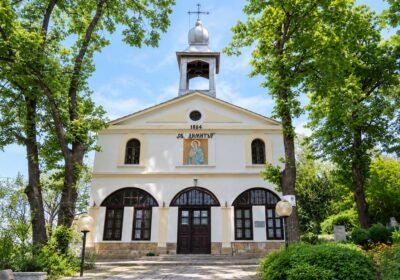
Boyana Church is one of the most famous medieval churches in Bulgaria. It stands near Sofia at the foot of Vitosha Mountain. As a result, it attracts visitors interested in history, art, and culture.
The church dates back to the 10th century. Later, builders expanded it during the 13th century. Consequently, the building now includes three sections from different historical periods.
Famous Frescoes:
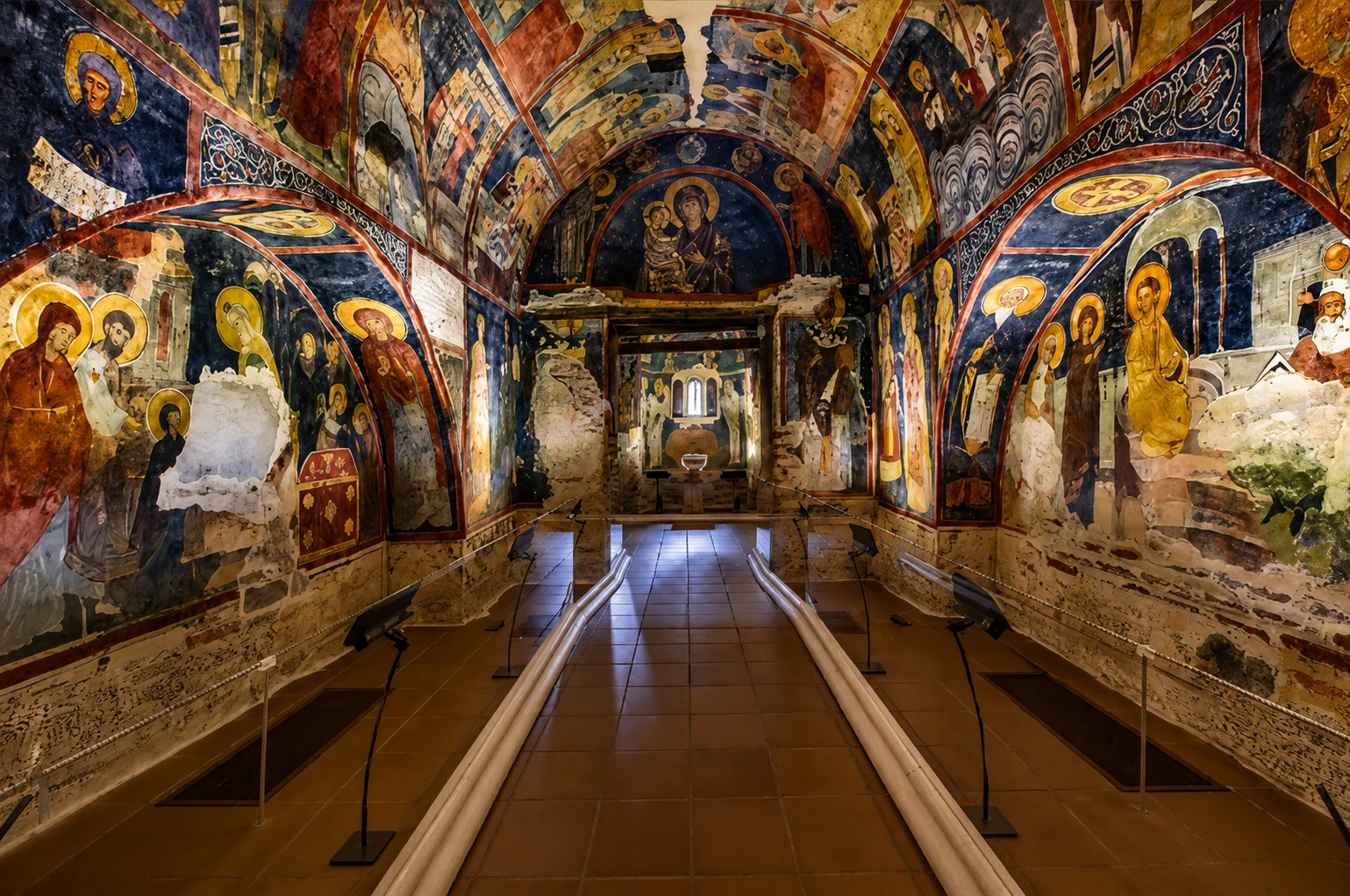
Boyana Church became world famous because of its frescoes painted in 1259. Today, art historians regard them as some of the finest examples of medieval European art.
Moreover, many experts believe these paintings appeared before similar Renaissance styles became common in Western Europe. Therefore, the frescoes hold exceptional artistic importance.
Inside the church, visitors can admire portraits of saints, rulers, nobles, and biblical scenes. In addition, the paintings display realistic emotions and facial expressions. As a result, they stand out from many other medieval artworks.
UNESCO World Heritage Site:
UNESCO added Boyana Church to the World Heritage List in 1979. Since then, it has become one of the most visited historical attractions near Sofia.
Furthermore, the church remains an important symbol of Bulgaria’s cultural heritage. Because of this, it attracts visitors from around the world each year.
Surroundings and Atmosphere:
The church is surrounded by trees and gardens. Therefore, the area offers a peaceful atmosphere away from the city centre.
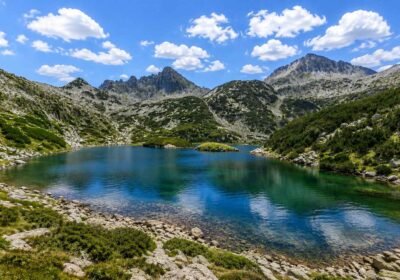
Many visitors also combine a visit to Boyana Church with a trip to nearby Vitosha Mountain. In addition, the surrounding Boyana district is known for its pleasant environment and scenic views.
Historical Importance:
Boyana Church played an important role in the development of medieval Orthodox art. In particular, its frescoes introduced realistic painting techniques rarely seen during the 13th century.
At the same time, the church reflected the cultural strength of the Second Bulgarian Empire. Wealthy Bulgarian nobles supported the church and financed the remarkable wall paintings.
The portraits inside provide valuable information about medieval society, religion, and clothing traditions. Furthermore, historians continue to study them because of their artistic and historical significance.
Over the centuries, the church survived wars, invasions, and political change. However, conservation experts later protected the frescoes and preserved much of the original artwork.
Today, Boyana Church remains one of the best-preserved medieval churches in Europe. As a result, it continues to attract historians, artists, photographers, and travellers interested in Bulgaria’s rich cultural heritage.
What to See:
- Medieval Frescoes from 1259
- UNESCO World Heritage Church
- Orthodox Religious Paintings
- Medieval Bulgarian Architecture
- Historical Portraits and Icons
- Stone Church Interior
- Peaceful Church Gardens
- Vitosha Mountain Surroundings
Best Time to Visit:
Spring and autumn are the best times to visit Boyana Church Bulgaria. During these seasons, temperatures are usually mild and comfortable.
In addition, the pleasant weather makes sightseeing more enjoyable. Furthermore, visitors can explore the church grounds and surrounding area at a relaxed pace.
Spring brings blooming gardens and fresh greenery. Meanwhile, autumn offers colourful scenery and cooler temperatures.
Many visitors also combine their trip with a visit to nearby Vitosha Mountain. Therefore, these seasons are ideal for both cultural tourism and outdoor activities.
Although the church welcomes visitors throughout the year, spring and autumn generally provide the most comfortable conditions for exploring one of Bulgaria’s most important UNESCO landmarks.
What to Visit Nearby:
- Sofia
- Vitosha Mountain
- Alexander Nevsky Cathedral
- National Palace of Culture
- Vitosha Boulevard
- Sofia Historical Museum
- Dragalevtsi Monastery
- Golden Bridges Vitosha
Quick Travel Information:
Boyana Church Bulgaria is located around 8 kilometres from central Sofia. Visitors can easily reach the church by car, taxi, or public transport. Entry tickets are required. Additionally, visitor numbers inside the church remain limited in order to protect the frescoes.
Useful Links:
Related Tours including Boyana Church – Sofia:
Sofia and Boyana Day Tour from Veliko Tarnovo – Lunch Included
Want to see this place?
We would love to help you explore Bulgaria! Whether you're travelling with friends, family, or colleagues, we offer both group tours and tailor-made trips designed around your interests. Let us create the perfect Bulgarian experience for you.