Kazanlak – Bulgaria’s Rose Valley Cultural City
Location: Kazanlak, Central Bulgaria
Type: Historical City / Cultural Destination / Rose Valley Landmark
Main Facts:
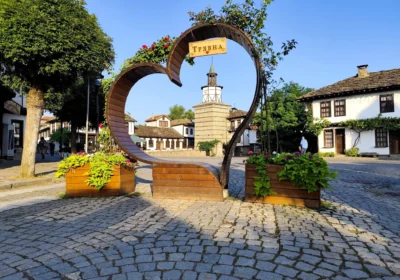
Kazanlak sits in the heart of the Rose Valley in central Bulgaria. The city is famous for rose oil production, Thracian heritage, and beautiful mountain scenery. In addition, it attracts visitors interested in history, culture, and Bulgarian traditions.
Furthermore, many people know Kazanlak as the “City of Roses.” Moreover, local producers create some of the world’s finest rose oil. As a result, international perfume and cosmetics companies value products from the region.
Every spring, thousands of roses bloom across the valley. As a result, the region becomes one of Bulgaria’s most colourful destinations. Consequently, the landscape becomes one of Bulgaria’s most photographed locations. During this period, visitors travel from around the world to enjoy the colourful scenery.
Rose Festival:
One of Bulgaria’s most important cultural events takes place in Kazanlak every year. Since 1903, the Rose Festival has celebrated the annual rose harvest.
Each year, locals organise parades, folk music performances, traditional dances, and rose-picking demonstrations. In addition, visitors can join rose-picking activities and cultural events. Furthermore, many guests experience traditional Bulgarian customs during the celebrations.
Thracian Heritage:
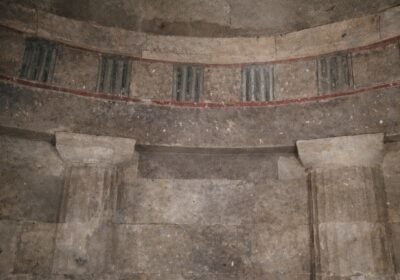
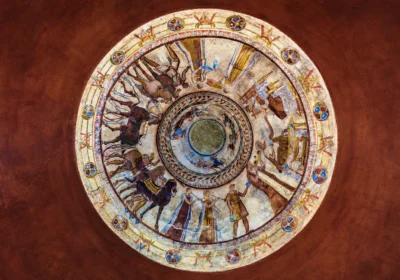
Besides its rose industry, Kazanlak is famous for its ancient history. For example, the city is home to the UNESCO-listed Thracian Tomb of Kazanlak.
Dating from the 4th century BC, the tomb contains remarkable frescoes. These paintings show Thracian rituals, beliefs, and daily life. As a result, the site attracts archaeologists and historians from around the world.
Moreover, the surrounding area forms part of the Valley of the Thracian Kings. Archaeologists have discovered royal tombs, burial mounds, and ancient treasures throughout the region.
In addition, important sites include Golyama Kosmatka Tomb, Ostrusha Thracian Tomb, Shushmanets Thracian Tomb, and the remains of Seuthopolis. Therefore, Kazanlak has become one of Bulgaria’s leading archaeological destinations.
Tourism in Kazanlak:
Meanwhile, visitors can explore museums, parks, restaurants, and cultural attractions. Moreover, the city offers a unique combination of history, nature, and local traditions.
Nearby landmarks such as Shipka Monument and Buzludzha Monument attract thousands of visitors each year. Consequently, Kazanlak serves as an excellent base for exploring central Bulgaria.
Historical Importance:
For centuries, the region around Kazanlak played an important role in central Bulgaria. Its location between the Balkan Mountains and Sredna Gora influenced trade, settlement, and cultural development.
Moreover, ancient Thracian tribes lived throughout the area long before the modern city emerged. Over time, the region became part of the powerful Odrysian Kingdom.
Archaeological discoveries revealed valuable information about Thracian culture and religion. In addition, experts consider the frescoes inside the Thracian Tomb of Kazanlak masterpieces of ancient art.
Furthermore, these discoveries attracted international attention. Consequently, Kazanlak gained recognition as one of Bulgaria’s most important archaeological regions.
Later, the city developed into a major centre for rose cultivation and trade. Meanwhile, local producers built a strong reputation for producing high-quality rose oil.
Later, nearby Shipka Pass became an important location during the Russo-Turkish War of 1877–1878. Therefore, the region became closely linked to Bulgaria’s liberation.
Nowadays, Kazanlak preserves its traditions while embracing modern tourism. At the same time, the city remains a symbol of Bulgaria’s rose industry, Thracian heritage, and cultural identity.
What to See:
- Thracian Tomb of Kazanlak
- Rose Museum
- Rose Valley
- Rose Festival
- Valley of the Thracian Kings
- Shipka Memorial Church
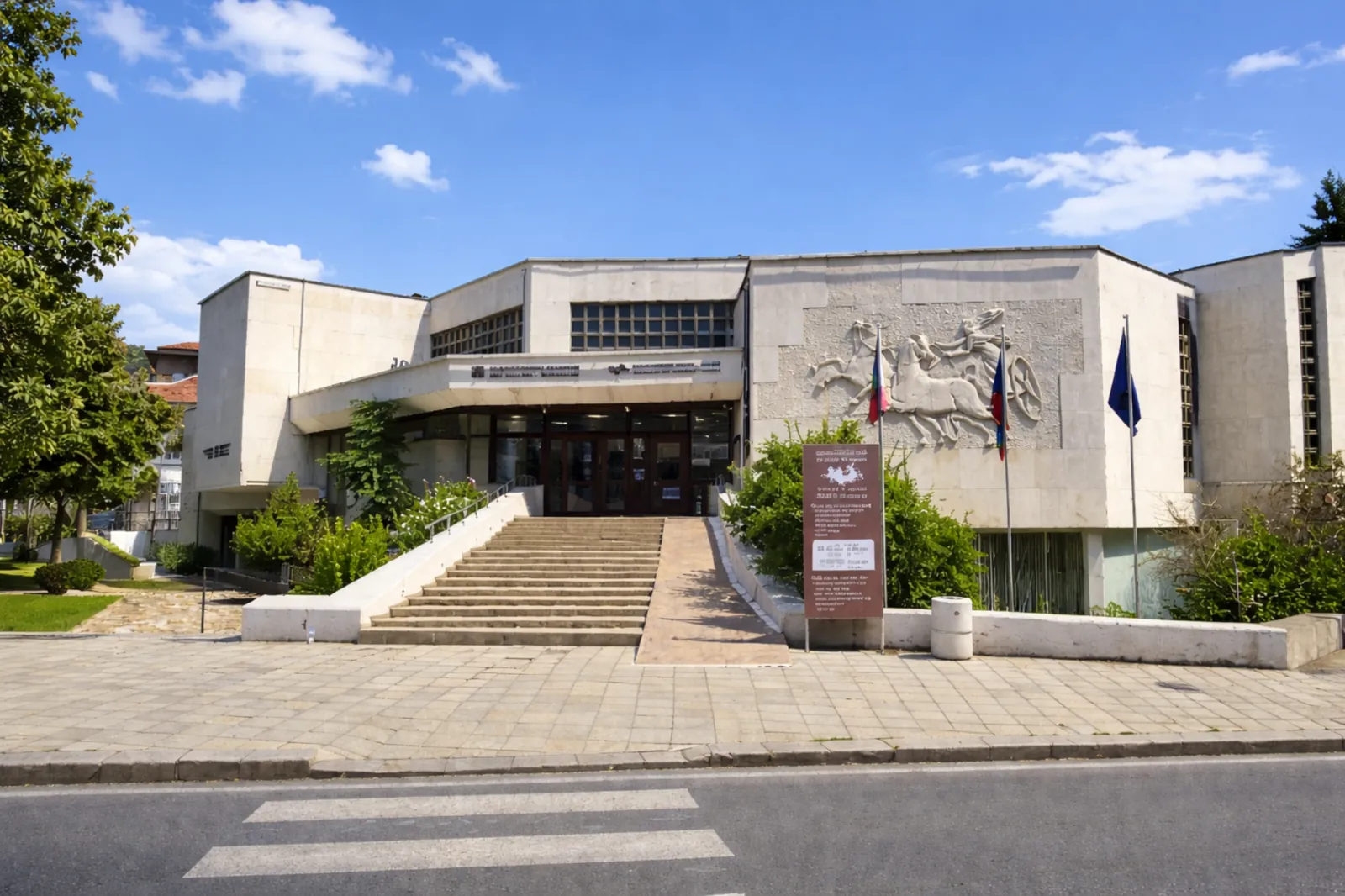
- Historical Museum Iskra
- Traditional Rose Distilleries
Best Time to Visit:
Late May and early June are the best times to visit Kazanlak. During this period, thousands of roses bloom across the Rose Valley.
In addition, the famous Rose Festival takes place throughout the city and surrounding villages. Visitors can enjoy parades, folk music, traditional dances, and rose-picking events.
Furthermore, the weather is usually pleasant for sightseeing and photography. As a result, this period attracts visitors from Bulgaria and around the world.
What to Visit Nearby:
- Shipka Monument
- Buzludzha Monument
- Shipka Memorial Church
- Etar Ethnographic Village
- Gabrovo
- Thracian Tomb of Kazanlak
- Golyama Kosmatka Tomb
- Ostrusha Thracian Tomb
- Shushmanets Thracian Tomb
- Helvetia Thracian Tomb
- Griffins Tomb
Quick Travel Information:
Located in central Bulgaria, the city lies approximately 200 kilometres east of Sofia. Visitors can reach the area by car, bus, or train.
In addition, excellent transport connections make travel convenient from many parts of the country. Therefore, Kazanlak serves as a popular starting point for exploring the Rose Valley.
Nearby attractions include Thracian tombs, museums, Shipka Monument, and Buzludzha Monument. Furthermore, guided tours operate throughout the region.
Hotels, guesthouses, traditional restaurants, and visitor services are widely available. As a result, travellers can easily plan both short visits and longer stays.
Meanwhile, local museums and cultural sites provide valuable insight into the area’s history and traditions.
Useful Links:
Related Tours including Kazanlak:
Day Tour to the Valley of Roses & Thracian Kings – Lunch Included
Want to see this place?
We would love to help you explore Bulgaria! Whether you're travelling with friends, family, or colleagues, we offer both group tours and tailor-made trips designed around your interests. Let us create the perfect Bulgarian experience for you.