Aleko Konstantinov House Museum – Svishtov, Bulgaria
Location: Svishtov, Veliko Tarnovo Province, Northern Bulgaria
Type: House Museum / Literary Museum / Bulgarian National Revival Heritage
Main Facts:
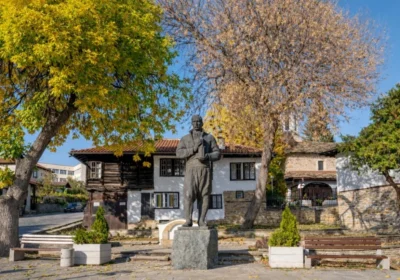
The Aleko Konstantinov House Museum is one of Svishtov’s most interesting cultural attractions. It stands in the house where the famous Bulgarian writer Aleko Konstantinov was born in 1863. Furthermore, the building offers a personal look at his family, childhood, education, and short but remarkable life.
Aleko’s father, Ivanitsa Hadzhikonstantinov, built the family house in 1861. He was a wealthy and well-educated merchant who spoke several languages. As a result, Aleko grew up in a family where education, culture, and learning were highly valued.
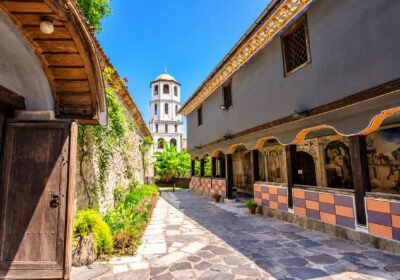
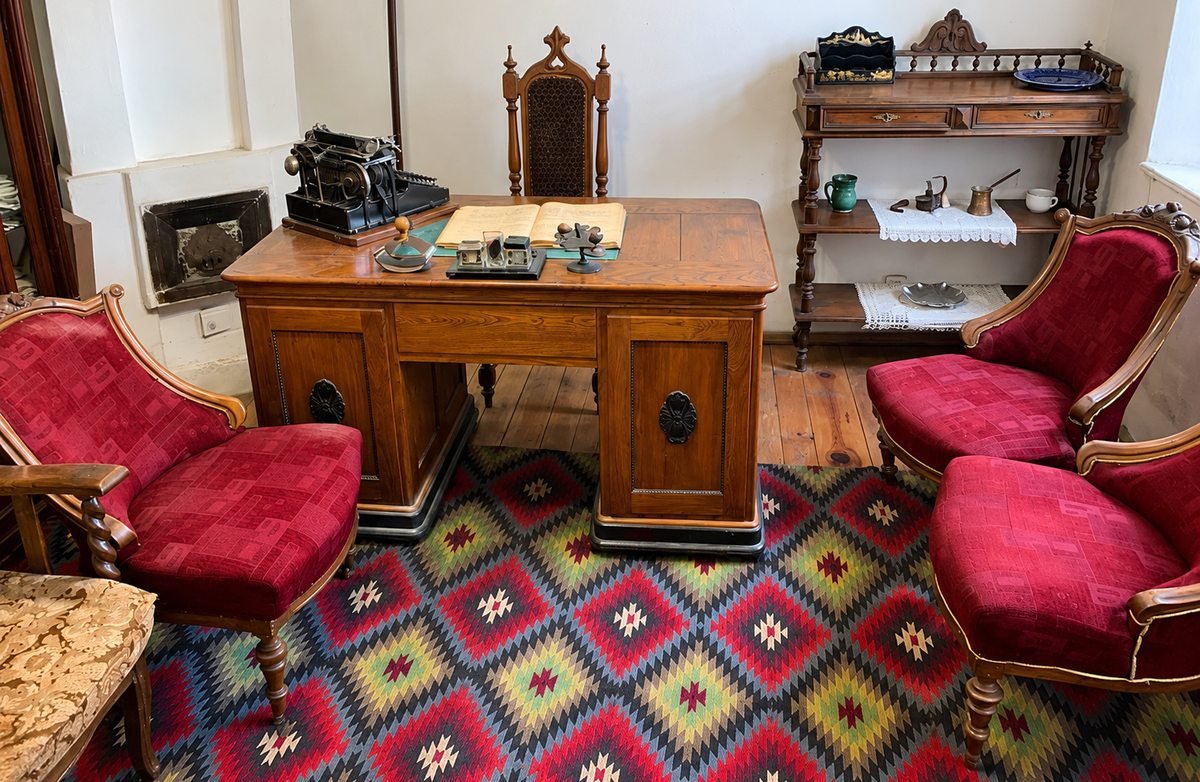
The house is a fine example of a prosperous nineteenth-century Bulgarian home. In addition, visitors can see original furniture, household objects, photographs, books, and personal belongings. Consequently, the rooms help recreate the atmosphere of Svishtov during the final years of the Bulgarian National Revival.
A House Connected with Bulgarian History
The story of the house goes beyond Aleko’s childhood. During the Russo-Turkish War of 1877–1878, Emperor Alexander II stayed in the house during his third visit to Svishtov. Later, after the Liberation of Bulgaria, the building became the office of the first Bulgarian provincial administration.
Aleko Konstantinov also worked there for a time. He shared this workplace with Ivan Vazov and other notable figures. Therefore, the house connects several important chapters in Bulgaria’s history, from the National Revival to the birth of the modern Bulgarian state.
Who Was Aleko Konstantinov?
Aleko Konstantinov was a Bulgarian writer, lawyer, traveller, and social critic. He is best known for creating Bai Ganyo, one of the most famous characters in Bulgarian literature.
Bai Ganyo is a fictional Bulgarian merchant and traveller. At first, he can seem funny and entertaining. However, the character has a deeper purpose. Through Bai Ganyo, Aleko used humour and satire to show problems such as greed, selfishness, poor manners, and dishonesty.
For someone who has never heard of Bai Ganyo, the character can be understood as a mirror of society. He reflects both the strengths and weaknesses of Bulgaria during a period of rapid change. As a result, readers can laugh at his adventures while also thinking about the behaviour and values behind the stories.
Aleko Konstantinov – “The Lucky One”
Aleko Konstantinov is widely known in Bulgaria by the nickname “The Lucky One”, or “Shastlivetsa”. Interestingly, the name is deeply ironic because Aleko’s own life was far from lucky.
He suffered several painful family losses during his lifetime. Tragically, he was killed in 1897 when he was only 34 years old. Nevertheless, Aleko was known for his love of travel, nature, friendship, culture, and life itself.
The nickname became closely connected with his writing and his way of looking at the world. Consequently, “The Lucky One” came to express his ability to find joy and meaning despite difficult circumstances.
Today, the museum helps visitors understand this side of Aleko through photographs, documents, books, and personal belongings. In addition, the house preserves the memory of the writer and the family that shaped his early years.
Historical Importance:
The Aleko Konstantinov House is important not only because it preserves the birthplace of a major Bulgarian writer. More importantly, it provides a valuable picture of Bulgarian society during the late National Revival and the early years after the Liberation.
Aleko’s family was educated, wealthy, and closely connected with the cultural life of Svishtov. Furthermore, his father’s knowledge of several languages reflects the growing importance of education and European ideas among Bulgarians during the nineteenth century. As a result, the house offers useful insight into the changing society of the period.
Its connection with Emperor Alexander II adds another important historical layer. During the Russo-Turkish War, his stay in the house linked it directly with the events that led to Bulgaria’s Liberation. Later, the building became the office of the first Bulgarian provincial administration, marking the transition from Ottoman rule to the new Bulgarian state.
Aleko later donated the house to the municipality of Svishtov. Consequently, the building was preserved for future generations and eventually became a museum dedicated to his life and work.
Today, the Aleko Konstantinov House Museum is an important part of Svishtov’s cultural heritage. Therefore, it is a worthwhile stop for anyone interested in Bulgarian literature, the National Revival, and the country’s early modern history.
What to See:
- Birthplace of Aleko Konstantinov
- House Built by His Father in 1861
- Original Furniture
- Family and Household Objects
- Personal Belongings of Aleko Konstantinov
- Historic Photographs and Documents
- Books and Literary Exhibits
- Displays About Bai Ganyo
- Connections with Emperor Alexander II
- Danube Views
Best Time to Visit:
The Aleko Konstantinov House Museum can be visited throughout the year. However, spring and autumn are especially pleasant for exploring Svishtov and its historic centre.
Furthermore, these seasons make it easy to combine the museum with other attractions in the town. During summer, the museum offers a comfortable indoor stop during the warmer hours. Meanwhile, winter usually brings a quieter atmosphere and fewer visitors. Therefore, every season can be suitable for a visit.
What to Visit Nearby:
- Cathedral of the Holy Trinity
- Church of St Dimitar
- Monument of the Donors
- Kaleto Historical Park
- Memorial Park “The Monuments”
- Roman Legionary Fortress of Novae
- Svishtov Historical Museum
- Danube Riverside
Quick Travel Information:
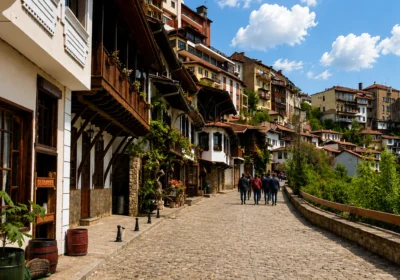
The Aleko Konstantinov House Museum is located in the centre of Svishtov and can easily be reached on foot from several of the town’s main attractions. Furthermore, Svishtov is approximately 80 kilometres north of Veliko Tarnovo, making it a convenient day trip by car in around one hour.
In addition, the museum works very well as part of a wider tour of Svishtov. For example, visitors can combine it with the Cathedral of the Holy Trinity, Kaleto Historical Park, the Monument of the Donors, and the Roman Legionary Fortress of Novae. Consequently, Svishtov offers a varied day trip from Veliko Tarnovo, combining literature, National Revival history, architecture, and Roman heritage.
Useful Links: