Saeva Dupka Cave – Bulgaria’s Beautiful Underground Cave Wonder
Location: Near Brestnitsa Village, Lovech Province, Bulgaria
Type: Natural Cave / Karst Landmark / Tourist Attraction
Main Facts:
Saeva Dupka Cave is a famous cave in Bulgaria. It lies near Brestnitsa in northern Bulgaria. As a result, many people visit the cave every year.
The cave is known for its large halls and unusual rock formations. In addition, visitors enjoy its cool temperature and natural beauty.
Water created the cave over millions of years. Today, it is one of the most visited caves in Bulgaria.
Saeva Dupka Cave is more than 400 metres long. It contains several large chambers. Narrow passages connect them. Therefore, visitors can easily explore the cave.
The cave stays cool all year round. Consequently, it is a pleasant place to visit in every season.
Saeva Dupka Cave Rock Formations
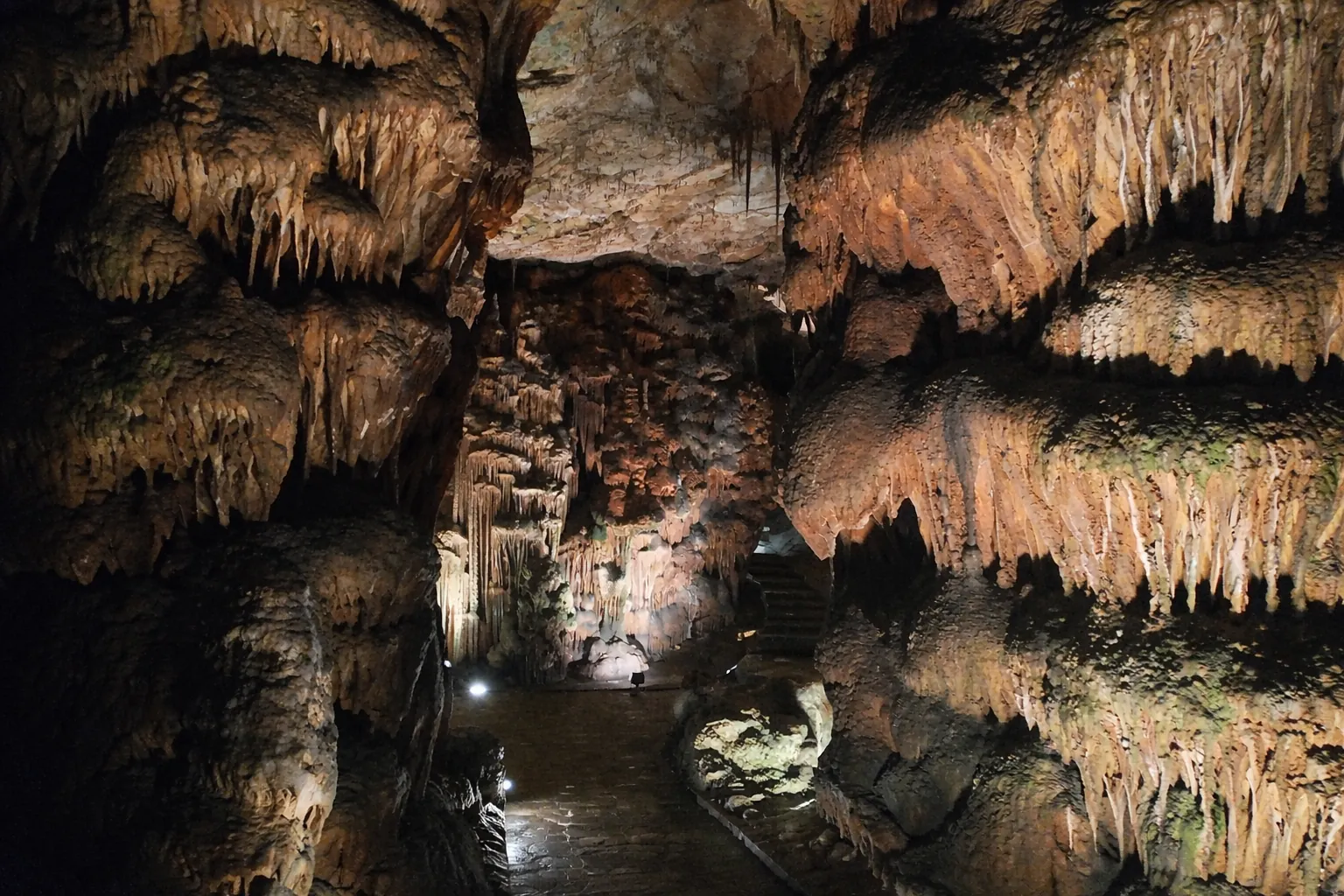
The cave contains many stalactites and stalagmites. Water formed them over thousands of years. As a result, visitors can see many interesting shapes.
Some formations resemble animals and objects. Meanwhile, local legends gave names to many of them.
In addition, special lighting highlights the beauty of the cave. Therefore, it is a popular place for photography.
Concert Hall in Saeva Dupka Cave
The Concert Hall is one of the cave’s most famous chambers. It is known for its size and clear sound.
Because of its acoustics, musicians have performed there on special occasions. Moreover, the hall contains one of Bulgaria’s largest stalactites.
Guided tours help visitors explore the cave safely. At the same time, guides share stories and facts about the cave.
Saeva Dupka Cave History:
Local legends connect the cave with two brothers named Sayo and Sae. According to the story, they hid there during the Ottoman period. Therefore, people named the cave after them.
For centuries, local people used caves as shelters. As a result, caves played an important role in the region.
Scientists also study Saeva Dupka Cave. In addition, they research its rock formations and underground environment.
Today, the cave is one of Bulgaria’s best-known natural attractions. Moreover, it continues to attract visitors from around the world.
What to See:
- Concert Hall Chamber
- Giant Stalactites and Stalagmites
- Underground Rock Formations
- Illuminated Cave Passages
- Natural Limestone Chambers
- Karst Geological Features
- Scenic Forest Surroundings
- Guided Cave Tours
Best Time to Visit:
Visitors can explore Saeva Dupka Cave throughout the year. The cave stays cool in every season. Therefore, it offers comfortable conditions even during the summer months.
Spring and summer are especially popular. During this time, many visitors combine the cave with nearby hiking trails and natural attractions. In addition, the surrounding countryside is at its most colourful.
Autumn is another excellent time to visit. The weather is pleasant and the area is usually quieter. As a result, visitors can enjoy a more relaxed experience.
What to Visit Nearby:
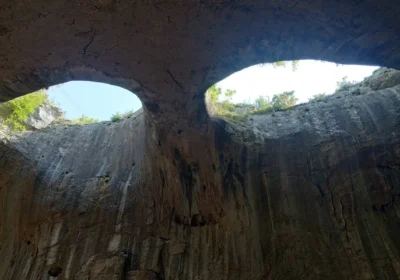
- Prohodna Cave – Eyes of God Cave
- Zlatna Panega Geopark
- Krushuna Waterfalls
- Lukovit
- Karlukovo Karst Region
- Devetashka Cave
- Lovech Fortress
- Troyan Monastery
Quick Travel Information:
Saeva Dupka Cave is located near Brestnitsa Village in northern Bulgaria. Visitors can reach the cave by car from Sofia in about two hours.
Entry tickets and guided tours are available at the site. In addition, tours usually start every hour throughout the day.
Visitors should wear comfortable footwear. Furthermore, a light jacket is recommended because the cave remains cool all year round.
As a result, visitors can enjoy a comfortable visit in every season.
Useful Links:
Related Tours including Saeva Dupka Cave:
Day Tour to Saeva Dupka, Prohodna Cave & Panega Eco Trail
Want to see this place?
We would love to help you explore Bulgaria! Whether you're travelling with friends, family, or colleagues, we offer both group tours and tailor-made trips designed around your interests. Let us create the perfect Bulgarian experience for you.