Thracian Tomb of Kazanlak – Bulgaria’s UNESCO Ancient Treasure
Location: Kazanlak, Central Bulgaria
Type: UNESCO World Heritage Site / Ancient Thracian Tomb / Archaeological Landmark
Main Facts:
The Thracian Tomb of Kazanlak is one of the most famous ancient sites in Bulgaria. It stands in Kazanlak in the Rose Valley of central Bulgaria. As a result, many visitors come here to explore Bulgaria’s ancient past.
Archaeologists believe the tomb dates from the 4th century BC. Today, experts regard it as one of the finest examples of Thracian art and burial architecture. Therefore, it holds great importance for Bulgarian history.
Workers discovered the tomb in 1944. Moreover, it forms part of the famous Valley of the Thracian Kings. The region contains many tombs, burial mounds, and ancient temples. Consequently, it became one of Bulgaria’s leading archaeological destinations.
Ancient builders created the tomb for a powerful Thracian ruler and his family. In addition, the structure highlights the advanced skills of Thracian artists and craftsmen. It also reveals important details about burial traditions in ancient Bulgaria.
Frescoes of the Thracian Tomb of Kazanlak:
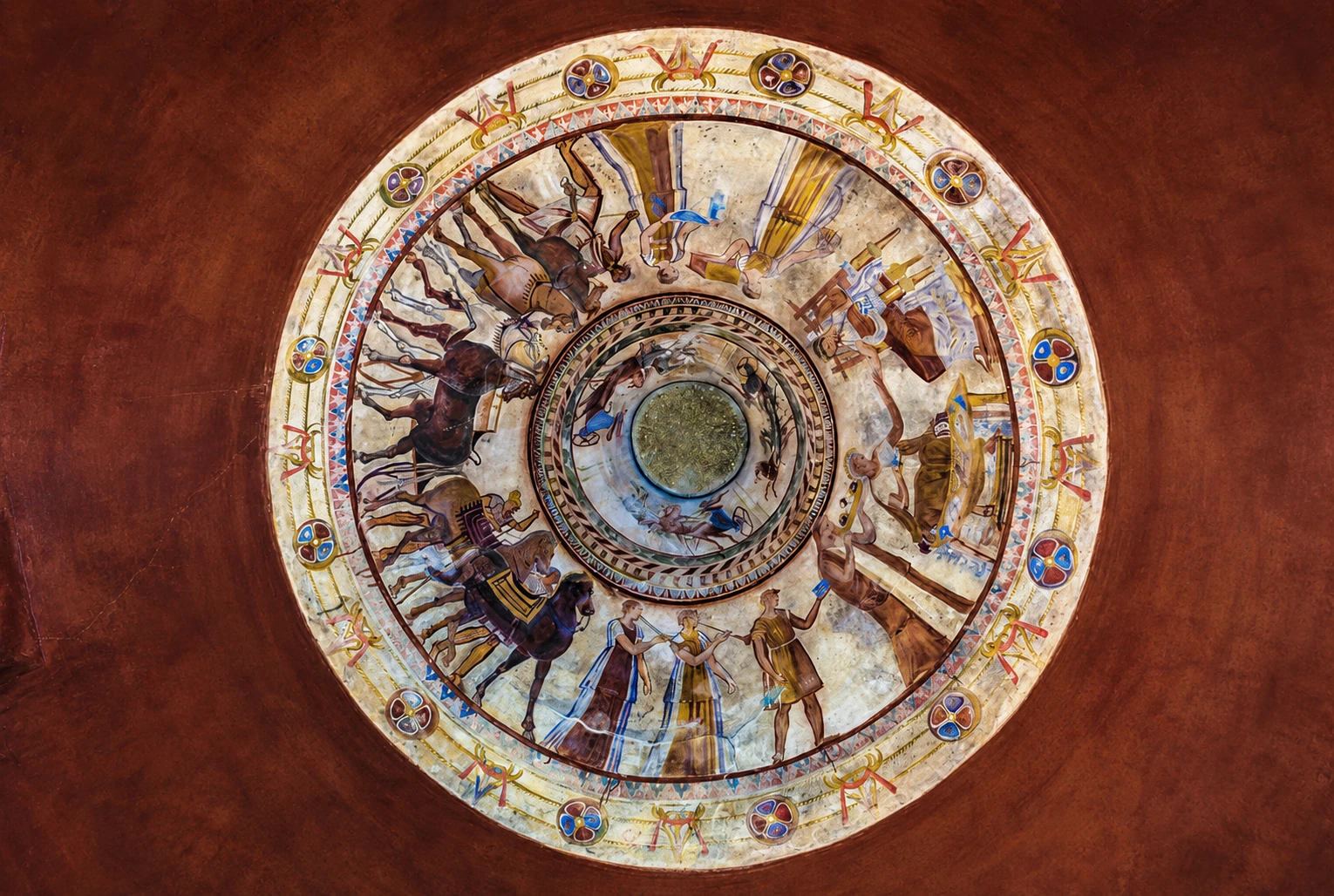
The tomb is especially famous for its colourful wall frescoes. Historians consider them among the finest examples of Thracian art. Furthermore, the paintings decorate both the corridor and the burial chamber.
Visitors can see scenes showing banquets, horses, warriors, servants, and religious ceremonies. As a result, the artwork provides valuable insight into Thracian beliefs and daily life.
One of the most famous frescoes shows a noble Thracian couple at a ceremonial feast. The image symbolises farewell and eternal life. Moreover, the realistic details and facial expressions make the paintings exceptionally valuable.
Visiting the Thracian Tomb of Kazanlak:
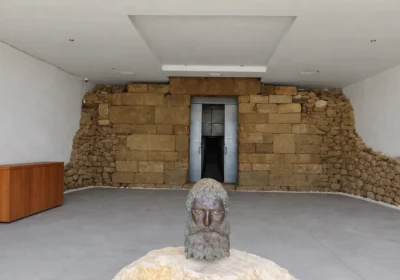
Today, most visitors explore a detailed replica located near the original tomb. Meanwhile, experts continue to protect the authentic structure.
Authorities restrict access to the original chamber in order to preserve the ancient artwork. Therefore, visitors can admire the frescoes without causing damage to the site.
The Thracian Tomb of Kazanlak attracts historians, students, photographers, and archaeology enthusiasts from around the world. Consequently, it remains one of Bulgaria’s most visited historical attractions.
Historical Importance:
The Thracian Tomb of Kazanlak provides valuable insight into ancient Thracian culture. In addition, it reveals important information about religion, art, traditions, and burial customs.
Experts consider the frescoes masterpieces of ancient painting. Furthermore, they provide information about clothing, ceremonies, military traditions, and daily life.
The tomb also demonstrates the high level of craftsmanship achieved by the ancient Thracians. Therefore, researchers continue to study it today.
After its discovery in 1944, the site quickly gained international attention. Consequently, interest in Thracian civilisation grew significantly.
UNESCO added the Thracian Tomb of Kazanlak to the World Heritage List in 1979 because of its exceptional cultural value. Today, it remains one of Bulgaria’s most protected historical sites. At the same time, it continues to play an important role in cultural tourism and archaeological research.
What to See:
- Ancient Thracian Frescoes
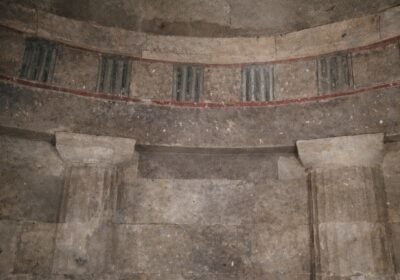
- Circular Burial Chamber
- Painted Banquet Scene
- Hellenistic Wall Paintings
- Tomb Replica Exhibition
- Valley of the Thracian Kings
- Archaeological Exhibits
- Thracian Burial Architecture
Best Time to Visit:
Spring and early summer are the best times to visit the Thracian Tomb of Kazanlak. During these months, the Rose Valley becomes especially colourful and attractive.
In addition, pleasant temperatures create ideal conditions for sightseeing. Furthermore, many visitors combine a trip to the tomb with nearby attractions in the Rose Valley.
Late May and early June are particularly popular. At that time, the famous Rose Festival takes place in the region. As a result, visitors can enjoy both historical landmarks and local traditions.
What to Visit Nearby:
- Kazanlak
- Valley of the Thracian Kings
- Golyama Kosmatka Tomb
- Ostrusha Thracian Tomb
- Shushmanets Thracian Tomb
- Helvetia Thracian Tomb
- Rose Valley
- Shipka Monument
- Shipka Memorial Church
- Buzludzha Monument
Quick Travel Information:
The Thracian Tomb of Kazanlak is located close to the centre of Kazanlak in central Bulgaria. Visitors can easily reach the site by car or on foot from the city. Most tourists explore the replica built next to the original tomb. This helps preserve the ancient frescoes inside the authentic structure.
Guided tours and museum information are available throughout the area. In addition, visitors can explore several nearby Thracian sites during the same trip.
Useful Links:
- Google Maps – Thracian Tomb of Kazanlak
- Kazanlak Weather Forecast
- UNESCO – Thracian Tomb of Kazanlak
Related Tours including Thracian Tomb of Kazanlak:
Day Tour to the Valley of Roses & Thracian Kings – Lunch Included
Want to see this place?
We would love to help you explore Bulgaria! Whether you're travelling with friends, family, or colleagues, we offer both group tours and tailor-made trips designed around your interests. Let us create the perfect Bulgarian experience for you.