Starosel Tomb Bulgaria – Ancient Thracian Temple Complex
Location: Near Starosel Village, Central Bulgaria
Type: Thracian Tomb / Archaeological Site / Ancient Sanctuary
Main Facts:
Starosel Tomb is one of the most impressive Thracian archaeological sites in Bulgaria. It lies near the village of Starosel in central Bulgaria, close to the Sredna Gora Mountains. As a result, the site attracts visitors interested in ancient history and archaeology.
Archaeologists discovered the Starosel complex in 2000. Soon afterwards, it became one of Bulgaria’s most important Thracian discoveries. Moreover, experts date the complex to the 5th century BC. At that time, the powerful Odrysian Kingdom controlled much of the region.
Architecture of Starosel Tomb:
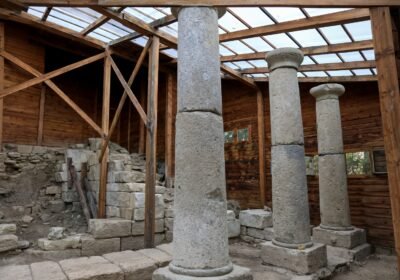
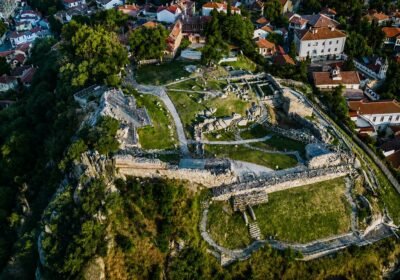
The site is famous for its massive stone walls and underground chambers. In addition, visitors can see ceremonial corridors and remarkable Thracian architecture.
The complex also contains a large temple beneath a burial mound. Furthermore, experts consider it one of the largest Thracian cult structures ever discovered in Bulgaria.
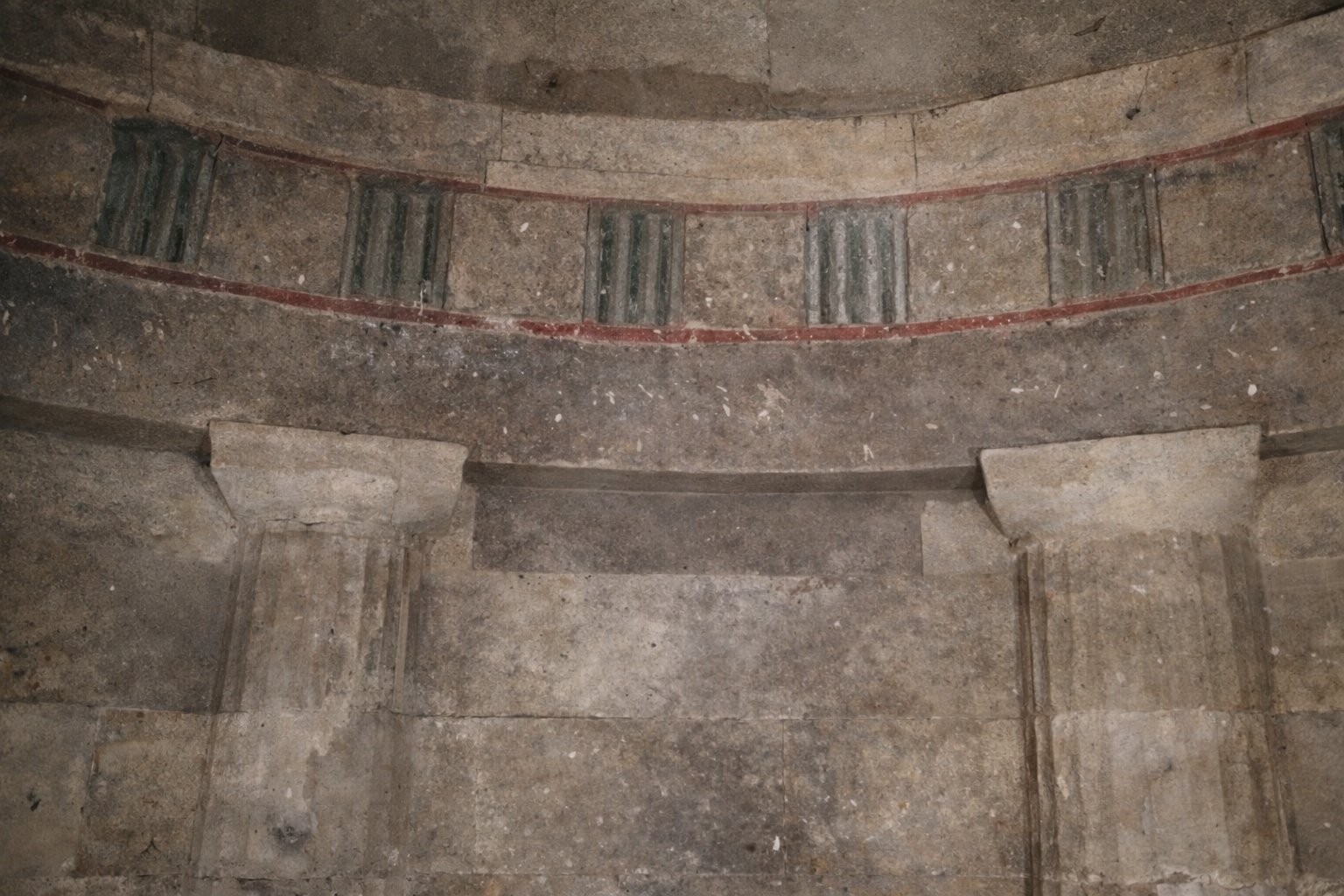
The main chamber features enormous stone blocks and carved decorations. It also contains a circular burial room connected by a long corridor. Consequently, the structure provides valuable insight into Thracian engineering and construction methods.
Historians believe Thracian rulers and aristocrats used the complex for ceremonies and royal burials. Therefore, Starosel played an important role in ancient religious life.
Visiting Starosel Tomb:
Starosel Tomb also stands out because of its beautiful natural setting. Vineyards, forests, and rolling hills surround the archaeological site.
As a result, visitors can enjoy both history and nature in one location. Moreover, the peaceful countryside makes the area popular for photography and sightseeing.
Today, Starosel remains one of Bulgaria’s leading Thracian attractions. In addition, it forms an important part of the country’s growing archaeological tourism.
Historical Importance:
Starosel Tomb played a significant role in Thracian religious life. During the height of the Odrysian Kingdom, local rulers used the complex for important ceremonies and rituals.
The site reveals valuable information about burial traditions and religious beliefs. Furthermore, archaeologists uncovered pottery, ceremonial objects, and other artefacts linked to Thracian aristocratic culture.
The temple complex also shows strong connections between Thracian and Greek cultures. Moreover, several decorative elements reflect influences from the wider Mediterranean world.
Because of its size and design, historians believe the complex served both religious and political purposes. Consequently, ancient leaders likely organised ceremonies and elite gatherings here.
Today, Starosel Tomb remains one of Bulgaria’s most valuable Thracian landmarks. At the same time, it continues to attract researchers, historians, and travellers interested in ancient civilisations.
What to See:
- Thracian Temple Complex
- Ancient Burial Chambers
- Stone Ritual Corridors
- Massive Defensive Walls
- Circular Burial Chamber
- Archaeological Excavation Areas
- Thracian Architectural Details
- Scenic Mountain Landscapes
Best Time to Visit:
Spring and autumn are the best times to visit Starosel Tomb Bulgaria. During these seasons, temperatures are usually mild and comfortable.
In addition, the weather is ideal for exploring the outdoor archaeological complex. Furthermore, the surrounding countryside looks especially beautiful during these months.
Spring brings green landscapes and colourful scenery. Meanwhile, autumn offers pleasant temperatures and fewer visitors. As a result, many travellers find it easier to explore the site at a relaxed pace.
Although summer is also popular, spring and autumn generally provide the most comfortable conditions for sightseeing and photography.
What to Visit Nearby:
- Hisarya
- Horizont Thracian Tomb
- Wine Cellars of Starosel
- Thracian Tomb of Kazanlak
- Rose Valley Bulgaria
- Sredna Gora Mountains
- Buzludzha Monument
- Koprivshtitsa
- Plovdiv
Quick Travel Information:
Starosel Tomb is located around 50 kilometres from Plovdiv and can easily be reached by car. Guided tours are available at the archaeological site. Comfortable footwear is recommended because visitors walk through uneven stone paths and outdoor areas.
Useful Links:
Related Tours including Starosel Tomb Bulgaria: