Nessebar – Bulgaria’s Ancient Seaside Heritage Town
Location: Nessebar, Black Sea Coast, Bulgaria
Type: Ancient Town / UNESCO World Heritage Site / Coastal Landmark
Main Facts:
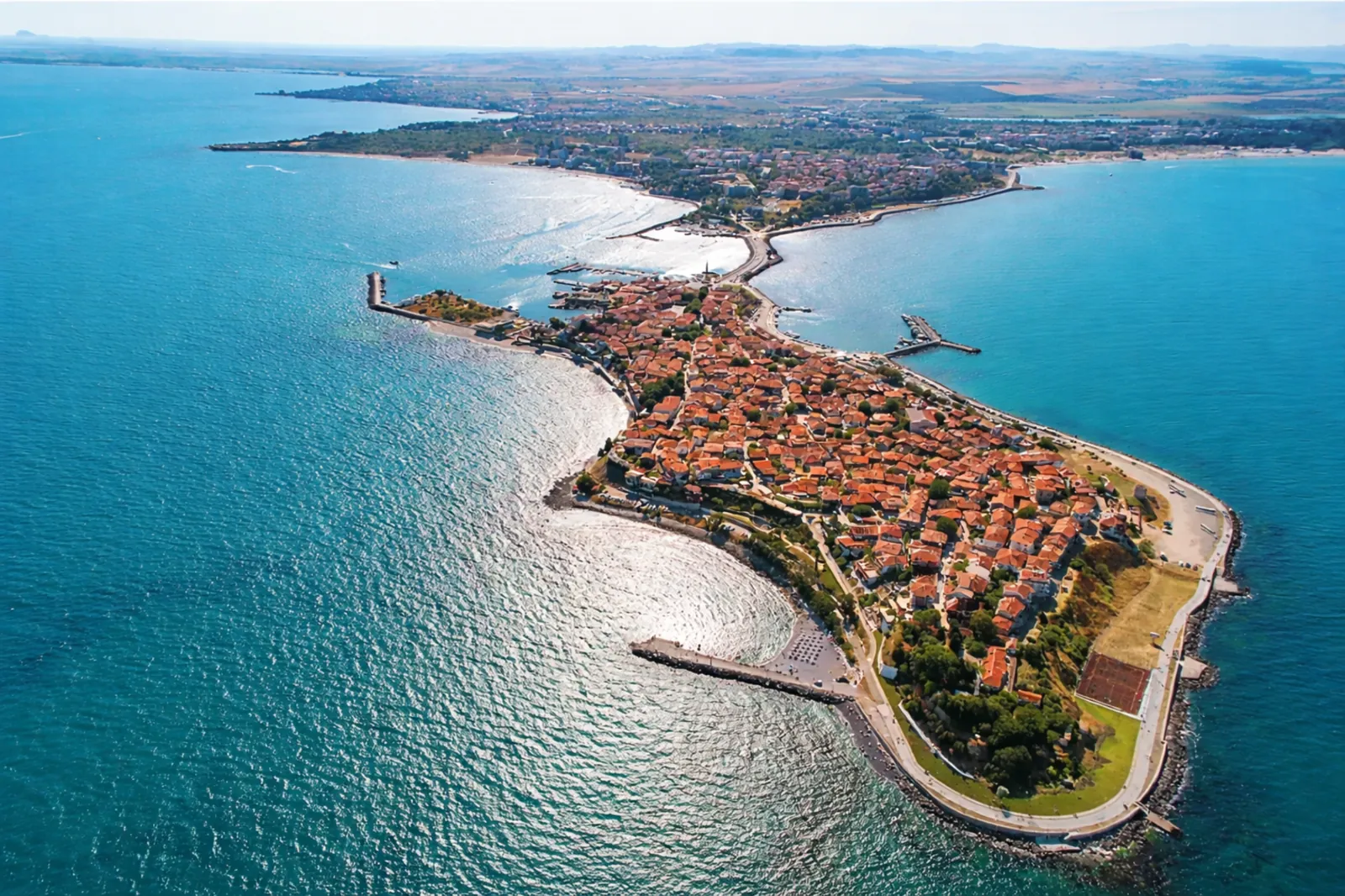
Nessebar is one of Bulgaria’s most historic coastal towns. It stands on a small rocky peninsula along the Black Sea coast. As a result, visitors enjoy both sea views and historic landmarks.
Many people call Nessebar the “Pearl of the Black Sea.” The town is famous for its ancient churches, wooden houses, and cobbled streets. In addition, it has a history of more than 3,000 years.
Today, UNESCO recognises Nessebar as a World Heritage Site. Therefore, it attracts visitors from around the world.
History of Nessebar:
The Thracians founded the earliest settlement in the area. Later, Greek settlers established the colony of Mesembria. Over time, Romans, Byzantines, Bulgarians, and Ottomans influenced the town’s development.
Consequently, Nessebar became an important centre for trade, religion, and culture along the Black Sea coast.
Churches of Nessebar:
Nessebar is famous for its medieval churches. Many of them date from the 5th to the 14th centuries. As a result, the town earned the nickname “City of Forty Churches.”
One of the best-known landmarks is the Church of Saint Sophia. Another important site is the Church of Christ Pantocrator. Moreover, visitors admire its decorative brickwork and Byzantine design.
Old Town of Nessebar:
The old town is full of narrow stone streets and traditional Bulgarian Revival houses. Meanwhile, small museums, craft shops, and seafood restaurants create a welcoming atmosphere.
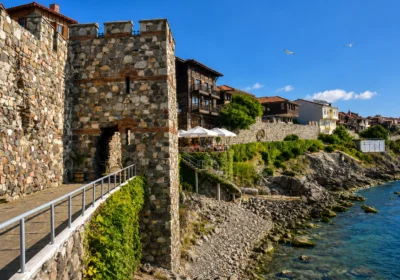
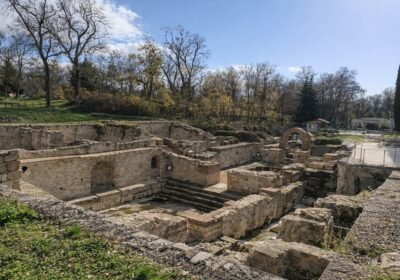
Visitors can explore ancient ruins and old fortifications. In addition, many streets offer beautiful views of the Black Sea.
The combination of history and coastal scenery makes Nessebar a unique destination. As a result, it remains one of Bulgaria’s most visited towns.
Modern Tourism in Nessebar:
Nessebar lies close to Sunny Beach, one of Bulgaria’s most popular seaside resorts. Consequently, many travellers combine a beach holiday with a visit to the historic town.
Today, Nessebar attracts photographers, historians, pilgrims, and tourists. At the same time, it offers a unique blend of history, architecture, and seaside charm.
Historical Importance:
For thousands of years, Nessebar played an important role in Black Sea history. The town began as a Thracian settlement before Greek settlers transformed it into Mesembria.
During Roman and Byzantine rule, the town expanded significantly. In addition, builders constructed churches, fortifications, public buildings, and trading facilities.
The medieval Bulgarian Empire also shaped the town. Consequently, many of Nessebar’s famous churches date from this period.
Because of its strategic position, different powers controlled the town over the centuries. Nevertheless, Nessebar preserved much of its historic character.
Wars, invasions, and political changes affected the town. However, many historic buildings survived. As a result, visitors can still experience its medieval atmosphere today.
UNESCO added Nessebar to the World Heritage List in 1983. Therefore, the town gained international recognition for its cultural value.
Today, Nessebar remains one of Bulgaria’s most important historical treasures. Moreover, it continues to preserve its unique heritage for future generations.
What to See:
- Church of Saint Sophia
- Church of Christ Pantocrator
- Ancient City Walls
- Byzantine Churches
- Archaeological Museum Nessebar
- Traditional Bulgarian Revival Houses
- Old Windmill
- Nessebar Harbour
Best Time to Visit:
The best time to visit Nessebar is during late spring, summer, and early autumn when the weather is warm, the sea is ideal for swimming, and the old town can be fully enjoyed on foot.
What to Visit Nearby:
- Sunny Beach
- Sozopol
- Burgas
- Pomorie
- Aqua Paradise Water Park
- Cape Emine
Quick Travel Information:
Nessebar is located approximately 35 kilometres north of Burgas and can easily be reached by car, bus, or taxi from nearby Black Sea resorts and Burgas Airport. The old town is mostly pedestrian-friendly and best explored on foot. Numerous hotels, restaurants, museums, and guided tours are available throughout the area.
Useful Links:
Related Tours including Nessebar:
Day Tour to UNESCO Nessebar Old Town & Pomorie Tomb – Lunch Included
Want to see this place?
We would love to help you explore Bulgaria! Whether you're travelling with friends, family, or colleagues, we offer both group tours and tailor-made trips designed around your interests. Let us create the perfect Bulgarian experience for you.