UNESCO World Heritage Sites in Bulgaria: The Complete Travel Guide
Bulgaria is home to an extraordinary collection of UNESCO World Heritage Sites that showcase more than 3,000 years of history, culture, and natural beauty. From ancient Thracian tombs and medieval monasteries to spectacular mountain landscapes, these remarkable places reveal the country’s rich and diverse heritage.
Whether you’re planning a road trip across Bulgaria or simply looking for unforgettable places to visit, UNESCO sites offer some of the country’s finest cultural and natural attractions. Better still, many of them are easy to combine into a single itinerary, allowing you to experience Bulgaria’s rich heritage at your own pace.
Here’s your complete guide to Bulgaria’s UNESCO World Heritage Sites.
How Many UNESCO World Heritage Sites Are There in Bulgaria?
Bulgaria is home to 10 UNESCO World Heritage Sites, including:
- 7 Cultural World Heritage Sites
- 2 Natural World Heritage Sites
- 1 Transnational Natural Site shared with several European countries
In addition, Bulgaria has several traditions recognised on UNESCO’s Intangible Cultural Heritage list, celebrating the country’s unique customs, music, and craftsmanship.
Cultural UNESCO World Heritage Sites
Boyana Church – Sofia
Located on the outskirts of Sofia, Boyana Church is famous for its remarkable thirteenth-century frescoes. Painted decades before the Italian Renaissance, these masterpieces introduced realistic human expressions and artistic techniques that were far ahead of their time.
Although the church itself is relatively small, its paintings rank among the finest examples of medieval European art. Consequently, it remains one of Bulgaria’s most visited UNESCO sites.
Highlights:
- Thirteenth-century frescoes
- Medieval Orthodox architecture
- UNESCO World Heritage Site since 1979
Read More: Boyana Church
Google Maps Location – Boyana Church
Rila Monastery
Nestled in the Rila Mountains, Rila Monastery is Bulgaria’s largest and most famous monastery. Founded during the tenth century by Saint Ivan of Rila, it became the spiritual heart of the country throughout the centuries.
Today, visitors admire its colourful arcades, magnificent church, museum collections, and peaceful mountain surroundings. Furthermore, the monastery remains an active place of worship.
Highlights:
- Bulgaria’s largest monastery
- Stunning frescoes
- Mountain scenery
- UNESCO World Heritage Site since 1983
Read More: Rila Monastery
Google Maps Location – Rila Monastery
Ancient City of Nessebar
Situated on a picturesque peninsula along the Black Sea coast, Ancient Nessebar combines over 3,000 years of history with charming cobbled streets and traditional Bulgarian architecture.
Visitors can explore Byzantine churches, ancient fortifications, archaeological remains, and lively waterfront restaurants while enjoying beautiful sea views.
Highlights:
- Ancient Greek and Roman history
- Medieval churches
- Traditional wooden houses
- Beautiful Black Sea location
Read More: Ancient Nessebar
Google Maps Location – Nessebar
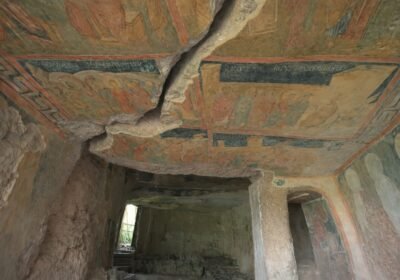
Ivanovo Rock Churches
Hidden among the limestone cliffs of Rusenski Lom Nature Park, the Ivanovo Rock Churches represent one of Bulgaria’s most extraordinary medieval monuments.
Hermit monks carved churches, chapels, and living quarters directly into the cliffs during the twelfth century. Today, visitors admire spectacular fourteenth-century frescoes that rank among the finest examples of medieval Bulgarian art.
Highlights:
- Rock-cut monastery
- Exceptional medieval frescoes
- Scenic natural setting
- UNESCO World Heritage Site since 1979
Read More: Ivanovo Rock Churches
Google Maps Location – Ivanovo Rock Churches
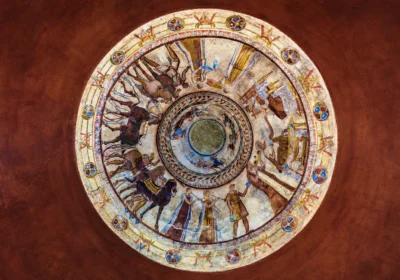
Thracian Tomb of Kazanlak
Discovered in 1944, the Thracian Tomb of Kazanlak dates back to the fourth century BC and contains some of the best-preserved wall paintings in the world ot the Ancient Era.
Although visitors enter a replica, which is 100% exact copy, the original tomb remains carefully protected to preserve its extraordinary artwork.
Highlights:
- Ancient Thracian burial chamber
- Colourful wall paintings
- Rose Valley location
- UNESCO World Heritage Site since 1979
Read More: Thracian Tomb of Kazanlak
Google Maps Location – Thracian Tomb of Kazanlak
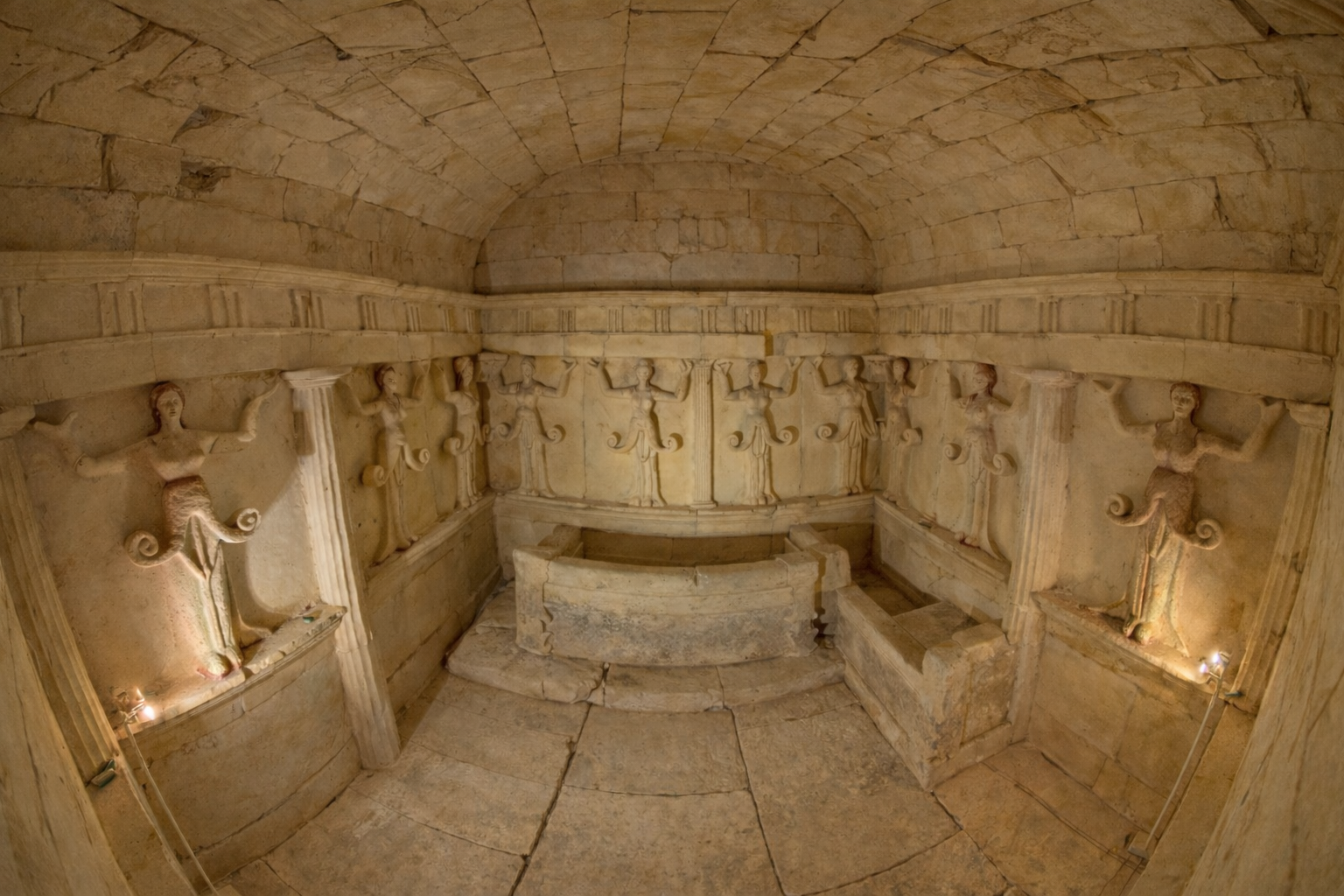
Thracian Tomb of Sveshtari
The Thracian Tomb of Sveshtari offers one of Bulgaria’s most fascinating archaeological discoveries. Dating from the third century BC, the tomb is renowned for its unique female sculptures that appear to support the chamber’s ceiling.
Its unusual architecture reflects a remarkable blend of Thracian beliefs and Hellenistic artistic influences.
Highlights:
- Unique caryatid sculptures
- Ancient Thracian royal tomb
- Outstanding archaeological site
- UNESCO World Heritage Site since 1985
Read More: Thracian Tomb of Sveshtari
Google Maps Location – Thracian Tomb of Sveshtari
Madara Rider
Carved into a towering limestone cliff nearly 100 metres above the ground, the Madara Rider is one of Europe’s most mysterious medieval monuments.
The enormous relief depicts a horseman defeating a lion and dates from the early eighth century during the First Bulgarian Empire. Today, historians still debate its exact symbolism, adding to its fascination.
Highlights:
- Monumental cliff carving
- First Bulgarian Empire
- Spectacular viewpoints
- UNESCO World Heritage Site since 1979
Read More: Madara Rider
Google Maps Location – Madara Rider
Natural UNESCO World Heritage Sites
Pirin National Park
Pirin National Park protects one of Bulgaria’s most spectacular mountain landscapes. Visitors discover glacial lakes, dramatic peaks, alpine meadows, and ancient forests spread across the Pirin Mountains.
The park attracts hikers, climbers, wildlife enthusiasts, and photographers throughout the year. Furthermore, it offers some of the country’s finest outdoor adventures.
Highlights:
- Vihren Peak
- More than 170 glacial lakes
- Alpine wildlife
- Outstanding hiking routes
Read More: Pirin National Park
Google Maps Location – Pirin National Park
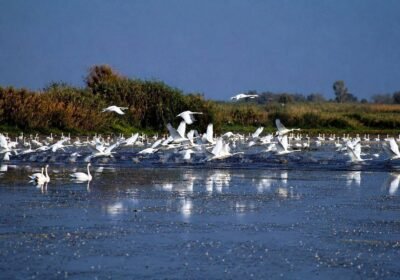
Srebarna Nature Reserve
Situated beside the Danube River, Srebarna Nature Reserve protects one of Europe’s most important freshwater wetlands.
The reserve provides a breeding ground for hundreds of bird species, including the rare Dalmatian pelican. Consequently, it has become one of Bulgaria’s premier destinations for birdwatching and wildlife photography.
Highlights:
- Wetland nature reserve
- Rare bird species
- Walking trails
- Visitor centre
Read More: Srebarna Nature Reserve
Google Maps Location – Srebarna Nature Reserve
Ancient and Primeval Beech Forests
Bulgaria also forms part of the multinational UNESCO site known as the Ancient and Primeval Beech Forests of the Carpathians and Other Regions of Europe.
These protected forests preserve some of Europe’s oldest untouched beech ecosystems and demonstrate how forests have developed naturally over thousands of years.
Although several protected areas contribute to this UNESCO designation, they remain relatively unknown compared with Bulgaria’s more famous cultural landmarks.
UNESCO Intangible Cultural Heritage
UNESCO also recognises Bulgaria’s living traditions, which continue to play an important role in the country’s identity.
These include:
- Bistritsa Babi – Traditional polyphonic singing and dance.
- Nestinarstvo – The ancient fire-dancing ritual performed in Strandzha.
- Chiprovtsi Carpets – Handmade woven carpets with distinctive geometric designs.
These traditions remind visitors that Bulgaria’s cultural heritage extends far beyond its historic monuments.
Planning Your UNESCO Road Trip
One of the best ways to experience Bulgaria’s UNESCO treasures is by combining several sites into a single journey.
Northern Bulgaria Route
- Ivanovo Rock Churches
- Srebarna Nature Reserve
- Thracian Tomb of Sveshtari
- Madara Rider
Southern Bulgaria Route
- Boyana Church
- Rila Monastery
- Thracian Tomb of Kazanlak
- Pirin National Park
Black Sea Route
- Ancient Nessebar
Each route offers a different perspective on Bulgaria’s rich history, culture, and natural beauty.
Frequently Asked Questions
Which UNESCO site is closest to Sofia?
Boyana Church is the closest UNESCO World Heritage Site, located only a short drive from Sofia’s city centre.
Which UNESCO site is Bulgaria’s most famous?
Rila Monastery is widely considered Bulgaria’s most famous UNESCO site thanks to its stunning architecture, colourful frescoes, and beautiful mountain setting.
Which UNESCO site is best for nature lovers?
Pirin National Park and Srebarna Nature Reserve offer exceptional opportunities for hiking, wildlife watching, and photography.
Can you visit several UNESCO sites on one trip?
Yes. Many sites lie within comfortable driving distance of each other, making Bulgaria an excellent destination for a UNESCO-themed road trip.
Why Visit Bulgaria’s UNESCO World Heritage Sites?
Bulgaria’s UNESCO World Heritage Sites showcase more than 3,000 years of history, from ancient Thracian civilisation and medieval kingdoms to breathtaking mountain landscapes and protected wetlands. Together, they reveal the remarkable diversity of one of Europe’s most underrated travel destinations.
Whether you admire magnificent monasteries, mysterious archaeological discoveries, dramatic natural scenery, or centuries-old traditions, Bulgaria offers a UNESCO experience unlike anywhere else on the continent. Therefore, no trip to the country is complete without exploring at least a few of these extraordinary landmarks.