Ivanovo Rock Churches – Near Ruse, Bulgaria
Location: Ivanovo Village, Ruse Province, Northern Bulgaria
Type: UNESCO World Heritage Site / Medieval / Rock-Hewn Churches
Main Facts:
The Ivanovo Rock Churches, officially known as the Ivanovo Rock-Hewn Churches, rank among Bulgaria’s most remarkable historical and religious landmarks. Hidden within the dramatic limestone cliffs of Rusenski Lom Nature Park, this extraordinary monastery complex combines medieval history, breathtaking scenery, and outstanding religious art. Furthermore, its location just 20 kilometres south of Ruse makes it one of the region’s most popular day trips.
Hermit monks founded the monastery during the twelfth century and gradually carved churches, chapels, monastic cells, and living quarters directly into the cliffs overlooking the Rusenski Lom River. Over the following centuries, the complex grew into one of the most important spiritual centres of the Second Bulgarian Empire. Consequently, Bulgarian tsars and noble families supported the monastery and helped it flourish throughout the medieval period.
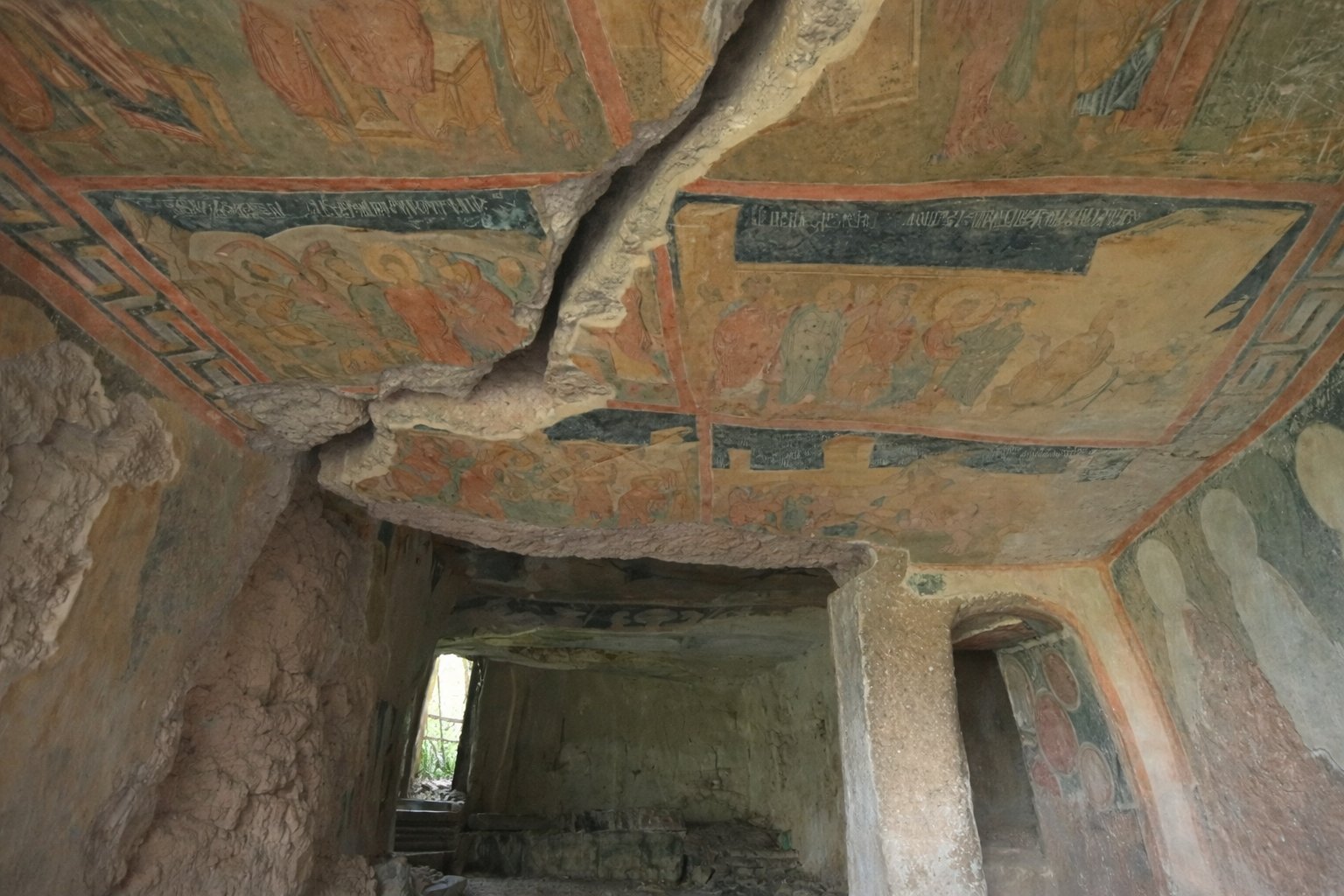
Today, visitors admire the best-preserved church, which features spectacular fourteenth-century frescoes. These remarkable paintings showcase the artistic brilliance of the Tarnovo School of Art through vivid colours, expressive figures, and exceptional detail. Moreover, the combination of natural rock formations and medieval architecture creates an unforgettable experience unlike anywhere else in Bulgaria.
As you climb the steps to the churches, you’ll enjoy stunning panoramic views across the Rusenski Lom valley. Meanwhile, the surrounding nature park offers excellent opportunities for hiking, birdwatching, and photography. Therefore, many visitors spend several hours exploring both the UNESCO site and the beautiful landscape around it.
Whether you love history, religious heritage, or spectacular scenery, the Ivanovo Rock Churches deserve a place on every itinerary in northern Bulgaria.
Historical Importance:
The Ivanovo Rock Churches offer one of the finest surviving examples of medieval monastic life in Eastern Europe. More importantly, they protect an extraordinary collection of frescoes that highlight the artistic achievements of the Second Bulgarian Empire.
During the thirteenth and fourteenth centuries, the monastery became a leading religious and cultural centre. Furthermore, Bulgarian rulers regularly supported the community and encouraged its development. As a result, talented medieval artists decorated the churches with magnificent frescoes that continue to impress visitors more than six centuries later.
UNESCO recognised the site’s outstanding cultural value and added the Ivanovo Rock-Hewn Churches to the World Heritage List in 1979. Today, the complex remains one of Bulgaria’s greatest medieval treasures. Therefore, it attracts visitors from around the world who want to experience its remarkable history and artistic heritage.
What to See:
- UNESCO World Heritage Site
- Medieval Rock-Hewn Churches
- Fourteenth-Century Frescoes
- Monastic Cells Carved into the Cliffs
- Chapel of the Holy Virgin
- Panoramic Views over Rusenski Lom Nature Park
- Limestone Cliffs and River Valley
- Walking Trails and Scenic Viewpoints
Best Time to Visit:
You can visit the Ivanovo Rock Churches throughout the year. However, spring and autumn provide the most comfortable temperatures for climbing the steps and exploring the surrounding nature park.
Furthermore, colourful spring flowers and vibrant autumn leaves create spectacular scenery for photography. During summer, you should arrive early in the morning or later in the afternoon to avoid the hottest part of the day. Therefore, every season offers a different perspective on this remarkable UNESCO site.
What to Visit Nearby:
- Rusenski Lom Nature Park
- Cherven Medieval Fortress
- Basarbovo Monastery
- Orlova Chuka Cave
- Lipnik Forest Park
- Ruse
- Danube Bridge
- Sexaginta Prista Fortress
Quick Travel Information:
The Ivanovo Rock-Hewn Churches are located approximately 20 kilometres south of Ruse and are easily reached by car. Free parking is available near the entrance, followed by a short climb to the monastery complex. Furthermore, comfortable footwear is recommended, as visitors will need to use stone steps to reach the churches.
Useful Links:
Related Tours including Ivanovo Rock Churches – Near Ruse: