Buzludzha Monument – Bulgaria’s Iconic Communist-Era Landmark
Location: Buzludzha Peak, Balkan Mountains, Bulgaria
Type: Historical Monument / Architectural Landmark / Memorial Site
Main Facts:
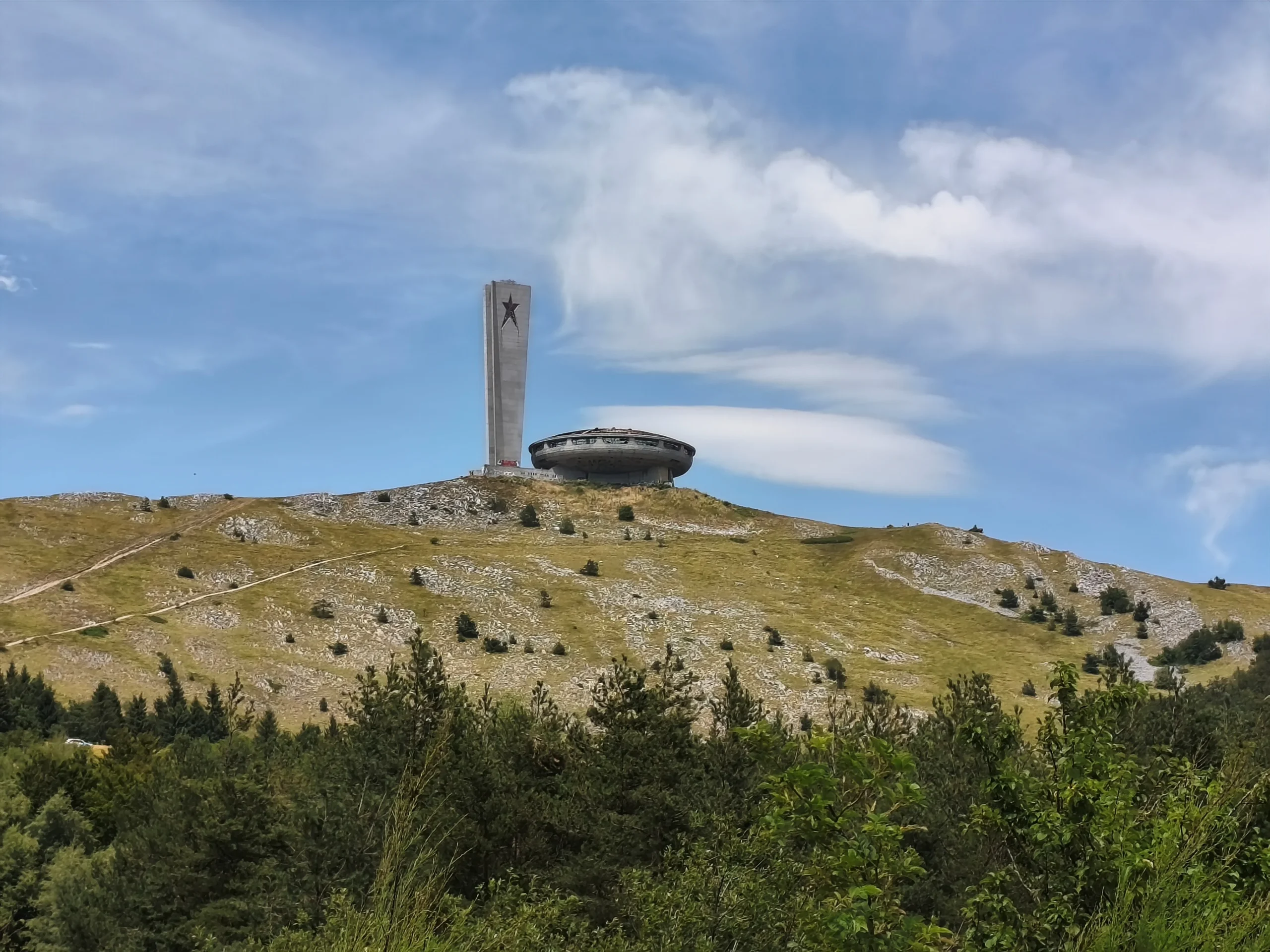
Buzludzha Monument is one of Bulgaria’s most unusual landmarks. It stands high in the Balkan Mountains on Buzludzha Peak. As a result, visitors can enjoy spectacular views across the surrounding region.
The monument is famous for its futuristic design and abandoned appearance. Builders created it during the communist period to mark the founding of the Bulgarian socialist movement. Therefore, it remains one of the country’s most recognisable historical sites.
Architect Georgi Stoilov designed the monument. Workers, soldiers, artists, and sculptors helped complete the project. Consequently, the structure became one of the largest building projects of its time.
Architecture of Buzludzha Monument:
The monument opened in 1981. Its circular concrete shape and tall tower create a striking appearance. As a result, many people compare it to a flying saucer.
Today, Buzludzha is one of the world’s best-known examples of socialist-era architecture. Moreover, photographers and architecture enthusiasts travel from around the world to see it.
Interior of Buzludzha Monument:
The interior once featured huge mosaics, political symbols, and historical scenes. In addition, artists created detailed works celebrating important figures from Bulgaria’s communist period.
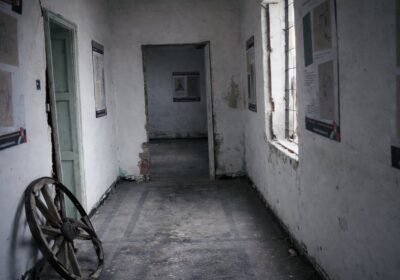
Although time has damaged much of the interior, many mosaics remain visible. Consequently, visitors continue to admire the artistic details.
The monument attracts photographers, historians, and urban explorers. Furthermore, its unusual appearance makes it one of Bulgaria’s most photographed landmarks.
Buzludzha Monument and the Landscape:
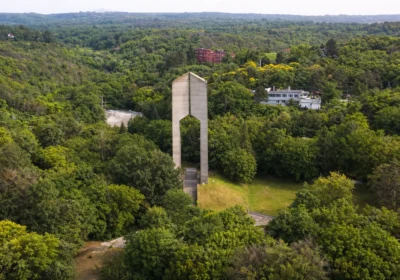
Buzludzha stands more than 1,400 metres above sea level. Therefore, it offers impressive views across the Balkan Mountains and the Rose Valley.
The surrounding scenery adds to the monument’s dramatic atmosphere. Moreover, sunrise, sunset, and winter snowfall create especially memorable views.
Although the building no longer serves its original purpose, it remains an important cultural landmark. At the same time, it reflects an important period in Bulgaria’s history.
Historical Importance:
Buzludzha Monument honours events connected with the Bulgarian socialist movement. In 1891, Dimitar Blagoev and his supporters held an important meeting in the area. As a result, the movement later developed into the Bulgarian Communist Party.
During the communist period, party leaders used the monument for ceremonies, celebrations, and political events. Consequently, the site became an important symbol of state power.
After the fall of communism in 1989, authorities abandoned the monument. Over time, harsh weather and vandalism caused serious damage.
Nevertheless, Buzludzha remains one of the largest surviving communist-era monuments in eastern Europe. Furthermore, researchers continue to study its architecture and symbolism.
Today, the monument represents an important chapter in Bulgaria’s modern history. Moreover, it attracts visitors interested in architecture, photography, and political history.
What to See:
- Futuristic Concrete Architecture
- Monument Tower
- Interior Communist-Era Mosaics
- Panoramic Balkan Mountain Views
- Abandoned Monument Interior
- Historical Socialist Artwork
- Buzludzha Peak
- Scenic Mountain Roads
Best Time to Visit:
Late spring, summer, and early autumn are the best times to visit Buzludzha Monument. During these seasons, mountain roads are usually easier to access.
In addition, clear weather often provides excellent visibility across the Balkan Mountains. Furthermore, longer daylight hours give visitors more time to explore the area and enjoy photography.
Autumn is especially attractive because of the colourful mountain scenery. As a result, many photographers and nature lovers choose this season for their visit.
What to Visit Nearby:
- Kazanlak
- Shipka Monument
- Shipka Memorial Church
- Rose Valley
- Thracian Tomb of Kazanlak
- Etar Ethnographic Village
- Gabrovo
Quick Travel Information:
Buzludzha Monument stands on Buzludzha Peak in central Bulgaria. Visitors can reach the site by car using mountain roads from Kazanlak or Shipka Pass.
However, access to the monument’s interior may be restricted because of safety and preservation work. Nevertheless, the exterior and surrounding viewpoints remain popular with visitors.
In addition, the area offers impressive views across the Balkan Mountains. Therefore, many travellers visit for photography and sightseeing.
Visitors should wear suitable footwear and prepare for changing mountain weather conditions. As a result, carrying a light jacket is a good idea throughout the year.
Useful Links:
Related Tours including Buzludzha Monument:
Half-Day Private Tour to Buzludzha and Shipka – Lunch Included
Want to see this place?
We would love to help you explore Bulgaria! Whether you're travelling with friends, family, or colleagues, we offer both group tours and tailor-made trips designed around your interests. Let us create the perfect Bulgarian experience for you.