Shumen – Bulgaria’s Historic City of Fortresses and Kings
Location: Shumen, Shumen Province, Northeastern Bulgaria
Type: Historic City / Cultural Heritage / Medieval Bulgaria
Main Facts:
Shumen is one of the most important historic cities in northeastern Bulgaria. Set beside the Shumen Plateau, the city combines ancient ruins, medieval history, Ottoman heritage, and modern Bulgarian culture. Furthermore, its location makes Shumen a useful stop for visitors travelling through northeastern Bulgaria.
People have lived in the area for thousands of years. Over time, Thracians, Romans, Byzantines, and Bulgarians all left their mark. As a result, the region has a rich mix of archaeological sites and historic buildings.
Shumen became especially important during the First and Second Bulgarian Empires. The city also stands close to Pliska and Preslav, the first two capitals of medieval Bulgaria. Consequently, Shumen played an important role in the political and cultural development of the country.
A City Surrounded by History
The Shumen Fortress is one of the city’s main attractions. Built on a high part of the Shumen Plateau, the fortress has a history stretching back thousands of years. Furthermore, its elevated position offers wide views across the surrounding landscape.
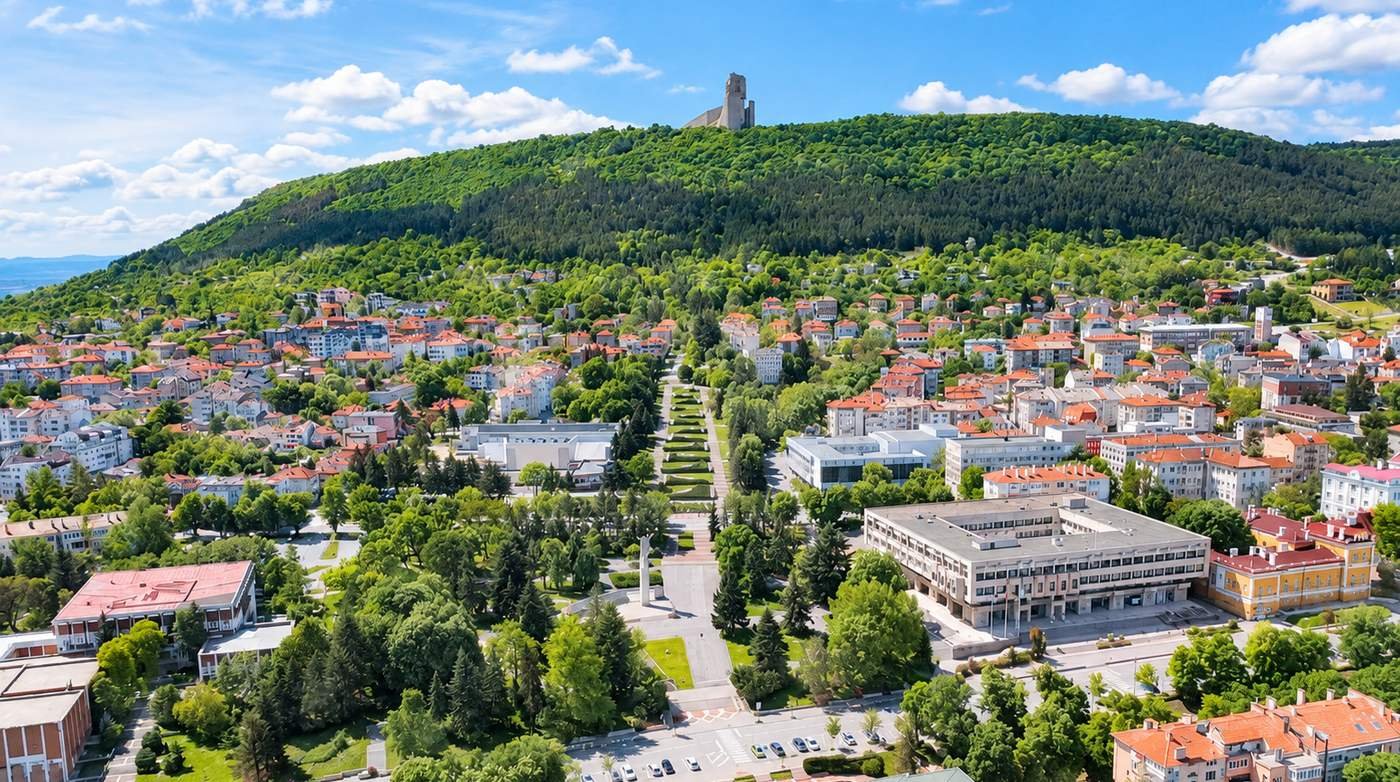
Another major landmark is the Memorial Complex “Founders of the Bulgarian State”. The monument was built to mark the 1,300th anniversary of Bulgaria. Inside, visitors can see huge stone and concrete figures, inscriptions, and mosaics telling the story of the early Bulgarian rulers.
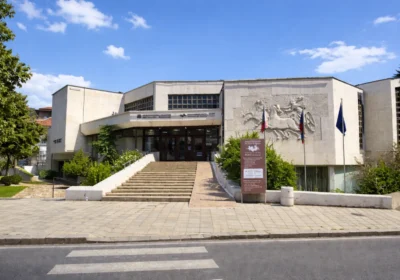
Shumen also has an important Ottoman heritage. For example, Tombul Mosque is the largest mosque in Bulgaria and one of the country’s most impressive Ottoman monuments. In addition, the Regional Historical Museum presents archaeological finds, historical objects, and artefacts from the surrounding area.
The Shumen Plateau adds a natural side to the visit. Meanwhile, its forests, rock formations, caves, and walking routes offer a pleasant contrast to the city’s historic attractions. Therefore, Shumen works especially well for visitors who want a mix of history, culture, and nature.
Historical Importance:
Shumen has played an important role in Bulgarian history for many centuries. More importantly, its location placed it close to the heart of the First Bulgarian Empire.
The nearby capitals of Pliska and Preslav turned this part of Bulgaria into an important political and cultural centre. At the same time, the Shumen Fortress helped protect important routes through the region. Consequently, Shumen remained strategically important during different periods of Bulgarian history.
During the Ottoman period, the city developed into an important regional centre. Furthermore, several mosques, churches, schools, and other buildings reflected the changing character of Shumen.
The city also became an important centre during the Bulgarian National Revival. As a result, education, culture, and new ideas spread rapidly through the region. Later, Shumen played a role in the development of modern Bulgaria.
Today, the city brings together these different periods in one destination. Therefore, Shumen is an excellent choice for travellers who want to understand the long history of northeastern Bulgaria.
What to See:
- Shumen Fortress
- Memorial Complex “Founders of the Bulgarian State”
- Tombul Mosque
- Regional Historical Museum – Shumen
- Shumen Plateau Nature Park
- Biserna Cave
- Rock Monasteries of Shumen Plateau
Best Time to Visit:
Shumen can be visited throughout the year. However, spring and autumn are especially pleasant for exploring the city and the Shumen Plateau.
Furthermore, the cooler weather makes walking around the fortress and nature park much more comfortable. During summer, early morning or late afternoon is better for outdoor attractions. In addition, museums and religious buildings provide excellent alternatives during the hottest part of the day.
Winter is quieter and usually has fewer visitors. Therefore, the best season depends on whether you prefer hiking, archaeology, or cultural sightseeing.
What to Visit Nearby:
- Madara Rider (UNESCO)
- Pliska National Historical and Archaeological Reserve
- Great Basilica of Pliska
- Great Preslav National Historical and Archaeological Reserve
- Park of Space and Aviation – Omurtag
- Targovishte
- Byala Bridge
Quick Travel Information:
Shumen is located in northeastern Bulgaria, approximately 140 kilometres east of Veliko Tarnovo. Furthermore, the journey from Veliko Tarnovo usually takes around two hours by car, depending on the route and traffic.
For visitors travelling from Veliko Tarnovo, Shumen works particularly well as part of a full-day historical tour. In addition, the city can be combined with the Madara Rider, Pliska, or Great Preslav. Consequently, travellers can visit several important sites connected with the First Bulgarian Empire during the same trip.
The city centre is easy to explore on foot. However, some of the main attractions are outside the centre, including the Shumen Fortress and the Memorial Complex. Therefore, travelling by car or joining an organised tour is especially convenient for seeing several places in one day.
Useful Links: