Ostrusha Thracian Tomb – Bulgaria’s Ancient Thracian Burial Complex
Location: Near Kazanlak, Central Bulgaria
Type: Ancient Thracian Tomb / Archaeological Site / Historical Landmark
Main Facts:
Ostrusha Thracian Tomb is one of the most impressive ancient Thracian sites in Bulgaria. The tomb stands near Kazanlak in the famous Valley of the Thracian Kings. As a result, many visitors come here to explore Bulgaria’s rich Thracian heritage.
Archaeologists discovered the tomb in 1993. Historians believe ancient Thracians built the complex during the 4th century BC. Furthermore, the site formed part of a large Thracian necropolis in central Bulgaria.
Architecture of Ostrusha Thracian Tomb:
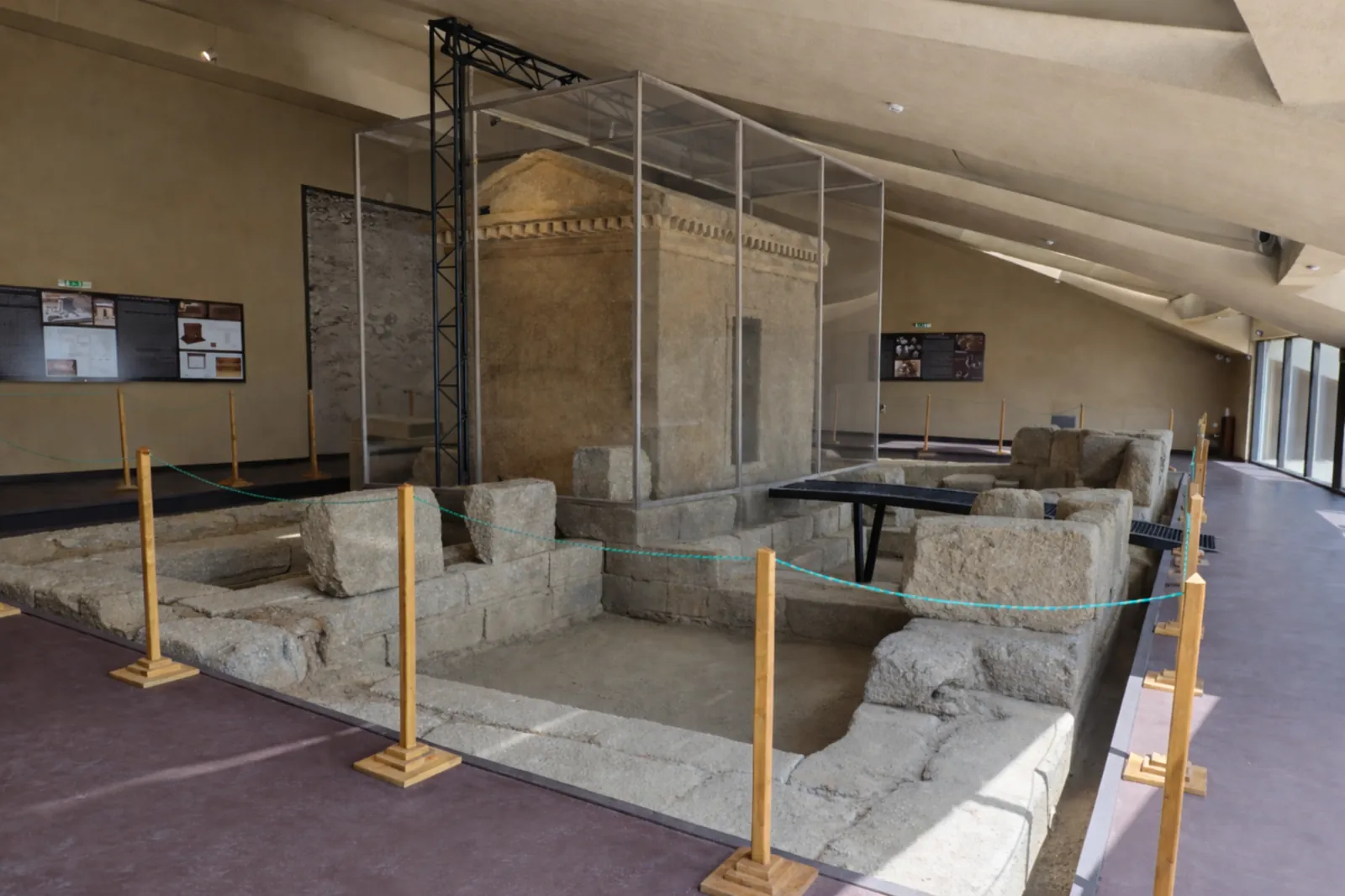
Ostrusha Thracian Tomb is famous for its unusual design and detailed construction. Ancient builders used massive stone blocks and shaped them with remarkable precision.
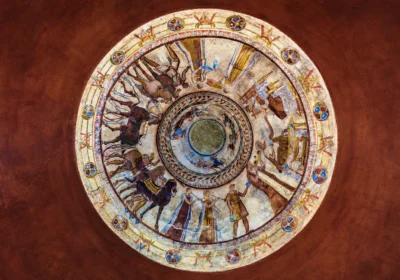
The complex includes several chambers, corridors, and a central burial room. In addition, the ceiling contains carved decorations and painted elements.
The central chamber attracts particular attention because of its huge granite blocks. Some of these blocks weigh several tonnes. Moreover, archaeologists discovered traces of ancient paintings and decorative ornaments inside the tomb.
Experts believe Thracian nobles and rulers used the site for important burial ceremonies. Consequently, the tomb provides valuable information about ancient traditions and beliefs.
The structure also highlights the advanced engineering skills of the Thracians. Therefore, many historians regard it as one of Bulgaria’s most important archaeological discoveries.
Discoveries at Ostrusha Thracian Tomb:
Over the centuries, treasure hunters damaged parts of the tomb. However, archaeologists later uncovered and preserved much of the original structure.
Today, Ostrusha Thracian Tomb remains one of Bulgaria’s most valuable archaeological sites. Furthermore, it forms an important part of the Valley of the Thracian Kings cultural route.
As a result, many visitors combine their trip with nearby Thracian landmarks in central Bulgaria.
Historical Importance:
Ostrusha Thracian Tomb provides important insight into Thracian culture and burial traditions. In addition, it reveals valuable details about architecture, religion, and artistic skills during the Hellenistic period.
The complex also shows strong links between Thracian and Greek cultures. Moreover, its design demonstrates the high level of craftsmanship achieved by ancient builders.
During excavations, archaeologists uncovered valuable information about funeral rituals and social hierarchy. Consequently, the site became an important centre for archaeological research.
Furthermore, the discoveries helped historians better understand life in ancient Thrace. As a result, interest in the region’s history increased significantly.
Today, the tomb remains one of the leading Thracian attractions in central Bulgaria. At the same time, it continues to attract historians, travellers, photographers, and archaeology enthusiasts from around the world.
What to See:
- Ancient Thracian Burial Chambers
- Massive Stone Blocks
- Decorated Chamber Ceiling
- Ancient Wall Paintings
- Thracian Architectural Details
- Archaeological Excavation Areas
- Valley of the Thracian Kings
- Burial Mound Landscape
Best Time to Visit:
The best time to visit Ostrusha Thracian Tomb is during spring and early summer. During these months, central Bulgaria offers pleasant weather and beautiful countryside views. In addition, the conditions are ideal for exploring nearby archaeological landmarks.
What to Visit Nearby:
- Kazanlak
- Thracian Tomb of Kazanlak
- Golyama Kosmatka Tomb
- Shushmanets Thracian Tomb
- Valley of the Thracian Kings
- Shipka Monument
- Rose Valley
- Buzludzha Monument
Quick Travel Information:
Ostrusha Thracian Tomb is located near Kazanlak in central Bulgaria. Visitors can easily reach the site by car or organised archaeological tour. Many tourists also explore several nearby Thracian tombs during the same trip.
Guided tours and historical information are available throughout the Valley of the Thracian Kings region. Therefore, the area remains one of the top destinations for cultural tourism in Bulgaria.
Useful Links:
Related Tours including Ostrusha Thracian Tomb Near Kazanlak:
Day Tour to the Valley of Roses & Thracian Kings – Lunch Included
Want to see this place?
We would love to help you explore Bulgaria! Whether you're travelling with friends, family, or colleagues, we offer both group tours and tailor-made trips designed around your interests. Let us create the perfect Bulgarian experience for you.