Krushuna Waterfalls – Bulgaria’s Beautiful Turquoise Cascade Paradise
Location: Krushuna Village, Near Lovech, Bulgaria
Type: Natural Landmark / Waterfall Park / Eco-Tourism Destination
Main Facts:
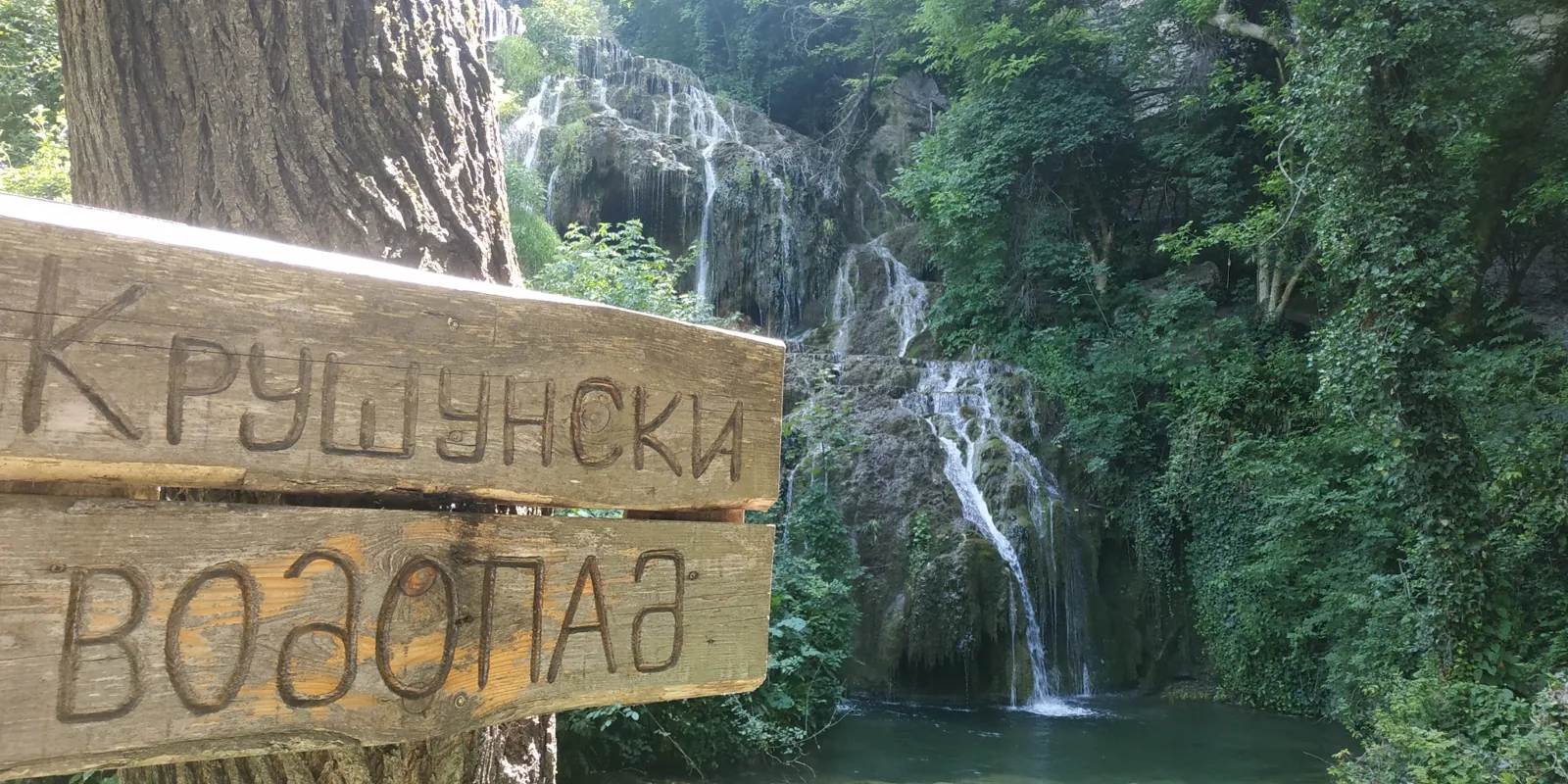
Krushuna Waterfalls are among Bulgaria’s most beautiful natural attractions. They are famous for their turquoise pools, small cascades, and peaceful forest setting. The waterfalls lie near the village of Krushuna in northern Bulgaria. As a result, they attract visitors from across the country.
The Proynovska River creates the waterfalls. Its mineral-rich water forms bright blue-green pools and natural terraces. In addition, the surrounding landscape includes forests, cliffs, caves, and walking paths.
The largest waterfall is about 20 metres high. It splits into several smaller cascades before reaching the pools below. Therefore, visitors can enjoy many viewpoints along the route.
Wooden bridges, stairways, and eco trails make the area easy to explore. Meanwhile, the peaceful atmosphere attracts photographers, hikers, and nature lovers.
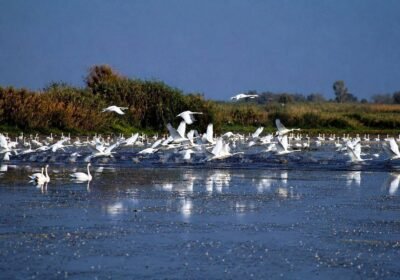
Krushuna Waterfalls are also home to many plants and animals. Furthermore, the moist environment supports mosses, birds, and other wildlife. As a result, the area is important for both tourism and nature protection.
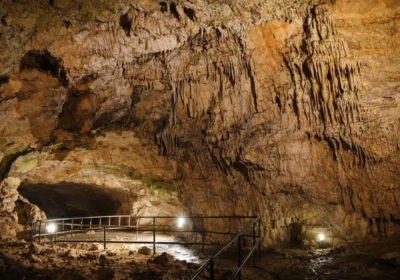
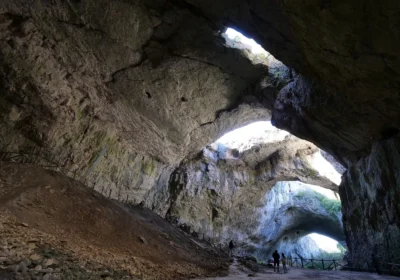
Nearby caves and rock formations add even more interest to the region. In addition, visitors often combine Krushuna Waterfalls with trips to Devetashka Cave and Zlatna Panega Geopark.
Today, Krushuna Waterfalls remain one of Bulgaria’s leading eco-tourism destinations. Moreover, they are especially popular during spring and summer.
Historical Importance:
Krushuna Waterfalls are best known for their natural beauty. However, the surrounding area also has a long history.
People have lived in the region for centuries. The fertile valleys and natural springs supported local communities. Meanwhile, nearby caves provided shelter during difficult times.
The area also has links to medieval monastic life. Remains of old rock monasteries and hermit dwellings still exist in the nearby cliffs. Therefore, the region holds both natural and historical value.
In recent decades, Krushuna Waterfalls became one of Bulgaria’s best-known nature destinations. Consequently, local authorities created eco trails and visitor facilities to protect the area.
Today, the waterfalls continue to attract visitors from Bulgaria and abroad. At the same time, they play an important role in nature conservation and eco-tourism.
What to See:
- Main Krushuna Waterfall
- Turquoise Travertine Pools
- Wooden Eco Trails and Bridges
- Forest Walking Paths
- Limestone Cliffs and Karst Formations
- Scenic Viewing Platforms
- Nearby Cave Formations
- Natural Spring Waters
Best Time to Visit:
The best time to visit Krushuna Waterfalls is during spring, early summer, and autumn when water levels are strongest, temperatures are comfortable, and the surrounding nature is especially colourful.
What to Visit Nearby:
- Devetashka Cave
- Zlatna Panega Geopark
- Lovech
- Krushuna Eco Trail
- Karlukovo Karst Region
- Saeva Dupka Cave
- Troyan Monastery
- Devetaki Plateau
Quick Travel Information:
Krushuna Waterfalls are located near Krushuna Village in northern Bulgaria and can be reached easily by car from Lovech or Sofia. Entry tickets are required for the eco trail area, and visitors should wear comfortable footwear due to wet and uneven walking surfaces near the waterfalls.
Useful Links:
Related Tours including Krushuna Waterfalls:
Day Tour to Krushuna Waterfalls, Devetashka Cave & Lovech – Lunch Included
Want to see this place?
We would love to help you explore Bulgaria! Whether you're travelling with friends, family, or colleagues, we offer both group tours and tailor-made trips designed around your interests. Let us create the perfect Bulgarian experience for you.