Kalofer Bulgaria – Historic Town in the Balkan Mountains
Location: Kalofer, Central Bulgaria
Type: Historical Town / Cultural Destination / Mountain Gateway
Main Facts:
Kalofer is one of the most historic towns in Bulgaria’s Rose Valley region. It is famous for its rich history, traditional culture, mountain scenery, and Orthodox heritage. As a result, the town attracts visitors looking for authentic Bulgarian experiences.
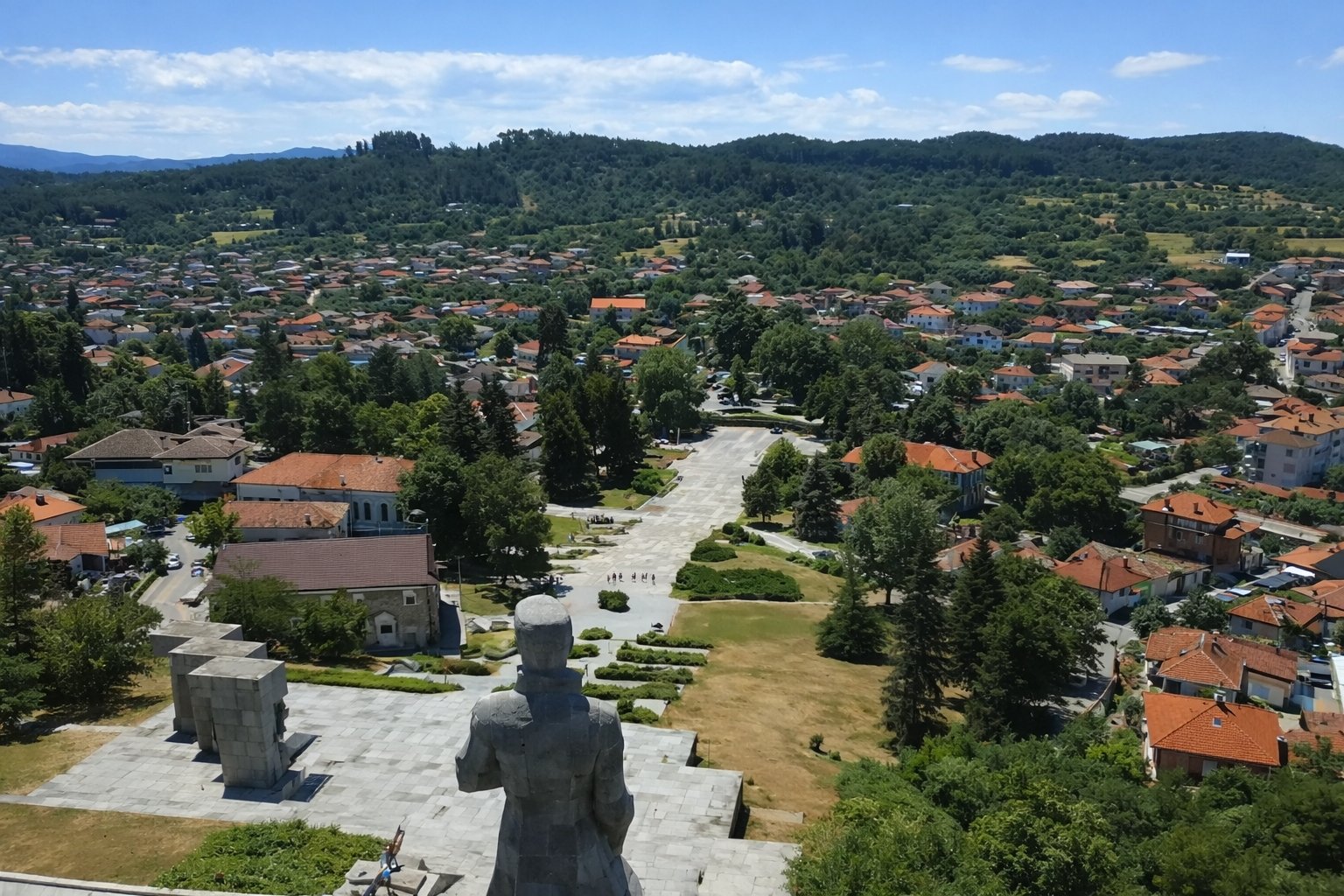
Located at the foot of the Balkan Mountains near Karlovo, Kalofer offers a unique mix of history and nature. Moreover, it serves as an excellent base for exploring central Bulgaria.
Birthplace of Hristo Botev:
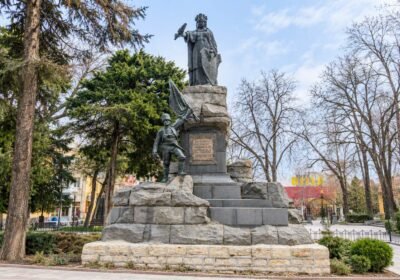
Kalofer is best known as the birthplace of Hristo Botev. He remains one of Bulgaria’s greatest poets and revolutionary heroes.
Today, visitors can explore the Hristo Botev National Museum. In addition, the museum preserves historical artefacts, exhibitions, and the atmosphere of the Bulgarian National Revival period.
Consequently, it has become one of the town’s most important cultural attractions.
Traditions and Local Culture:
The town is also famous for preserving traditional Bulgarian customs and crafts. For example, Kalofer is well known for its handmade lace-making tradition.
Furthermore, local festivals celebrate Bulgarian folklore, music, and cultural identity. As a result, visitors can experience authentic traditions that have survived for generations.
Mountains and Outdoor Activities:
Beautiful mountain landscapes surround Kalofer. Therefore, the town serves as an important gateway to Central Balkan National Park.
Many visitors begin hiking routes from Kalofer. In addition, popular trails lead to mountain huts, waterfalls, scenic viewpoints, and Botev Peak.
Botev Peak is the highest summit in the Balkan Mountains. Consequently, it attracts hikers and nature enthusiasts from across the country.
Rose Valley Connection:
Kalofer is also closely connected to Bulgaria’s famous Rose Valley. During spring and early summer, rose fields bloom throughout the surrounding region.
As a result, photographers and cultural tourists visit the area in large numbers. Moreover, the colourful landscapes create some of the most beautiful scenery in central Bulgaria.
Today, Kalofer combines history, mountain tourism, and cultural heritage. At the same time, it remains one of the most scenic destinations in the Rose Valley.
Historical Importance:
Kalofer played an important role during the Bulgarian National Revival. During Ottoman rule, the town developed into a major cultural and educational centre.
Furthermore, local communities helped preserve Bulgarian traditions, language, and identity. Consequently, Kalofer became an important symbol of national heritage.
The town gained international recognition as the birthplace of Hristo Botev. Later, his revolutionary work and poetry made him one of Bulgaria’s most respected historical figures.
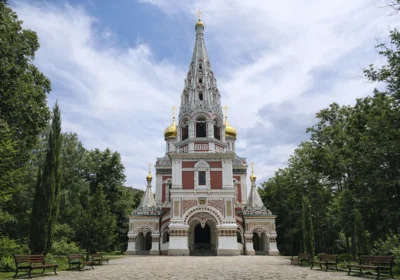
Kalofer also preserved important Orthodox traditions and local craftsmanship. In addition, weaving, lace-making, and folk customs remained part of daily life for centuries.
Because of its location in the Balkan Mountains, the town served as an important point for trade and travel. Therefore, it played a valuable role in regional development.
Today, Kalofer remains an important cultural destination. Moreover, it continues to celebrate its rich history through museums, festivals, and local traditions.
What to See:
- Hristo Botev National Museum
- Kalofer Monastery
- Central Balkan National Park
- Botev Peak Hiking Routes
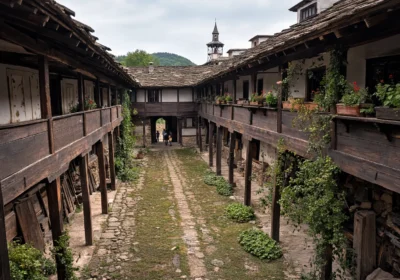
- Traditional Bulgarian Houses
- Mountain River Landscapes
- Local Craft Shops
- Rose Valley Scenery
Best Time to Visit:
The best time to visit Kalofer Bulgaria is during spring, summer, and early autumn when the weather is ideal for hiking, sightseeing, and exploring the Rose Valley region.
What to Visit Nearby:
- Karlovo
- Kazanlak
- Rose Valley – Bulgaria
- Central Balkan National Park
- Shipka Monument Bulgaria
- Buzludzha Monument Bulgaria
- Troyan Monastery Bulgaria
- Sopot – Bulgaria
Quick Travel Information:
Kalofer Bulgaria is located around 75 kilometres north of Plovdiv and can easily be reached by car or bus. The town offers guesthouses, traditional restaurants, museums, and hiking access to the Balkan Mountains throughout the year.
Useful Links:
Related Tours including Kalofer: