Pirin National Park: Bulgaria’s Spectacular UNESCO Mountain Wilderness
Location: Blagoevgrad Province, Southwestern Bulgaria
Type: UNESCO World Heritage Site / National Park / Mountain Nature Reserve
Main Facts:
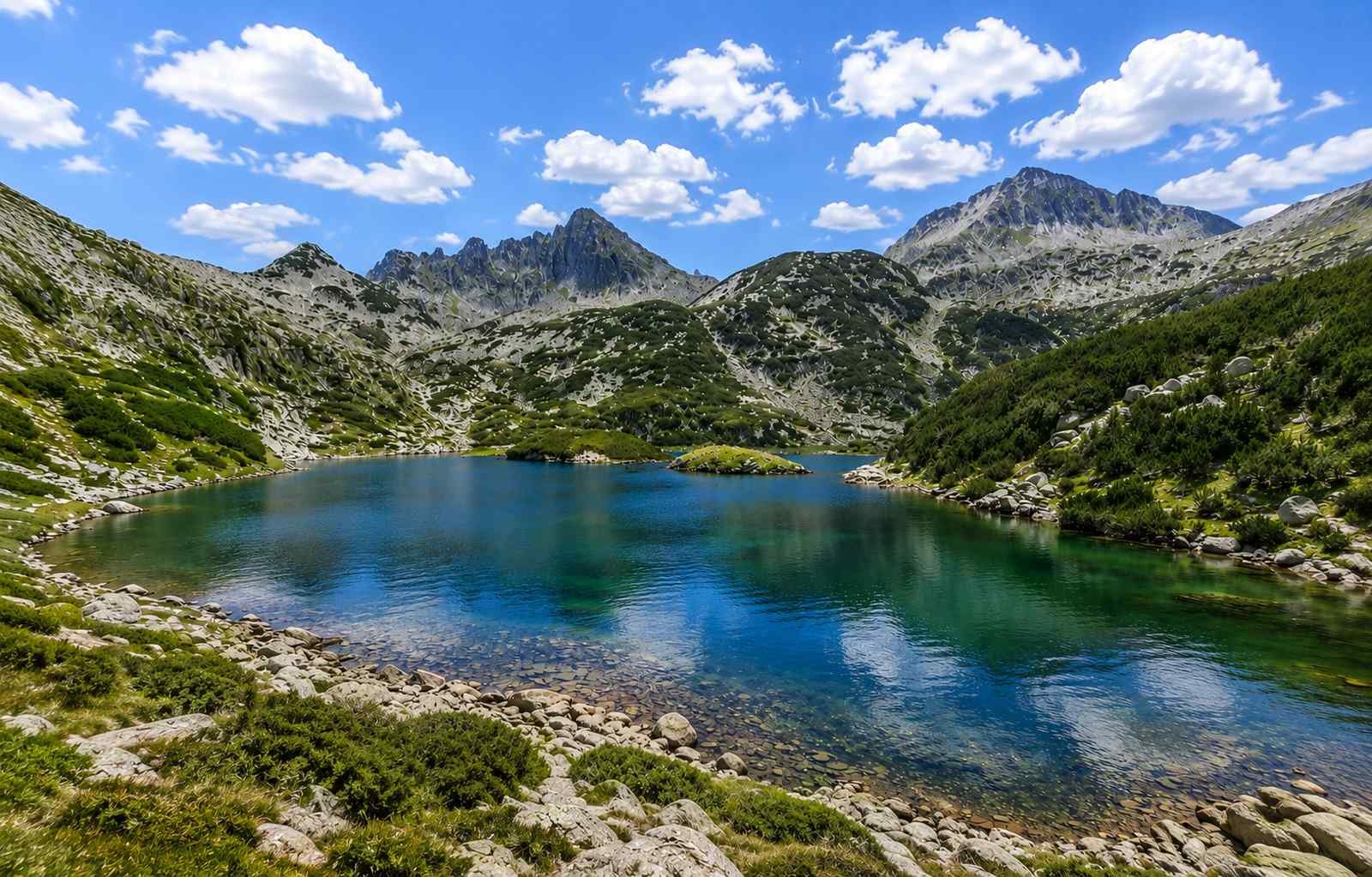
Pirin National Park is one of Bulgaria’s most breathtaking natural attractions and one of the country’s most treasured UNESCO World Heritage Sites. Covering more than 40,000 hectares in the Pirin Mountains, the park is famous for its rugged peaks, crystal-clear glacial lakes, ancient forests, and exceptional biodiversity. Furthermore, it offers some of the finest hiking, wildlife watching, and mountain scenery in Southeast Europe.
Established as a national park in 1962, Pirin protects an extraordinary variety of landscapes and habitats. As a result, visitors can explore alpine meadows, dramatic limestone ridges, dense pine forests, and more than 170 glacial lakes. Moreover, the park is home to over 1,300 plant species, many of which are rare or found nowhere else in the world.
One of the park’s greatest treasures is the famous Baikushev’s Pine, believed to be more than 1,300 years old. In addition, the park shelters brown bears, wolves, chamois, golden eagles, and numerous other protected species. Consequently, Pirin National Park has become one of Bulgaria’s leading destinations for nature lovers and outdoor enthusiasts.
Today, thousands of visitors arrive each year to hike its scenic trails, climb its rugged peaks, and admire its spectacular mountain landscapes. Meanwhile, the nearby town of Bansko provides an excellent base for exploring the park throughout the year. Whether you enjoy hiking, photography, wildlife, or simply relaxing in nature, Pirin National Park offers an unforgettable experience.
Historical Importance:
Pirin National Park protects one of Europe’s finest mountain ecosystems and preserves landscapes that have remained largely unchanged for thousands of years. More importantly, the park safeguards ancient Bosnian pine and Macedonian pine forests, some of the oldest surviving woodlands on the continent.
Furthermore, the park supports an exceptional diversity of wildlife and plant species, making it one of Bulgaria’s most valuable natural reserves. As a result, scientists continue to study its unique ecosystems and rare habitats.
UNESCO recognised the park’s outstanding universal value and added Pirin National Park to the World Heritage List in 1983. Since then, the protected area has become an international symbol of mountain conservation and sustainable tourism. Today, it remains one of Bulgaria’s greatest natural treasures and attracts visitors from around the world.
What to See:
- UNESCO World Heritage Site
- Vihren Peak
- Baikushev’s Pine
- Banderishki Lakes
- Popovo Lake
- Tevno Lake
- Ancient Bosnian Pine Forests
- Alpine Meadows and Glacial Valleys
- Mountain Wildlife
- Scenic Hiking Trails
Best Time to Visit:
Pirin National Park welcomes visitors throughout the year. However, late spring, summer, and early autumn provide the best conditions for hiking and exploring the mountain trails.
Furthermore, these seasons offer pleasant temperatures, colourful alpine flowers, and excellent visibility from the highest peaks. In addition, autumn transforms the forests into spectacular shades of gold and orange, making the scenery especially beautiful. During winter, heavy snowfall creates ideal conditions for skiing in nearby Bansko. Meanwhile, lower hiking routes remain accessible when weather conditions allow. Therefore, every season offers a different way to experience this remarkable UNESCO World Heritage Site.
What to Visit Nearby:
- Bansko
- Vihren Chalet
- Bezbog Hut
- Dobrinishte
- Melnik
- Rozhen Monastery
- Rila Monastery
- Dancing Bears Park, Belitsa
Quick Travel Information:
Pirin National Park is located in southwestern Bulgaria, with Bansko serving as the main gateway to the park. The area is easily accessible by car and public transport from Sofia, Plovdiv, and Blagoevgrad.
Furthermore, marked hiking trails lead to the park’s most popular lakes, peaks, and mountain huts. Therefore, comfortable walking boots, suitable clothing, and sufficient water are recommended before setting out. In addition, weather conditions in the mountains can change quickly, even during summer. Consequently, checking the forecast and planning your route in advance will help ensure a safe and enjoyable visit.
Useful Links: