Plovdiv – Bulgaria’s Ancient Cultural Capital
Location: Plovdiv, Bulgaria
Type: Historical City / Cultural Landmark / Roman Heritage Site
Main Facts:
Plovdiv is Europe’s oldest living city. It is also one of Bulgaria’s most important cultural destinations. The city stands along the Maritsa River in southern Bulgaria. Due to its fertile soil, abundance of water and strategic location, people have lived here for thousands of years.
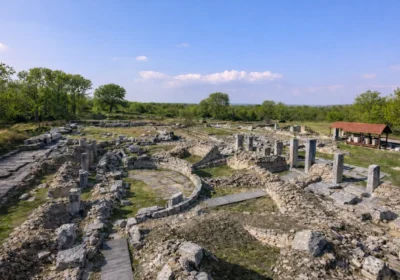
Plovdiv has a history of more than 8,000 years. Many civilisations left their mark on the city. These include the Thracians, Romans, Byzantines, Ottomans, and Bulgarians. Therefore, visitors can explore thousands of years of history in one place.
During Roman times, people knew the city as Philippopolis. It became an important centre for trade, culture, and politics. Today, Plovdiv is famous for its Roman ruins, colourful Old Town, and lively cultural scene.
Roman Plovdiv:
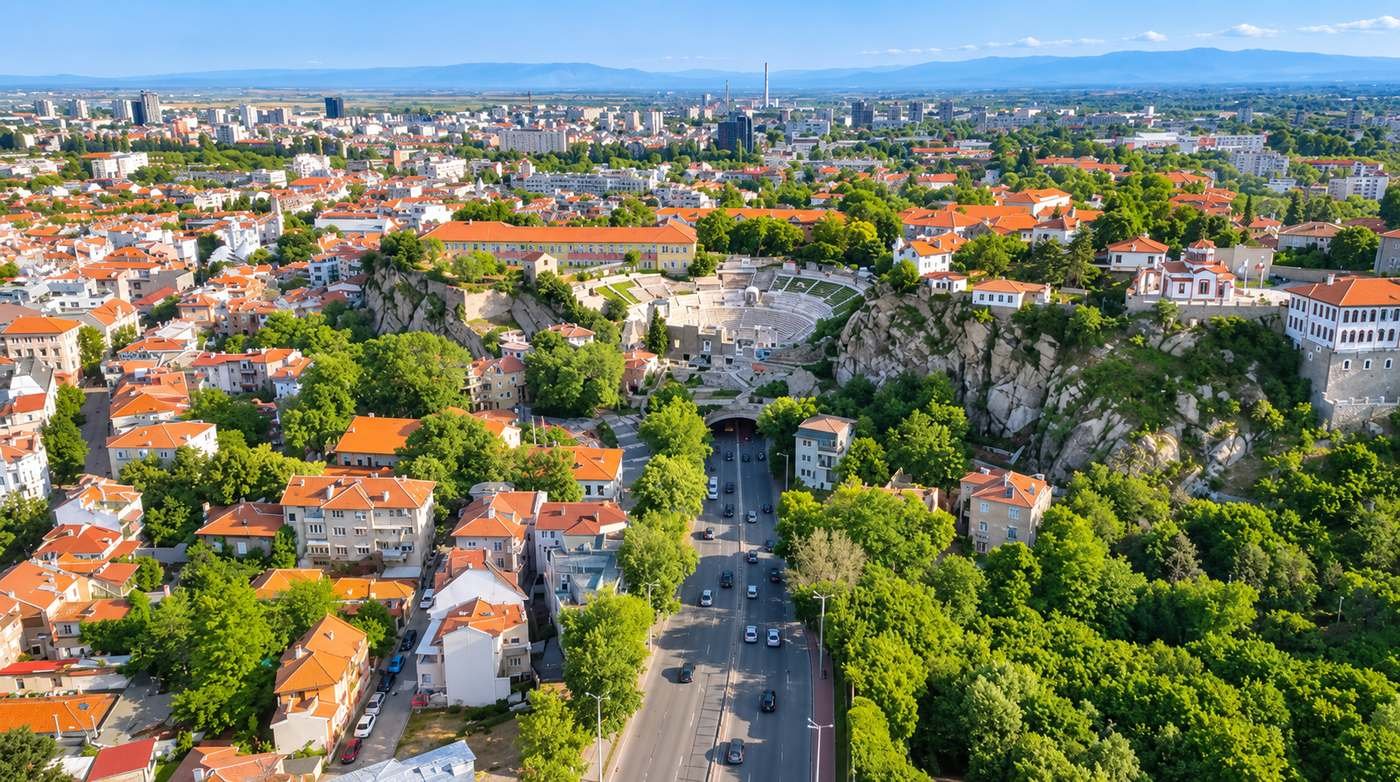
One of the city’s most famous landmarks is the Ancient Theatre of Philippopolis. Roman builders constructed it during the 1st century AD. Moreover, it remains one of the best-preserved ancient theatres in the world.
The theatre once held around 7,000 spectators. Today, it hosts concerts, festivals, and cultural events. As a result, visitors can enjoy both history and entertainment in the same place.
Another important Roman site is the Ancient Stadium of Philippopolis. It stands beneath the modern city centre. Furthermore, visitors can still view parts of the original structure.
Plovdiv Old Town:
The Old Town is famous for its cobbled streets and traditional Revival houses. In addition, visitors can explore churches, museums, galleries, and historic buildings.
Many elegant 19th-century houses now serve as museums and cultural centres. Therefore, visitors can learn more about Bulgaria’s history and architecture.
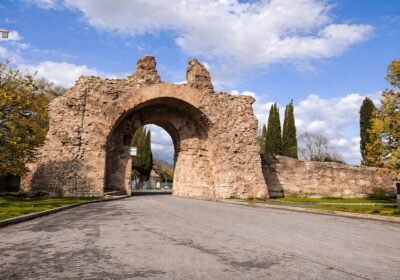
The district also contains medieval gates, fortress walls, and ancient remains. Consequently, many visitors spend time exploring this historic part of the city.
Kapana Creative District:
Modern Plovdiv is also known for its creative atmosphere. The Kapana District is one of the city’s most popular areas. Cafés, galleries, artisan workshops, and colourful street art fill its streets.
Moreover, artists and travellers visit Kapana from around the world. As a result, the district has become a symbol of modern Plovdiv.
In 2019, Europe selected Plovdiv as a European Capital of Culture. Therefore, the city gained even greater international recognition.
Today, Plovdiv attracts historians, photographers, artists, and travellers. At the same time, it offers a unique mix of ancient history and modern culture.
Historical Importance:
Plovdiv has played an important role in southeastern Europe for thousands of years. Originally, it began as a Thracian settlement. Later, Macedonians, Romans, Byzantines, and Ottomans helped shape the city.
During the Roman period, Philippopolis became one of the Balkans’ leading cities. In addition, it became known for its theatres, baths, stadiums, and public buildings.
The city also developed into an important trade centre. Consequently, merchants and travellers passed through the region for centuries.
Throughout the medieval and Ottoman periods, Plovdiv remained a multicultural city. Different ethnic and religious communities lived here side by side.
During the Bulgarian National Revival, wealthy merchants helped transform the city. As a result, builders constructed many of the beautiful houses that still stand in the Old Town today.
Plovdiv also played a role in Bulgaria’s struggle for independence. After liberation in 1878, the city continued to grow as a cultural and economic centre.
Today, visitors know Plovdiv for its preserved Roman monuments and rich heritage. Moreover, it remains one of Bulgaria’s strongest cultural symbols.
What to See:
- Ancient Theatre of Philippopolis
- Ancient Roman Stadium
- Roman Forum of Philippopolis
- Bishop’s Basilica of Philippopolis
- Small Basilica of Philippopolis
- Plovdiv Old Town
- Kapana Creative District
- Hisar Kapia Medieval Gate
- Regional Ethnographic Museum – Plovdiv
- Regional Archaeological Museum – Plovdiv
- Nebet Tepe Ancient Settlement
- Tsar Simeon’s Garden
- Dzhumaya Mosque
- Balabanov House
- Church of Saints Constantine and Helena
Best Time to Visit:
The best time to visit Plovdiv is during spring and autumn when temperatures are mild and comfortable for exploring the city’s outdoor historical sites and walking streets. Summer is also popular due to festivals and open-air performances at the Ancient Theatre.
What to Visit Nearby:
- Bachkovo Monastery
- Asen’s Fortress
- Rhodope Mountains
- Pamporovo
- Perperikon Ancient Sanctuary
- Sofia – Bulgaria
Quick Travel Information:
Plovdiv is located approximately 150 kilometres southeast of Sofia and around 210 kilometres south of Veliko Tarnovo. Furthermore, the city can easily be reached by car, bus, or train from both destinations. The city centre is highly walkable, especially the Old Town and the pedestrian shopping streets. In addition, most historical attractions are located within a short walking distance of one another, making Plovdiv ideal for day trips or weekend breaks. Guided tours, museums, restaurants, cafés, and accommodation options are widely available throughout the city. Consequently, Plovdiv serves as an excellent base for exploring southern Bulgaria and the nearby Rhodope Mountains.
Useful Links:
Related Tours including Plovdiv: