Chepelare, Bulgaria – The Rhodope Mountain Town
Location: Chepelare, Smolyan Province, Bulgaria
Type: Mountain Town / Ski Resort / Rhodope Heritage
Main Facts:
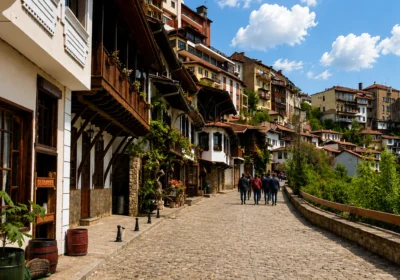
Chepelare is a picturesque mountain town in the central Rhodopes, surrounded by dense coniferous forests and high mountain peaks.
At an altitude of around 1,230 metres, it is one of the highest towns in Bulgaria. The town is known for its long tradition of skiing, mountain tourism and craftsmanship.
Chepelare is also closely connected with Bulgarian winter sports. It is the hometown of Olympic biathlon champion Ekaterina Dafovska and snowboarder Radoslav Yankov.
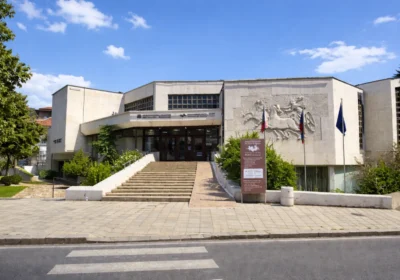
The town has two particularly interesting museums: the Ski and Sports Museum and the Museum of Rhodope Karst. Together, they reveal Chepelare’s sporting achievements and the geological heritage of the surrounding mountains.
Its location is another major advantage. Pamporovo is only around 10 km away, while the Wonderful Bridges, Shiroka Laka and several other Rhodope attractions are within easy reach.
History of Chepelare:
The area around Chepelare has been inhabited since ancient times. Archaeological discoveries include prehistoric objects, burial sites and other evidence of early settlement.
A Slavic settlement was established in the region during the 5th–6th centuries. It continued to exist for several centuries before being destroyed during the Ottoman conquest.
The modern town developed at the beginning of the 18th century. Over time, Chepelare became an important economic, educational and cultural centre in the Middle Rhodopes.
After the Liberation of Bulgaria in 1878, the town continued to grow. Tourism and winter sports later became increasingly important to the local economy.
Chepelare and Winter Sports:
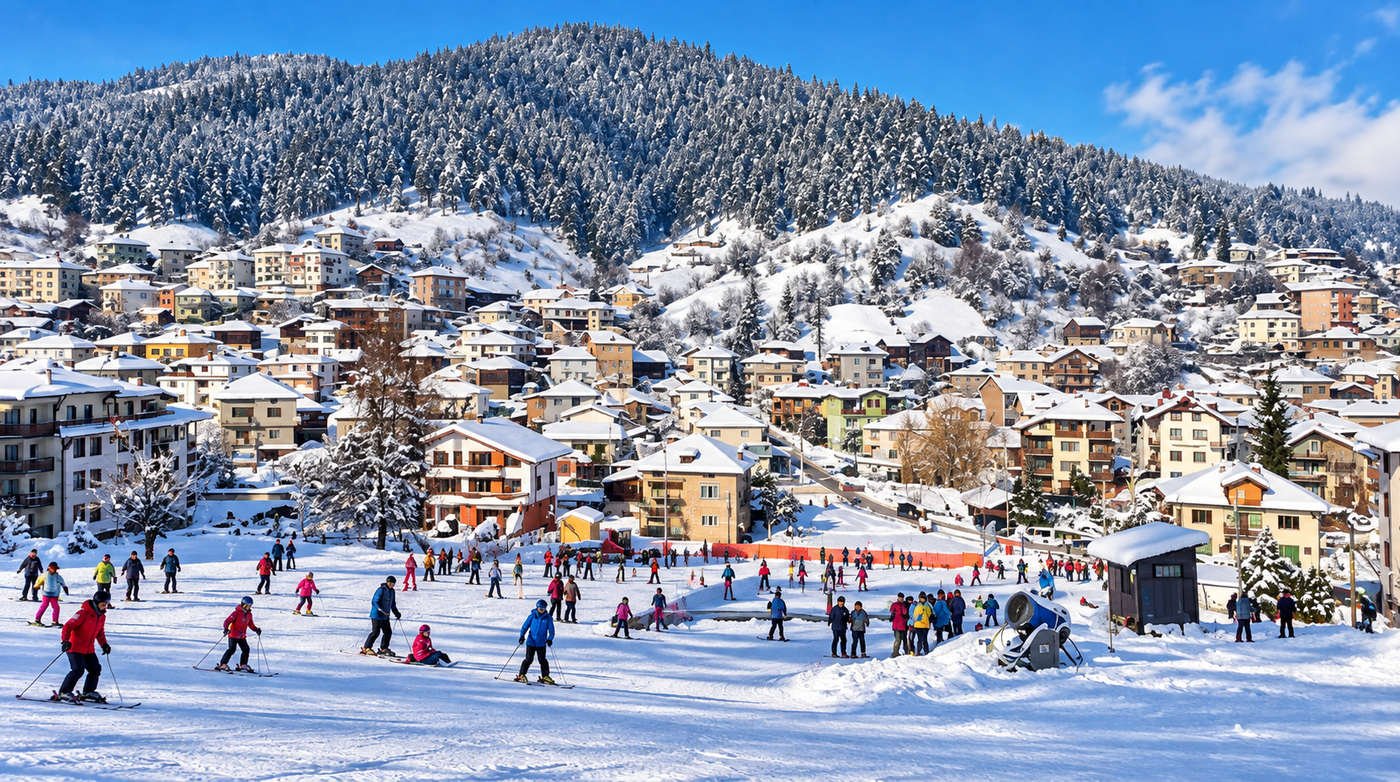
Chepelare has one of the longest skiing traditions in Bulgaria.
The local ski area is centred around Mechi Chal, just outside the town on the road towards Pamporovo. The slopes offer different levels of difficulty, making the area suitable for both beginners and more experienced skiers and snowboarders.
The wider region also benefits from its connection with Pamporovo. As a result, visitors can use Chepelare as a quieter base while still having access to the larger resort area.
The town’s connection with winter sports goes beyond tourism. Local athletes have achieved major international success, giving Chepelare a special place in Bulgarian sporting history.
Olympic and Sporting Heritage:
Chepelare is often described as Bulgaria’s Winter Olympic Capital because of its connection with successful Bulgarian winter athletes.
Ekaterina Dafovska won Bulgaria’s first and, so far, only Olympic gold medal in a winter sport at the 1998 Winter Olympics in Nagano.
Snowboarder Radoslav Yankov also comes from Chepelare and has represented Bulgaria at the highest international level.
Their achievements are presented in the town’s Ski and Sports Museum, alongside a much wider collection documenting the history of skiing in Chepelare.
Ski and Sports Museum:
The Ski and Sports Museum is one of the town’s most distinctive attractions.
Its collection contains nearly 1,000 objects, including skis, medals, trophies, flags, boots and equipment from different periods of Bulgarian skiing.
Visitors can see early handmade skis alongside modern sporting equipment. There are also displays dedicated to Ekaterina Dafovska, Radoslav Yankov and other Bulgarian athletes.
The museum provides a useful introduction to the sporting identity that has shaped Chepelare for generations.
Museum of Rhodope Karst:
The Museum of Rhodope Karst is another unusual attraction in Chepelare.
Its collection focuses on the geology, caves and underground world of the Rhodopes. Visitors can see minerals, crystals and fossil remains, including a reconstructed cave bear skeleton.
The museum also explains the karst landscape that created many of the region’s famous caves and rock formations.
For travellers planning to explore the Rhodopes, this is a useful stop before visiting places such as Yagodina Cave, Devil’s Throat and the Wonderful Bridges.
St Athanasius the Great Church:
The Church of St Athanasius the Great is one of Chepelare’s historic landmarks.
The church was built in 1834, reportedly in just 40 days, and reflects the religious life of the town during the Bulgarian Revival.
Its simple architecture fits naturally into the mountain surroundings and provides another link with Chepelare’s history before Liberation.
Olympic Square and Town Centre:
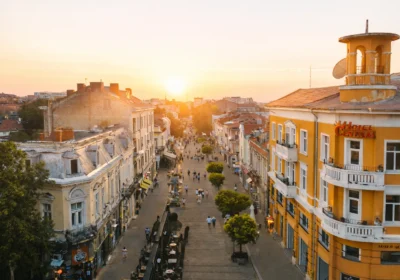
Olympic Square is one of the central meeting places in Chepelare.
The area reflects the town’s modern identity and its pride in winter sports. From the centre, visitors can easily reach shops, cafés, restaurants and several of the town’s cultural attractions.
Walking around the centre also gives you a chance to experience Chepelare as a living mountain town rather than only as a ski destination.
Summer in Chepelare:
Chepelare is not only a winter destination.
During spring, summer and autumn, the surrounding mountains become attractive for hiking, mountain biking and scenic walks.
Marked trails lead from the town towards Mechi Chal, Rozhen and other mountain areas. The nearby Pamporovo lifts can also provide access to higher parts of the Rhodopes during the summer season.
The cooler mountain climate makes Chepelare an appealing place to escape the heat of the lowlands.
The Wonderful Bridges:
The Wonderful Bridges are among the most impressive natural landmarks near Chepelare.
These enormous natural rock arches were formed in the limestone landscape of the Rhodopes and rise dramatically above the surrounding forest.
The site is particularly beautiful during summer and autumn, while the surrounding trails provide opportunities for walking and photography.
The Wonderful Bridges can be combined with Chepelare during a day of exploring the western and central Rhodopes.
What to See:
• Ski and Sports Museum
• Museum of Rhodope Karst
• Church of St Athanasius the Great
• Olympic Square
• Mechi Chal ski area
• Chepelare town centre
• Rhodope mountain trails
• The Wonderful Bridges
• Traditional Rhodope villages and countryside
Best Time to Visit:
Winter is the best season for skiing and snowboarding, particularly from December to March, depending on snow conditions.
Spring and autumn are quieter and particularly pleasant for sightseeing and walking.
Summer is ideal for hiking, mountain biking and exploring the surrounding villages and natural landmarks.
Because mountain weather can change quickly, bring suitable clothing and check local conditions before setting out on longer trails.
What to Visit Nearby:
• Pamporovo
• Wonderful Bridges
• Shiroka Laka Architectural Reserve
• Smolyan
• Smolyan Lakes
• Rozhen Observatory
• Yagodina Cave
• Devil’s Throat Cave
• Trigrad Gorge
• Devin
Quick Travel Information:
Chepelare is around 214 km from Sofia, approximately 2½–3 hours by car, and about 75 km from Plovdiv, around 1½ hours by car.
The town is approximately 250 km from Veliko Tarnovo, so it is better suited to an overnight or weekend trip than a typical day trip from Veliko Tarnovo.
Chepelare itself is compact and easy to explore on foot. Allow around 2–3 hours for the town, including the Ski and Sports Museum, Museum of Rhodope Karst and main sights.
The ski area at Mechi Chal is just outside the town, while Pamporovo is around 10 km away. This makes it practical to combine Chepelare with a wider Rhodope itinerary.
Useful Links:
• Google Maps – Chepelare
• Official Website – Visit Chepelare
• Weather Forecast – Chepelare