Roman Stadium of Philippopolis – Plovdiv, Bulgaria
Location: Plovdiv, Plovdiv Province, Southern Bulgaria
Type: Roman Stadium / Archaeological Site / Roman Heritage
Main Facts:
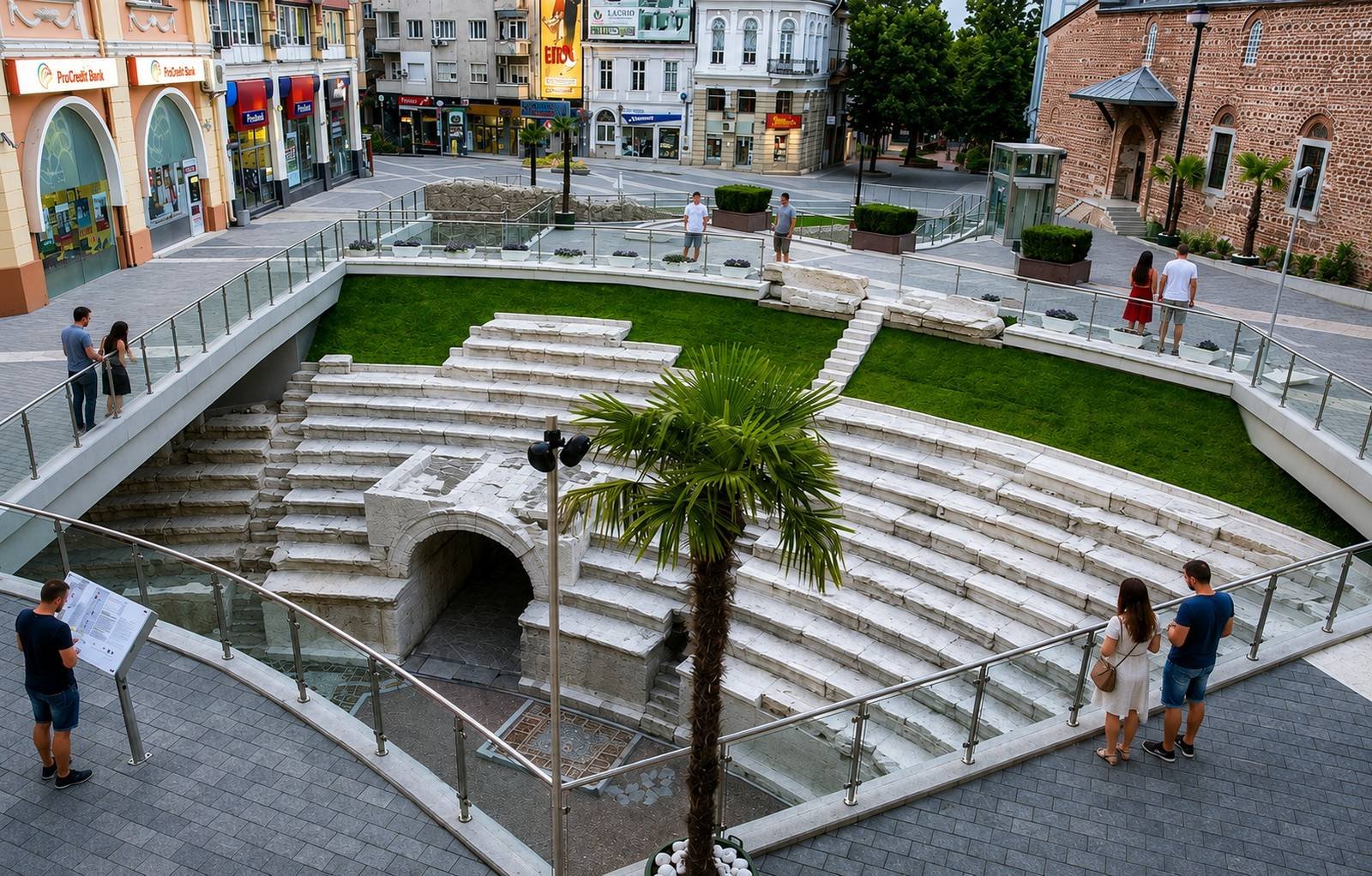
The Roman Stadium of Philippopolis is one of Bulgaria’s most remarkable archaeological landmarks and one of the best-preserved Roman stadiums in the Balkans. Located beneath Plovdiv’s lively Main Street, this impressive monument reflects the city’s importance during the Roman Empire. Furthermore, its central location allows visitors to combine ancient history with a stroll through modern Plovdiv.
Built during the second century AD, most likely under Emperor Adrian, the stadium could accommodate around 30,000 spectators. As a result, it became one of the largest public venues in ancient Philippopolis, hosting athletic competitions, celebrations, and public events. Moreover, the stadium followed the design of the famous Stadium of Delphi in Greece, highlighting the strong influence of classical architecture.
Today, visitors can admire the beautifully preserved northern section of the stadium from Dzhumaya Square. In addition, an underground exhibition reveals original seating rows, architectural details, and informative displays that explain the history of the monument. Consequently, the site offers a fascinating glimpse into everyday life during the Roman period.
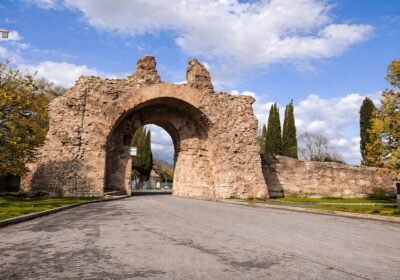
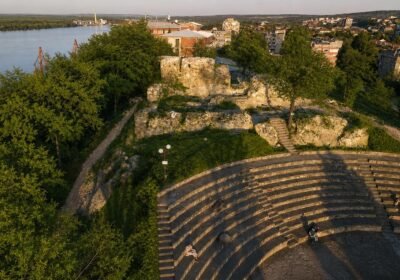
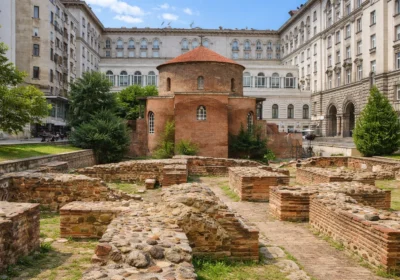
Furthermore, the Roman Stadium forms part of Plovdiv’s outstanding archaeological heritage alongside the Ancient Theatre, Roman Forum, Small Basilica, and Roman Bishop’s Basilica of Philippopolis. Therefore, it is an essential stop for anyone exploring one of Europe’s oldest continuously inhabited cities.
Whether you are interested in Roman history, archaeology, or ancient architecture, the Roman Stadium of Philippopolis provides a memorable journey into Bulgaria’s rich past.
Historical Importance:
The Roman Stadium played a central role in the public life of ancient Philippopolis for several centuries. More importantly, it demonstrates the city’s prosperity and importance as one of the leading urban centres in the Roman province of Thrace.
Furthermore, thousands of spectators gathered here to watch athletic competitions inspired by the ancient Greek games. As a result, the stadium became a symbol of entertainment, civic pride, and Roman culture. In addition, the impressive engineering and architectural design continue to demonstrate the remarkable skills of Roman builders.
Today, the Roman Stadium remains one of Plovdiv’s most iconic landmarks. Meanwhile, ongoing archaeological research continues to reveal new information about the monument and the surrounding ancient city. Consequently, it remains one of Bulgaria’s most visited Roman attractions.
What to See:
- Roman Stadium
- Original Marble Seating
- Northern Curved End of the Stadium
- Underground Exhibition Area
- Interactive Multimedia Displays
- Architectural Fragments
- Dzhumaya Square
- Panoramic Viewing Platform
Best Time to Visit:
The Roman Stadium welcomes visitors throughout the year. However, spring and autumn provide the most comfortable weather for exploring both the archaeological site and Plovdiv’s historic centre.
Furthermore, these seasons are ideal for visiting the city’s other Roman landmarks. In addition, pleasant temperatures make walking through the pedestrian streets especially enjoyable. During summer, the underground exhibition offers a welcome break from the heat. Meanwhile, winter provides a quieter atmosphere with fewer visitors. Therefore, every season offers an excellent opportunity to discover this remarkable Roman monument.
What to Visit Nearby:
- Ancient Theatre of Philippopolis
- Roman Forum of Philippopolis
- Bishop’s Basilica of Philippopolis
- Small Basilica of Philippopolis
- Plovdiv Old Town
- Kapana Creative District
- Hisar Kapia Medieval Gate
- Regional Archaeological Museum – Plovdiv
- Regional Ethnographic Museum – Plovdiv
- Nebet Tepe Ancient Settlement
Quick Travel Information:
The Roman Stadium is located beneath Plovdiv’s Main Street, next to Dzhumaya Square, in the heart of the city. Furthermore, it is within easy walking distance of the Old Town and Plovdiv’s main attractions. In addition, cafés, restaurants, shops, and public parking are all nearby. Consequently, many visitors include the stadium as part of a full day exploring Plovdiv’s remarkable Roman heritage.
Useful Links:
Related Tours including Roman Stadium of Philippopolis – Plovdiv: