Veliko Tarnovo – Bulgaria’s Medieval Capital
Location: Veliko Tarnovo, Bulgaria
Type: Historical City / Medieval Fortress / Cultural Landmark
Main Facts:
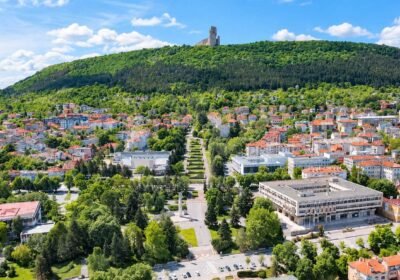
Veliko Tarnovo is one of Bulgaria’s most historic cities. Located along the Yantra River, it stands among steep hills and scenic valleys. As a result, the city offers some of the country’s most beautiful views.
Many Bulgarians consider Veliko Tarnovo the heart of the country’s medieval history. In addition, it served as the capital of the Second Bulgarian Empire for more than 200 years.
During the 12th and 13th centuries, Veliko Tarnovo grew rapidly. Consequently, it became an important political, religious, and cultural centre.
Tsarevets Fortress
Tsarevets Fortress is the city’s best-known landmark. Rising above the Yantra River, it dominates the surrounding landscape. During medieval times, Bulgarian rulers governed the empire from this hill.
Nowadays, visitors can walk along the fortress walls and explore the remains of the royal palace. Furthermore, the Patriarchal Cathedral offers impressive views of the surrounding countryside.
Old Town and Architecture
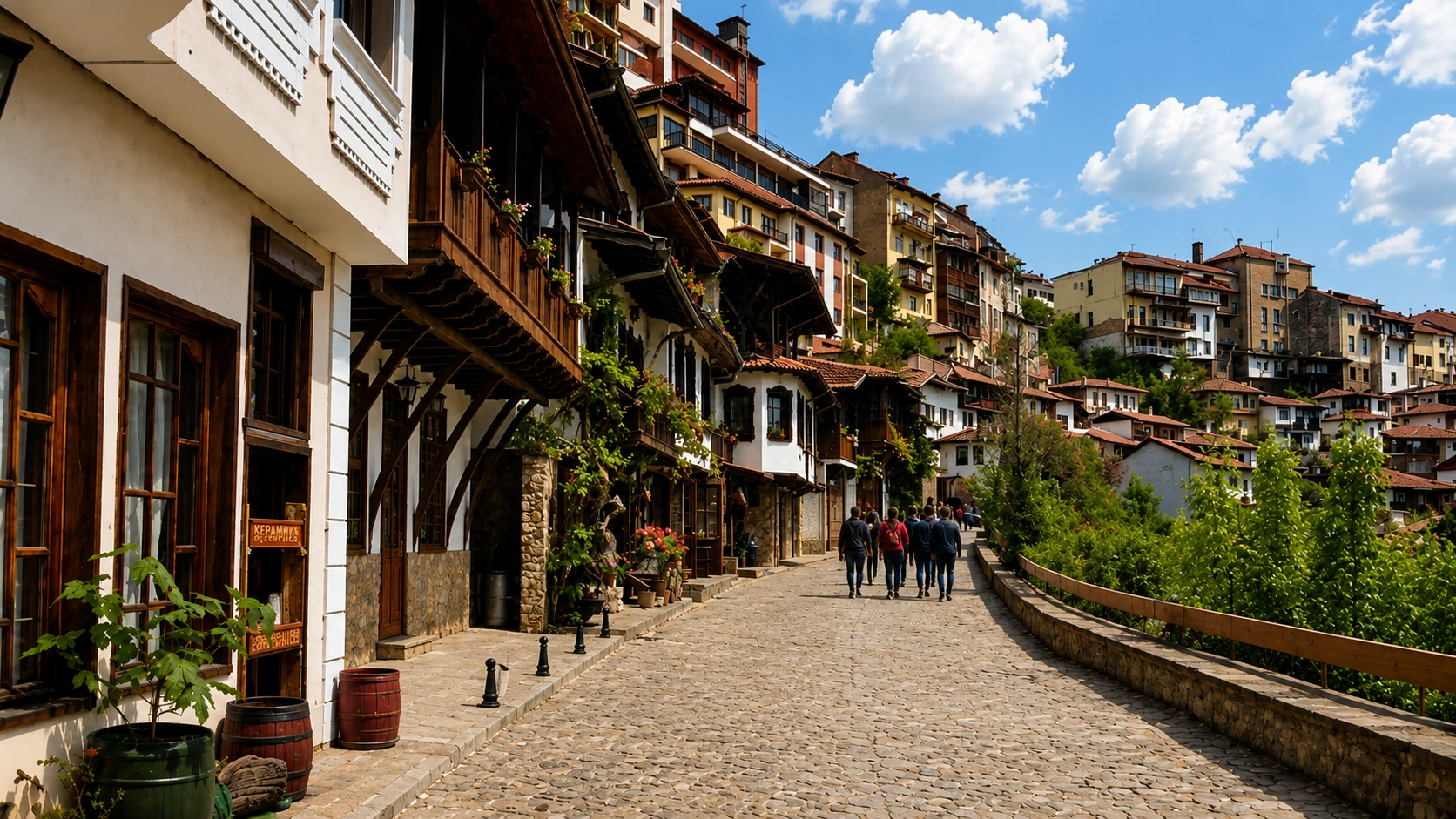
Beyond the fortress, the Old Town reveals another side of Veliko Tarnovo. Traditional Revival houses stand along the hillsides overlooking the river. Meanwhile, narrow cobbled streets connect churches, viewpoints, and historic neighbourhoods.
One of the city’s most popular areas is Samovodska Charshia. Here, visitors can browse artisan workshops, galleries, cafés, and craft shops. As a result, the district remains a favourite stop for tourists.
Culture and Tourism
After sunset, Tsarevets Fortress hosts the famous Sound and Light Show. The event combines music, lasers, lights, and church bells. This way visitors can experience Bulgaria’s medieval history in a memorable way.
In addition, cultural events take place throughout the year. Consequently, Veliko Tarnovo attracts travellers interested in history, architecture, and local traditions.
Historical Importance:
As the capital of the Second Bulgarian Empire, the city played a central role in Bulgarian history. In 1185, brothers Asen and Peter led an uprising against Byzantine rule. Following the uprising, the city became the capital of the restored Bulgarian state.
During the Second Bulgarian Empire, Veliko Tarnovo grew into one of the strongest cities in the Balkans. Moreover, rulers, noble families, church leaders, and craftsmen lived here. Consequently, the city became an important political and cultural centre.
Natural features helped protect the city. Hills surrounded the settlement, while the Yantra River created an additional barrier. Therefore, Veliko Tarnovo developed into one of the region’s strongest medieval strongholds.
Centre of Culture and Religion
Besides its political importance, Veliko Tarnovo became a major cultural centre. In addition, literature, religion, education, and art flourished within the city.
Many churches, monasteries, and schools operated in the area. Consequently, they helped preserve Bulgarian culture and Orthodox traditions.
Furthermore, local artists and scholars influenced medieval Bulgarian culture. As a result, the city gained recognition far beyond its borders.
Ottoman Period and National Revival
In 1393, Ottoman forces captured Veliko Tarnovo after a long siege. Nevertheless, the city remained an important spiritual and cultural centre.
Over the following centuries, local communities preserved Bulgarian traditions. Meanwhile, churches and monasteries continued to support religious life.
Later, Veliko Tarnovo played an important role during the Bulgarian National Revival. Moreover, many local leaders supported the struggle for independence.
Today, Veliko Tarnovo symbolises Bulgaria’s medieval heritage. Furthermore, it remains one of the country’s most visited historical destinations. At the same time, museums, festivals, and restoration projects help preserve its rich history.
What to See:
- Tsarevets Fortress
- Patriarchal Cathedral
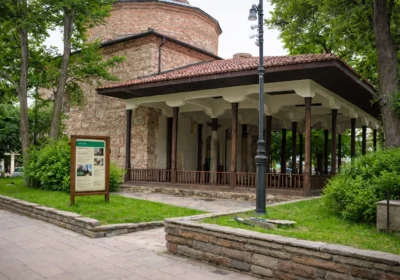
- Holy Forty Martyrs Church
- Samovodska Charshia
- Trapezitsa Fortress
- Gurko Street
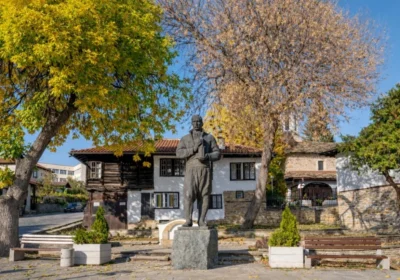
- Monument of the Asen Dynasty
- Monument Mother Bulgaria
- Sound and Light Show
- Museum of the Bulgarian Revival
- Museum “Prison”
- Museum of Wax Figures – Multimedia Visitor Centre Tsarevgrad Tarnov
- Archaeological Museum
- Mini Bulgaria Park
- Traditional Bulgarian Revival Houses
Best Time to Visit:
Spring and autumn are the best times to visit Veliko Tarnovo. During these seasons, temperatures are pleasant and comfortable.
In addition, visitors can explore Tsarevets Fortress, walk through the Old Town, and enjoy the city’s panoramic viewpoints.
Summer is also popular. Meanwhile, autumn offers colourful scenery and fewer crowds. As a result, many travellers prefer these seasons.
What to Visit Nearby:
- Arbanasi – Historic Village Near Veliko Tarnovo
- Dryanovo Monastery
- Preobrazhenski Monastery
- Kilifarevo Monastery
- Patriarchal Monastery of the Holy Trinity
- Etar Ethnographic Village
- Buzludzha Monument
- Shipka Monument
- Gabrovo
- Nicopolis ad Istrum – Ancient Roman City
Quick Travel Information:
Veliko Tarnovo is located approximately 220 kilometres northeast of Sofia and can be reached by car, bus, or train. The city centre and historical areas are best explored on foot due to the steep streets and hillside layout. Accommodation, restaurants, museums, and guided tours are widely available throughout the city.
Useful Links:
Related Tours including Veliko Tarnovo: