Roman Ruins Bulgaria – Ancient Roman Sites to Visit
Location: Across Bulgaria
Type: Historical Landmarks / Archaeological Sites / Ancient Roman Heritage
Main Facts:
Roman ruins in Bulgaria rank among the country’s most impressive historical attractions. Today, visitors can explore ancient theatres, baths, fortresses, stadiums, and cities across the country. As a result, these sites attract history lovers from around the world.
The Romans conquered the territory of modern Bulgaria during the 1st century AD. Afterwards, they built roads, military forts, public baths, and trading centres. Consequently, many modern Bulgarian cities later developed around these settlements.
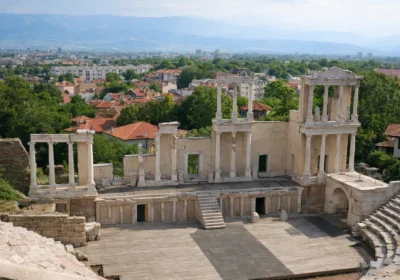
One of the most famous Roman sites is the Ancient Theatre of Philippopolis in Plovdiv. The theatre dates back to the 1st century AD. Moreover, it remains one of the best-preserved Roman theatres in Europe. Today, it still hosts concerts and cultural events.
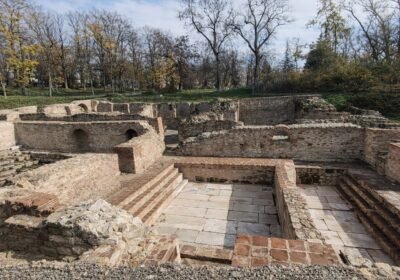
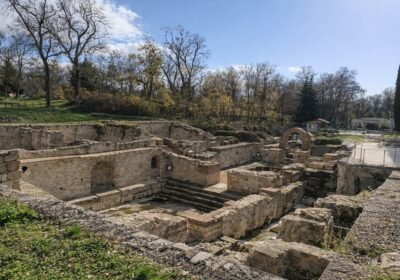
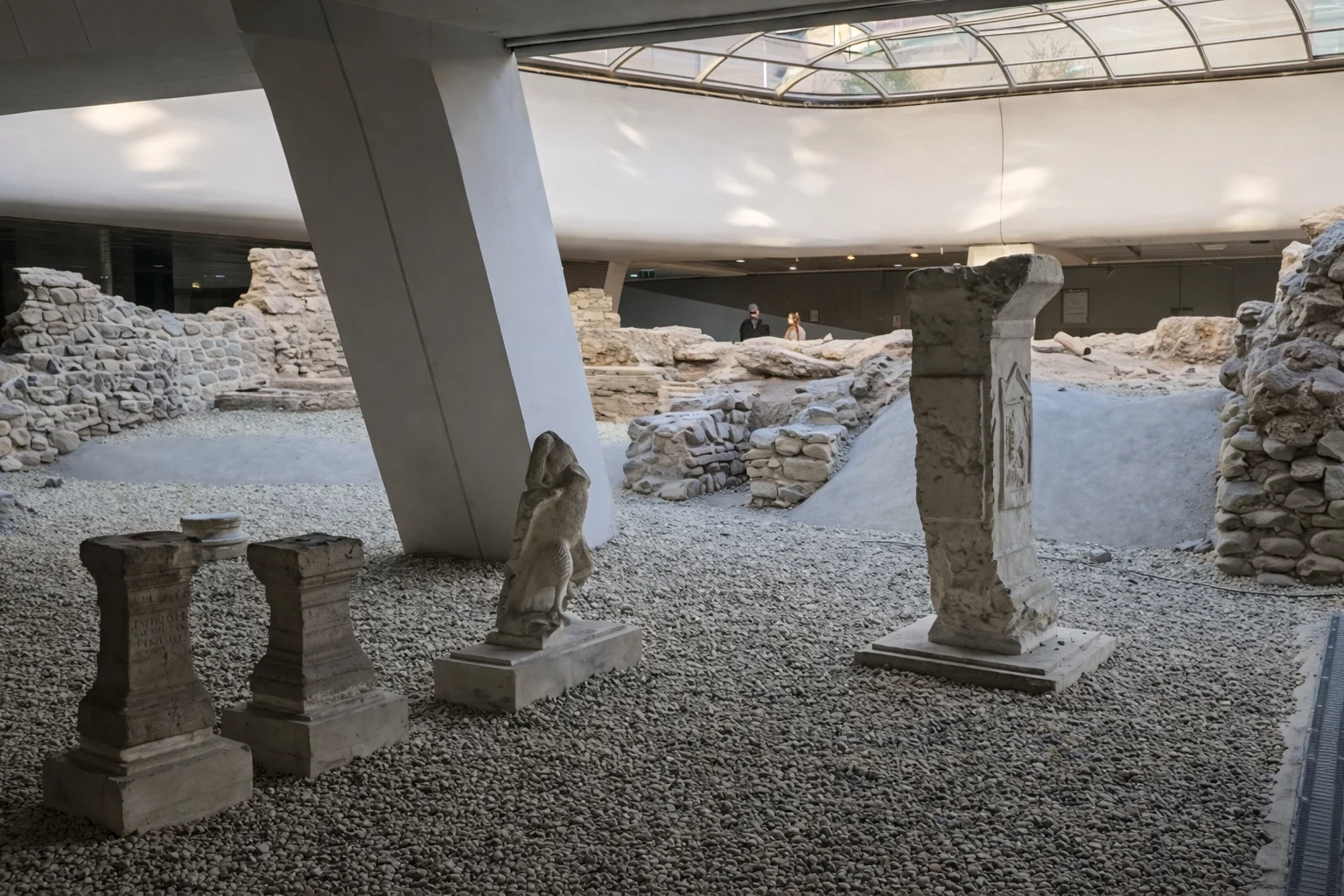
In Sofia, visitors can explore the ancient city of Serdica beneath the modern capital. Here, Roman streets, walls, and buildings remain visible. Meanwhile, Varna is famous for its Roman Baths. In fact, they rank among the largest bath complexes in the Balkans.
Another important site is Nicopolis ad Istrum near Veliko Tarnovo. Visitors can see preserved streets, columns, and public buildings. Furthermore, the Roman fortress of Sexaginta Prista in Ruse highlights the importance of the Danube frontier during Roman rule.
Other notable Roman sites include Ulpia Oescus, Novae Fortress, Roman Villa Armira, and the Roman remains of Hisarya. Therefore, travellers can discover Roman history in many parts of Bulgaria.
Because many sites stand close to major cities, they are easy to visit. As a result, Roman ruins play an important role in cultural tourism across Bulgaria.
Historical Importance:
Roman rule transformed the lands of modern Bulgaria into an important region of the empire. Consequently, the area became a key link between Europe, the Black Sea, and Asia Minor.
The Romans introduced advanced engineering, architecture, and urban planning. In addition, they built roads that connected cities across the Balkans. As a result, many settlements grew into major centres for trade, defence, and culture.
The empire also strengthened military control along the Danube River. Therefore, forts and military camps protected the northern frontier. Meanwhile, Roman roads connected the region with Constantinople and other major cities.
Later, Christianity spread throughout Roman Bulgaria. Because of this, many early Christian basilicas and churches appeared near Roman settlements. Furthermore, some of these structures survive today.
Although wars and invasions damaged many cities over the centuries, archaeologists continue to uncover new discoveries. Consequently, interest in Roman Bulgaria continues to grow.
Today, Roman ruins remain among Bulgaria’s most valuable historical attractions. Moreover, they help preserve the country’s rich cultural heritage for future generations.
What to See:
- Ancient Theatre of Philippopolis (Plovdiv)
- Roman Stadium of Plovdiv
- Bishop’s Basilica of Philippopolis (Plovdiv)
- Ancient Serdica (Sofia)
- Roman Baths of Varna
- Nicopolis ad Istrum
- Sexaginta Prista Fortress (Ruse)
- Deultum Roman Colony
- Ulpia Oescus (Gigen)
- Roman Legionary Fortress of Novae (Svishtov)
- Augusta Traiana Roman Forum (Stara Zagora)
- Hisarya Roman Baths and Walls
- Marcianopolis Archaeological Site (Devnya)
- Roman Villa Armira (Ivaylovgrad)
- Diocletianopolis Archaeological Complex (Hisarya)
- Roman Forum of Philippopolis (Plovdiv)
Best Time to Visit:
The best time to explore Roman ruins in Bulgaria is during spring and autumn. The weather is cooler and more comfortable for walking through outdoor archaeological sites.
Quick Travel Information:
Most Roman ruins in Bulgaria are easy to reach by car, train, or organised tours. Many archaeological sites stand close to city centres and popular tourist destinations. Museums, guided tours, and visitor facilities are available at many locations.
Roman Ruins in Bulgaria Map
Related Tours including Roman Ruins in Bulgaria: